
Texas is set to become a hub of digital infrastructure, with Google announcing plans to invest $40 billion in three new data centers in the state. This development is part of a broader trend, with Texas emerging as a preferred location for data and AI centers, second only to Virginia.
Currently, Texas hosts 375 data centers in cities like Austin, Houston, Dallas, and San Antonio, with another 70 under construction, according to Baxtel, a research and advisory firm. The state’s appeal lies in its affordable energy, vast land, and business-friendly environment.
However, the energy demands of these data centers are significant, potentially straining the existing electrical grid. To address this, Google plans to implement its own energy solutions. The company stated, “Google is committed to responsibly growing its infrastructure by bringing new energy resources onto the grid, paying for costs associated with its operations, and supporting community energy efficiency initiatives.” Their strategy includes a $30 million Energy Impact Fund and over 6,200 megawatts of new energy capacity through agreements with energy developers.
Not all new facilities will be self-sufficient. Some, like the Stargate project near Abilene, will use a combination of self-generated power and grid electricity.
1/2
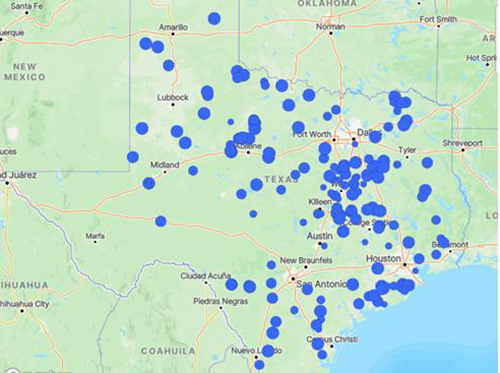
BAXTEL — Data and AI centers are forecast to grow significantly in number across Texas over the next few years.
2/2
CLEANVIEW — Nearly 900 solar energy projects are currently under development in Texas.
In September 2024, the Electric Reliability Council of Texas (ERCOT), which oversees most of the state’s electric grid, was tracking 56 gigawatts in large load interconnection requests. By the following year, this figure had almost quadrupled to 205 gigawatts.
Kristi Hobbs, ERCOT’s vice-president of system planning and weatherization, highlighted the need for adjustments in planning processes to maintain grid reliability due to increased energy demands from data centers, especially those servicing AI. This was discussed at a Public Utility Commission of Texas meeting in October.
The surge in energy demand is a concern for traditional consumers, particularly during summer peaks. The U.S. Energy Information Administration (EIA) reported in July that Texas electricity prices were 24% below the national average, but this could change with the growth of data centers.
Brien Sheahan, former chairman and CEO of the Illinois Commerce Commission, noted that the ERCOT-North hub in Texas could see a 45% increase in prices due to high summer demand and limited supply.
To meet future demands, Texas is turning to renewable energy. Sean Kelly, CEO of Amperon, noted ERCOT’s solar capacity had increased by over 200% in four years. Renewables like wind and solar can be deployed faster than traditional plants and operate at lower costs.
However, the Solar Energy Industries Association expressed concerns about political challenges. The association criticized the Trump administration for hindering solar and storage projects, stating that Texas accounts for nearly 40% of at-risk projects.
Despite political challenges, Cleanview reported in November that renewable projects are progressing well, with 877 solar projects under development in Texas. ERCOT reported a significant increase in solar and wind interconnection requests compared to natural gas.
Combined, wind and solar could supply nearly half of ERCOT’s electricity demand, reducing dependency on natural gas.
Sean Kelly concluded, “The highly politicized national energy debates are missing the point. It’s not about ideology; it’s about doing what works. And what works in Texas is competition, consumer choice and resources that prove their worth economically.”
Original Story at canada.constructconnect.com