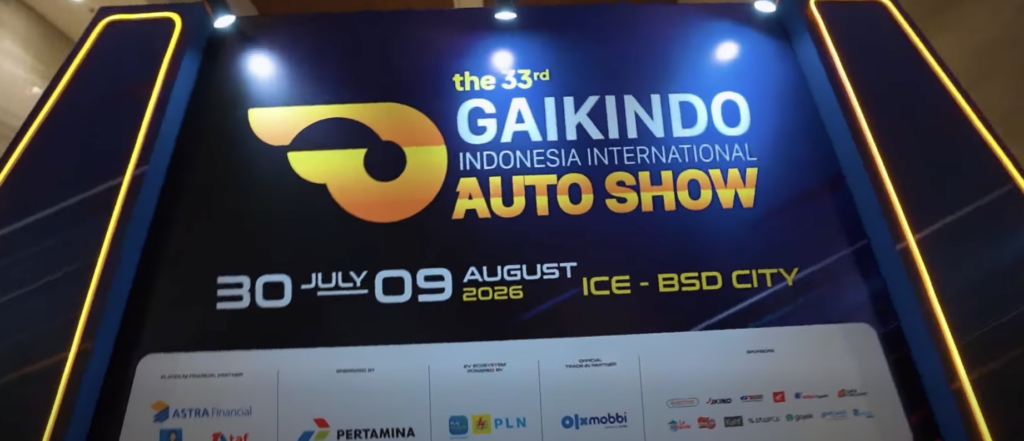
JAKARTA, Indonesia — The automotive industry in Southeast Asia is experiencing a pivotal moment as the 33rd GAIKINDO Indonesia International Auto Show unfolds in BSD City. This year’s event underscores the region’s swift move toward zero-emission vehicles, spotlighting innovations from numerous automakers.
Running through August 9, 2026, the exhibition is a testament to the shifting landscape in the automotive sector, traditionally dominated by internal combustion engines. The event highlights the growing influence of battery electric vehicles (BEVs), with key debuts and emerging technologies setting the stage for a greener future.
Electric Innovations and Debuts
More than 65 automotive brands are participating, with electric models taking center stage. Honda captivated attendees with the ASEAN debut of its Super-One electric hot hatch. This compact vehicle features a Boost Mode button on the steering wheel to enhance power output to 95 horsepower, a simulated seven-speed paddle-shift transmission, and active sound synthesis, aimed at enriching the urban electric driving experience. Initially, only 100 units of this model will be produced for the Indonesian market.
Chinese, South Korean, and Vietnamese manufacturers are leveraging the event to strengthen their presence in Indonesia. They are utilizing local assembly partnerships, specialized platforms, and expanding charging infrastructures.
Leading Brands and Their Offerings
BAIC expanded its Indonesian offerings with the launch of the BAIC T1, a compact crossover intended to attract younger urban buyers. The brand’s foray into this segment follows a successful pre-booking campaign.
BYD, known in Indonesia as Build Your Dreams, showcased its full range of electric vehicles, including the Dolphin hatchback and Atto 3 crossover, emphasizing its focus on family transport with the M6 multi-purpose vehicle.
Changan introduced the Deepal S05, available in both BEV and Range Extended Electric Vehicle (REEV) variants, reflecting a flexible approach to electrification to cater to varying consumer needs.
Chery unveiled the Chery Q, a compact hatchback designed for the affordable EV market in Indonesia, featuring up to 400 kilometers of NEDC range and advanced driver-assistance systems.
VinFast presented a comprehensive lineup of electric crossovers and utility vehicles, alongside commercial variants designed for urban taxi and shuttle operations, supported by the V-GREEN charging ecosystem.
Local Innovations and Two-Wheelers
Indonesian brand Polytron showcased its electric SUV, the Polytron G3+, highlighting local manufacturing capabilities and a partnership with China’s Skyworth Auto. With a focus on customized infotainment and audio systems, Polytron aims to make electric vehicles more accessible to domestic consumers.
The two-wheeler segment also saw significant developments, with Indonesian companies ALVA and Polytron displaying their latest electric scooters. These models are part of a broader push to reduce emissions in urban areas.
Commercial and Hybrid Vehicles
Commercial vehicles are playing a crucial role in the shift to zero-emission transport. Manufacturers such as Geely‘s Farizon and Wuling are introducing electric vans and trucks designed to optimize urban logistics and delivery operations.
Legacy automakers are also adapting to this transition by focusing on hybrid powertrains. Hyundai debuted its Neira electric multi-purpose vehicle prototype, while Mitsubishi and Nissan showcased their hybrid technologies, aiming to bridge the gap between current infrastructure and future electric demands.
Original Story at cleantechnica.com