As the world grapples with the tangible effects of climate change, from unpredictable weather patterns to rising sea levels, the urgency for significant action becomes increasingly apparent. Despite the continued reliance on fossil fuels and rising emissions, there is a glimmer of progress that offers a beacon of hope.
Changing the Narrative on Climate Change
Fred Pearce, a seasoned environment journalist, delves into these shifts in his book “Despite it All,” exploring the advancements in green technologies over the past four decades. Pearce’s work, which has been shortlisted for the 2026 Royal Society Trivedi Science Book Prize, emphasizes the potential for overcoming current environmental challenges.
Pearce notes, “I detect a kind of desire to be told something other than it’s all hopeless and there’s nothing we can do.” This sentiment reflects a growing public interest in solutions and strategic actions to address environmental issues.
The Role of Rewilding and Natural Recovery
Rewilding efforts, which allow ecosystems to recuperate naturally, are among the solutions Pearce champions. He points to instances where abandoned agricultural lands in Europe and North America have seen nature reclaim those spaces. However, Pearce warns of the complexities involved in managing such projects, citing the example of a large project in the Netherlands that faced challenges.
Population Dynamics and Environmental Impact
Examining the interplay between human population trends and climate change, Pearce discusses the evolution of reproductive politics and its implications on global sustainability. He observes a shift from concerns about a “population bomb” to recognizing the significance of consumption patterns in wealthier nations. Pearce argues for a balanced approach to population growth, advocating for reproductive rights and gender equality to guide sustainable development.
Renewable Energy and Technological Advances
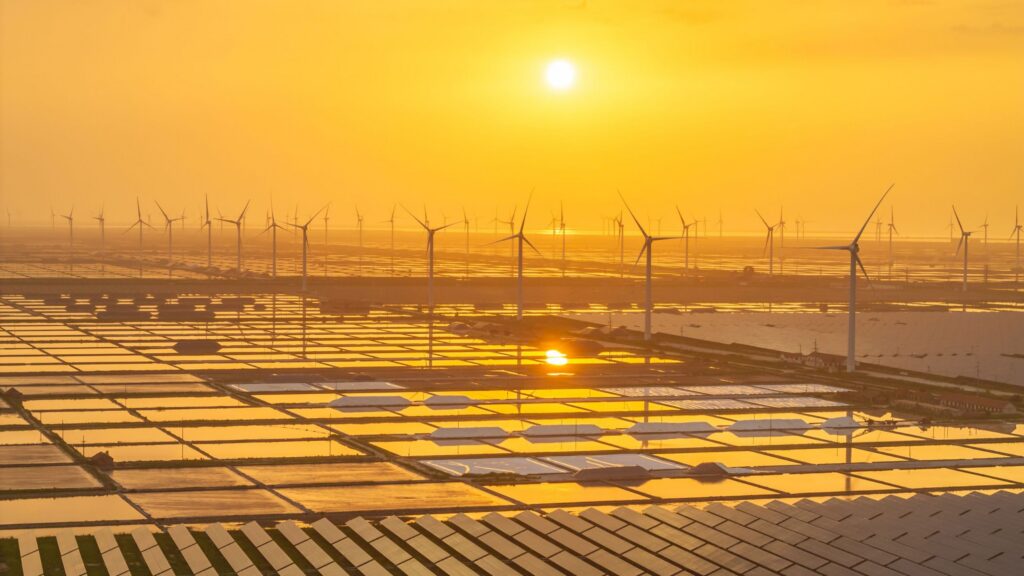
Pearce highlights the rapid growth of renewable energy as a critical factor in the green transition. With China leading the charge in reducing costs and expanding the reach of solar power, renewables are now more accessible and affordable. Pearce asserts, “In the real world, renewable [energy] is mostly cheaper than fossil fuels,” noting the strategic importance of such advancements.
Navigating Global Inequality and Resource Management
Addressing the disparity between affluent individuals and those in developing regions, Pearce underscores the feasibility of achieving a reasonable global living standard without environmental degradation. He emphasizes the interconnectedness of economic inequality and environmental challenges, advocating for equitable resource distribution.
Reflections on Past Achievements and Future Challenges
Throughout his career, Pearce has witnessed significant environmental victories, such as the resolution of the ozone depletion crisis and the reduction of industrial river pollution. These successes, he suggests, demonstrate the potential for positive change and the importance of continued innovation to tackle emerging issues like nitrogen pollution and sustainable agriculture.
With an optimistic yet realistic outlook, Pearce’s “Despite it All” serves as a testament to humanity’s capacity for resilience and adaptation in the face of environmental adversity.
Original Story at www.livescience.com