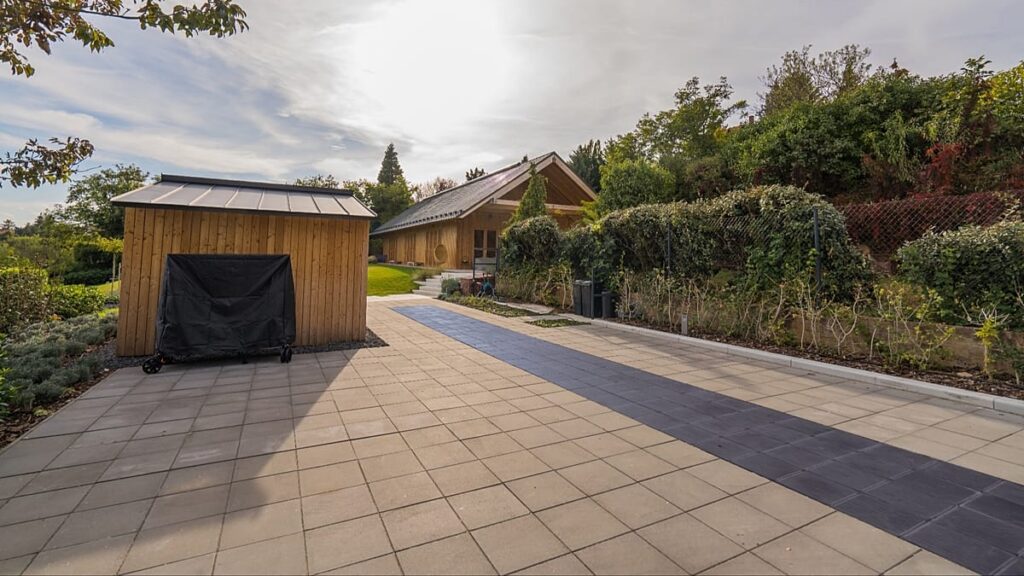
In an innovative shift, Europeans are turning their driveways and patios into small-scale solar farms, a move that accelerates the continent towards a more affordable and resilient energy future. This transformation is part of a broader initiative to harness solar energy and reduce dependency on conventional energy sources.
The recent conflict involving Iran has led to a significant increase in oil and gas prices due to disruptions in the Strait of Hormuz, a crucial passage for global oil supplies. In response, solar energy has emerged as a vital cushion against fossil fuel price shocks. According to Solar Power Europe, this shift has already saved the European Union €40 billion in avoided gas imports since the onset of the conflict. Despite these savings, electricity and gas costs remain high, prompting many European households to gain control over their energy consumption.
In Germany, Enpal BV, a renewable energy company, experienced a 30% surge in inquiries for solar panels following the U.S.-Israel confrontation with Iran. Similarly, the U.K.’s energy firm EON saw a 23% increase in solar interest between late February and early March, which further jumped by 63% in the subsequent week. This trend highlights a growing interest in solar solutions beyond traditional rooftop installations.
Solar Innovations Transform Outdoor Spaces
Start-up companies like PLATIO are pioneering the integration of solar panels into outdoor spaces such as patios and decking areas. Since their initial prototypes in 2016, PLATIO has expanded across 13 European countries, aiming to replace conventional paving materials with solar technology in urban areas, parks, and residential homes.
In 2018, a nine-square-meter installation by PLATIO was introduced to a family home in Kecsmét, Hungary. This 1.7 kWp system can generate enough electricity to power essential household appliances and lighting. In Germany, a larger 6.64 kWp system was installed in a courtyard near Frankfurt, capable of meeting the annual electricity needs of a typical three-bedroom home.
In the U.K., SolarPave is also making strides in transforming outdoor spaces with solar technology, showcasing completed projects such as a solar driveway and a residential balcony floor in Yorkshire.
Functionality of Solar Driveways and Patios
Companies like PLATIO utilize durable, anti-slip glass to shield solar panels, allowing them to withstand foot traffic and even parking. Regular cleaning is recommended to maintain efficiency, as dirty panels can experience a performance loss of about 3%, depending on the specific setup.
While solar panels installed flat on the ground capture less sunlight compared to angled rooftop panels, they can still contribute to energy savings. The actual payback period for these systems can vary, influenced by factors like location and installation specifics.
Maximizing Solar Potential
“People are choosing solar because it puts them back in control,” states Sonia Dunlop, CEO of the Global Solar Council. “After years of volatile energy bills, households in Europe and across the world want to take energy into their own hands and solar is one of the most affordable ways to do that.”
While rooftop panels remain a popular choice, not all homes have suitable roofs due to shading or material constraints. Innovations in solar technology now allow homeowners to utilize driveways, patios, fences, and car parks for solar installations. Dunlop emphasizes, “Every sunny surface we put to work brings Europe closer to an energy system that is cheaper, more secure and owned by the people it serves.”
Original Story at www.euronews.com