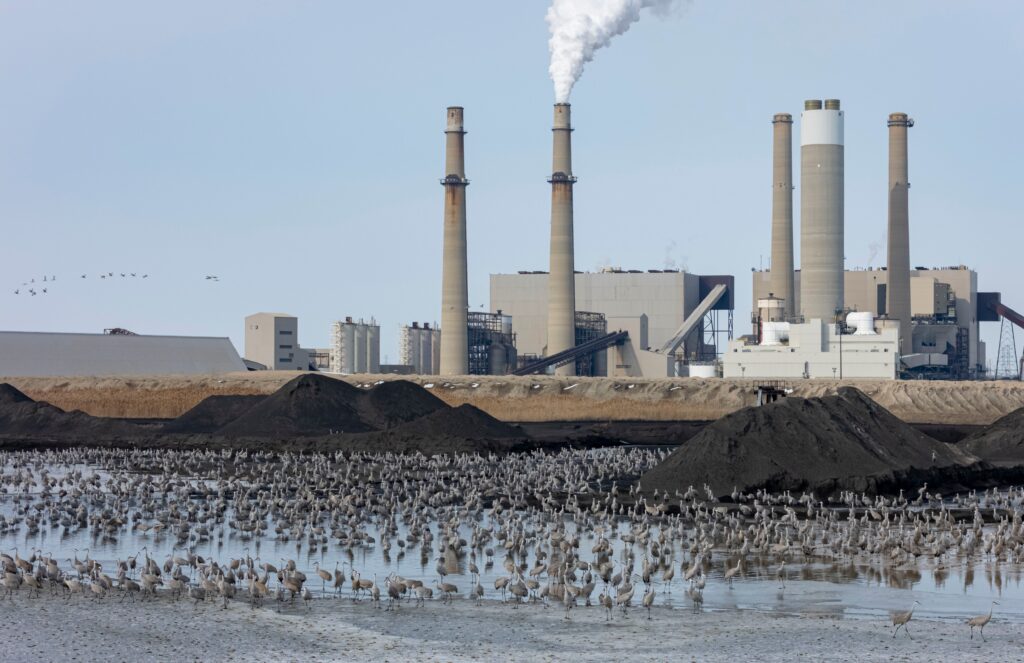
As environmental policies shift with changing administrations, the landscape of energy regulation in the U.S. faces significant transformations. Janet McCabe, who played a pivotal role in shaping greenhouse gas regulations during President Joe Biden’s tenure, now observes a different trajectory under President Donald Trump’s administration.
Changes in Greenhouse Gas Regulations
Janet McCabe, former deputy administrator at the U.S. Environmental Protection Agency (EPA), witnessed firsthand the crafting of rules aimed at curbing greenhouse gas emissions from power plants. Today, she sees those efforts unravel as the Trump administration seeks to dismantle these measures.
“I understand different administrations have different priorities,” McCabe expressed. “It is super concerning to see this administration so single-mindedly work to not just weaken the rules to make them easier for industry, but to actually attempt to permanently undermine the federal government’s ability to address these public health threats.”
EPA Administrator Lee Zeldin’s recent announcement on September 14 regarding the rollback of Biden-era greenhouse gas standards for power plants has stirred concerns among environmental and utility experts. The rollback pertains to a repeal of numerous regulations designed to mitigate emissions.
Implications for the Environment and Economy
The ramifications of these regulatory changes are broad, sparking apprehension over environmental, health, and economic impacts. Hana Vizcarra from Earthjustice noted the predictability of such actions, given the Trump administration’s historical preference for coal, a decision criticized for prioritizing industry interests over cleaner energy alternatives.
Vizcarra highlighted that the power sector stands as one of the largest emitters of greenhouse gases, and relaxing these regulations could exacerbate climate issues significantly across the nation.
The EPA defends its decision by projecting a $310 billion saving, coupled with a proposal to rescind the remaining greenhouse gas standards, potentially saving $370 million in compliance costs. Zeldin asserts this will lower electricity prices, arguing the rollback allows for the full potential of American energy to be realized, promising jobs, lower prices, and prosperity.
Despite assurances from the EPA, experts like Kerwin Olson from the Citizens Action Coalition contest the narrative, pointing out that coal’s cost-effectiveness is outpaced by renewable energy sources like wind and solar. Olson argues that deregulation to sustain coal is a short-sighted approach, dismissing the advances in clean technology and public health.
Regional and Legal Challenges
Northwest Indiana, a region with a history of pollution, faces heightened risk under these deregulations. McCabe and activists like Ashley Williams from Just Transition Northwest Indiana emphasize the health implications for local communities, calling attention to the disproportionate impact on disadvantaged populations.
The legal landscape is also in flux as federal court decisions challenge the Department of Energy’s emergency orders to keep coal plants operational past planned retirements. A recent ruling found the DOE exceeded its authority in keeping Michigan’s J.H. Campbell Coal Plant online, a decision that could influence similar cases in Indiana.
Nick Wallace from the Environmental Law and Policy Center underlines the significant financial cost to ratepayers to maintain these operations. The ongoing legal battles underscore a critical debate over the balance between regulatory authority and environmental stewardship.
As the situation unfolds, voices from various sectors continue to advocate for a reevaluation of energy policies that align with environmental sustainability and public health priorities. The EPA’s actions and the subsequent legal challenges reflect a pivotal moment in the ongoing discourse about America’s energy future.
Original Story at www.chicagotribune.com