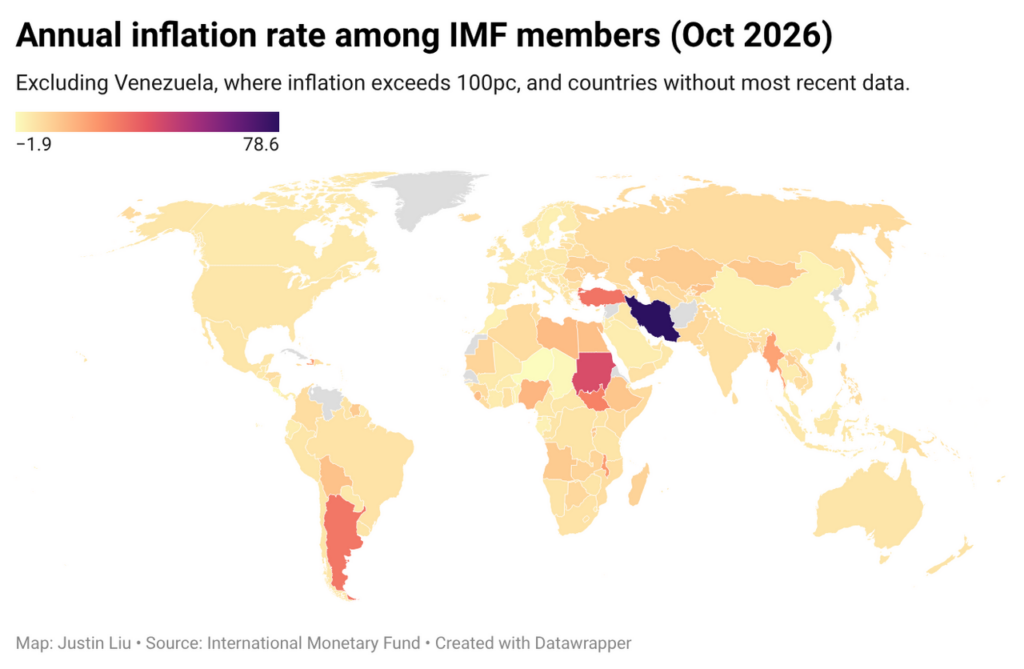
When the cost of filling a gas tank or paying an electricity bill rises sharply, it does more than strain household budgets — it shapes how Americans think about their government, their elected officials, and whether their voices matter at the ballot box. Energy-driven inflation, which pushed the overall U.S. inflation rate to 3.7% in October 2026, is exactly the kind of economic pressure that drives voters to the polls and demands that elected leaders be held accountable through transparent, accessible elections.
The latest inflation figures, reported by the Daily Montanan and written by demographics reporter Tim Henderson, show that energy price spikes were the primary force behind the surge. While some sectors of the economy had shown signs of stabilizing, volatile energy costs — including gasoline and home heating fuel — reignited broader inflationary pressure that many American households had hoped was easing.
Why Energy Prices Drive the Inflation Conversation
Energy costs touch nearly every part of daily life. They determine what families pay to commute to work, heat their homes in winter, and keep the lights on. When those costs jump, the ripple effects spread quickly — raising the price of groceries, manufactured goods, and services that depend on transportation and power. This is why a spike in energy prices can push overall inflation higher even when other categories remain relatively stable.
The 3.7% inflation rate reflects that dynamic directly. According to the reporting from the Daily Montanan, energy price surges were the dominant factor in the October 2026 reading, underscoring how dependent the broader economy remains on energy market stability.
What This Means for Voters and Civic Participation
Economic conditions have long influenced voter behavior and public trust in democratic institutions. When inflation rises and household purchasing power falls, Americans often become more engaged in following how their representatives vote and respond to economic challenges. That engagement is a healthy part of democracy — and it begins with access to clear, accurate information and the ability to participate in elections.
For Montanans and Americans across the country, staying informed about how elected officials are responding to inflation starts with knowing how to engage with the democratic process. You can register to vote to make sure your voice is counted in upcoming elections, and you can contact your state lawmakers directly to let them know how rising energy costs are affecting your household and community.
Federal legislators also bear responsibility for energy and economic policy. Voters can review the actual voting records of their representatives by checking the roll-call votes of the U.S. Senate and the roll-call votes of the U.S. House — tools that allow any citizen to see exactly how their elected officials have voted on legislation affecting the economy, energy policy, and more.
The Broader Political Context in Montana
The inflation report arrives at a moment of heightened political activity in Montana. The state’s U.S. Senate candidates recently met on the debate stage, with affordability and cost-of-living issues central to the discussion. Montana U.S. Senate candidates shared a debate stage in October 2026, as reported by Micah Drew, with economic concerns looming large for voters weighing their choices.
Earlier in the year, Montana voters casting primary ballots flagged affordability as one of their top concerns. As Jordan Hansen and Keila Szpaller reported, voters cited affordability and the environment as primary concerns when they went to the polls in June 2026 — a signal that energy costs and inflation were already top of mind months before the latest data confirmed the trend.
Montana’s economy has also seen notable shifts beyond inflation. Montana nonresident tourism spending increased to $5.6 billion last year, according to reporting by Micah Drew — a figure that reflects the state’s economic complexity and the variety of pressures and opportunities its residents navigate.
The intersection of rising energy prices, inflationary pressure, and active election cycles makes this moment particularly important for civic engagement. When economic hardship is real and widespread, it is more essential than ever that every eligible voter has the tools, information, and access needed to make their voice heard. Reviewing how representatives vote, staying informed through reliable sources operating under clear republishing guidelines, and participating in elections are the foundational acts that keep democratic accountability alive. You can review the Daily Montanan‘s republishing guidelines to understand how to share credible reporting responsibly within your own community.