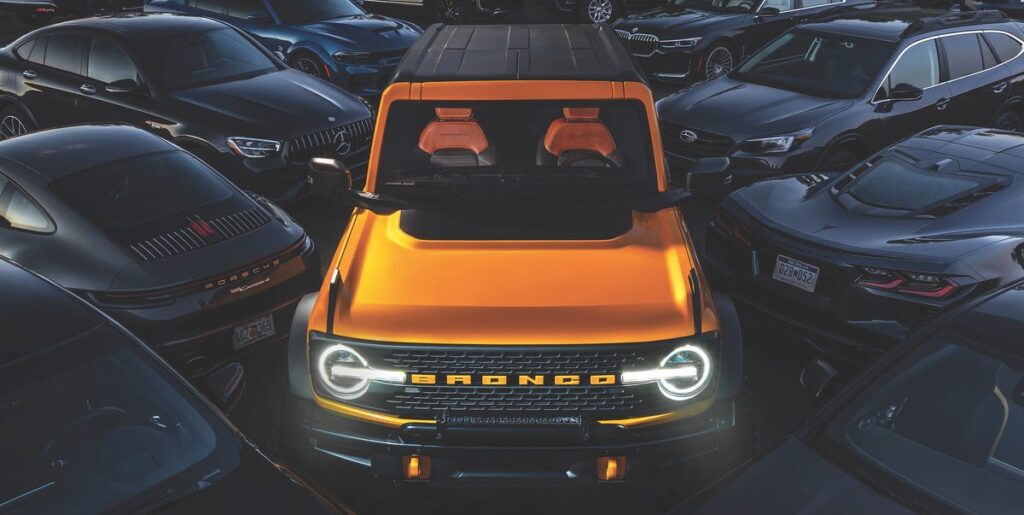
Parking lots across America often display a monotonous sea of vehicles in neutral shades, with nearly 80% of new car buyers opting for white, black, or silver/gray. Yet, fresh and vibrant color trends are making a noticeable entrance onto the automotive scene.
“Trend data clearly shows the palette evolving rather than stagnating,” notes Gloria Jover, an automotive expert at the Pantone Color Institute based in New Jersey. Interestingly, the market share for colored car paints has seen an increase of nearly two percentage points recently.
This shift marks a departure from the trend of the early 21st century, where the variety of car colors significantly dwindled compared to two decades ago.
Jover attributes this neutral trend to cautious consumer behavior, with the average new car price now approaching $50,000. Neutral colors are favored for their higher resale value, prompting dealers to stock these shades extensively.
Historically, the 1950s were characterized by bright pastel-colored cars, reflecting the era’s consumer optimism. Similarly, the rise of glossy white tech gadgets in the 2000s contributed to white’s dominance in the automotive color palette during the 2010s.
Color Returns to the Forefront
In the coming five years, the spotlight will not be on traditional blues and reds, as their popularity declines, reports BASF, a leading supplier of automotive paint worldwide.

The resurgence of color is driven by a rekindled connection with nature, notably evident in the rising popularity of green. According to Jover, green has become “the most dynamic chromatic mover worldwide,” driven by the sustained popularity of SUVs and crossovers, which emphasize nature and ecological themes.
Misty Yeomans, PPG’s automotive color and styling manager, highlights the growing appeal of minty and light greens like PPG’s ‘Secret Safari’, described as “organic” and “mineral.” These hues, which embody efficiency and minimalism, are expected to gain traction.

Other emerging colors include deep violets, which tap into themes of space and exploration. Yeomans notes that “consumers have continued to be super interested in space and space travel,” fueling a rise in purplish blues with intergalactic qualities. Dodge’s new Charger features hues like Purple Haze and After Dark to cater to this trend.
Oranges, inspired by the golden hour and outdoor landscapes, are also gaining popularity. Honda’s Passport TrailSport SUV, available in Sunset Orange, reflects this adventurous and energetic aesthetic.
Innovation in Color Driven by EVs and AI
Despite a slowdown in growth, electric vehicles remain a significant influence on color trends. Honda’s Modina mentions that electrified vehicles are pioneering many of these trends.
Jover explains that EVs are embracing “smoked neutrals”—brownish or greenish greys with subtle undertones, which convey a sense of quiet luxury. An example is the olive color planned for Jeep’s new Recon electric off-roader.

Newer finishes are also breathing life into traditional colors. Matte silvers and pearl-infused whites are emerging among electric cars to highlight efficiency and innovation, as seen with Dodge’s Charger EV and Honda’s conceptual 0-Series vehicles.
AI is accelerating the development of new colors, streamlining research processes, and allowing for democratization of finishes that were once exclusive. Yeomans states that AI “speeds up the R in our R&D,” enabling faster and more varied color options.
AI advancements are also making luxury finishes more accessible across different price points, offering a broader range of styling choices for consumers.
Original Story at www.caranddriver.com