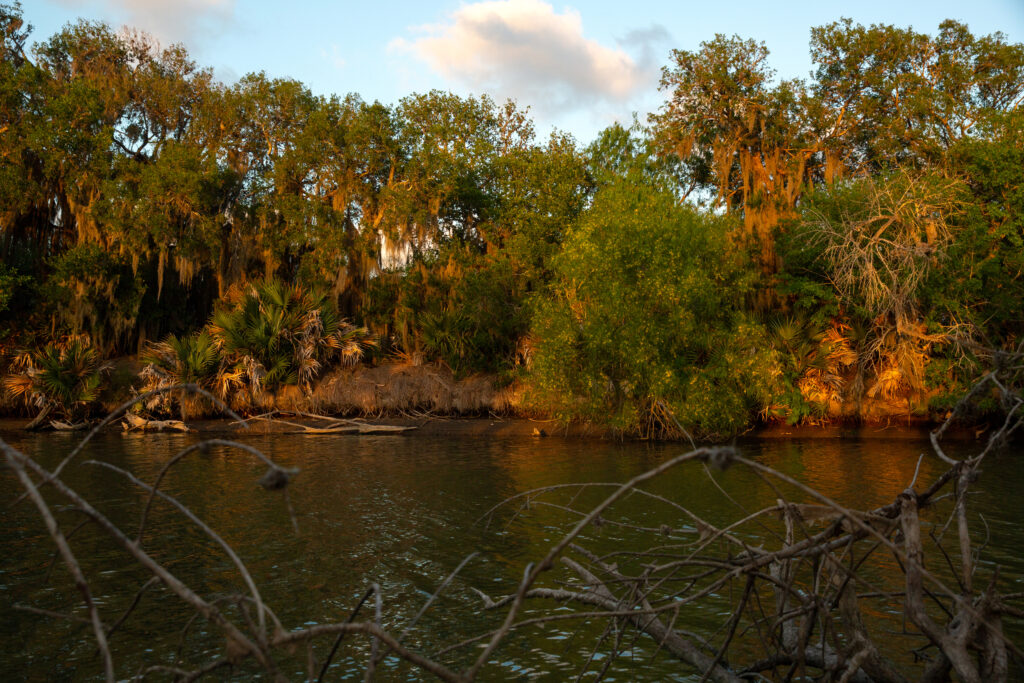
Environmental regulators in Texas issued an emergency order suspending requirements for Corpus Christi to release water from its reservoir system. This decision affects the drought-stricken city’s coastal wetlands.
On the same day, Corpus Christi lifted long-standing lawn watering restrictions. These had been in place since 2024, a year when reservoirs dropped below critical levels, until a recovery in July.
“The city has chosen lawns over the bay,” said Larry McKinney, former senior director at the Texas Parks and Wildlife Department. “Without freshwater inflows, the bay becomes a giant sewage treatment pond.”
This suspension marks the latest in a long-standing conflict over water in Corpus Christi, an industrial hub on the South Texas coast, amid persistent droughts.
Corpus Christi has not released water into the Nueces River Delta and Nueces Bay since 2024, when reservoir levels fell below the 30 percent threshold for environmental flows set in a 2001 administrative order by the Texas Commission on Environmental Quality (TCEQ).
Despite significant rainfall in July raising reservoir levels above 40 percent, Corpus Christi delayed water release, requesting a rule suspension instead.
“Without emergency relief, Applicants could be required to release as much as [11.9 billion gallons] of inflows,” the city stated.
The TCEQ approved Corpus Christi’s request, indicating the region’s water crisis persists. TCEQ Executive Director Kelly Keel noted that, despite improved levels, drought conditions are expected to worsen.
If below-average rainfall continues, reservoirs could fall below 30 percent by April next year, warned Water Chief Operating Officer Nick Winkelmann.
Nevertheless, the city lifted restrictions on lawn watering, in place since March 2024. “Why do we have to let the residents suffer? Let them water their grass,” City Council member Eric Cantu stated.
Lawn watering constitutes nearly half of municipal water use in the Texas summer, according to the Texas Water Resources Institute. Cantu suggested restrictions were impacting water sales.
City Council members criticized environmental water releases as wasteful. State Rep. Denise Villalobos pledged to permanently repeal the requirement. The city noted no fish kills or environmental complaints since 2024.
Kirsten Stansell, of the Coastal Bend Bays & Estuaries Program, argued that the suspension affects the bay. “Salinities in Nueces Bay and the Nueces Delta have steadily increased,” she told the City Council.
Salinity is crucial for bay and delta ecosystems, which depend on moderate salt levels. Salinity in Nueces Bay now exceeds the Gulf of Mexico’s, Stansell remarked, affecting vital estuary habitats.
Environmental experts like McKinney warn of irreversible damage without freshwater inflows. “I’ve seen it many times, and unfortunately we’re going to repeat it here,” he commented.

If the ecosystem deteriorates, microbes that digest treated wastewater could vanish, leading to severe local issues.
The TCEQ’s order was issued without a hearing, with a review scheduled for Sept. 9. Corpus Christi thanked officials for their cooperation, aiming to manage water supplies amid continued drought conditions.
“The City pursued the temporary suspension as part of its continued efforts to manage available water supplies during ongoing drought conditions,” the statement said, acknowledging state support.
Original Story at insideclimatenews.org