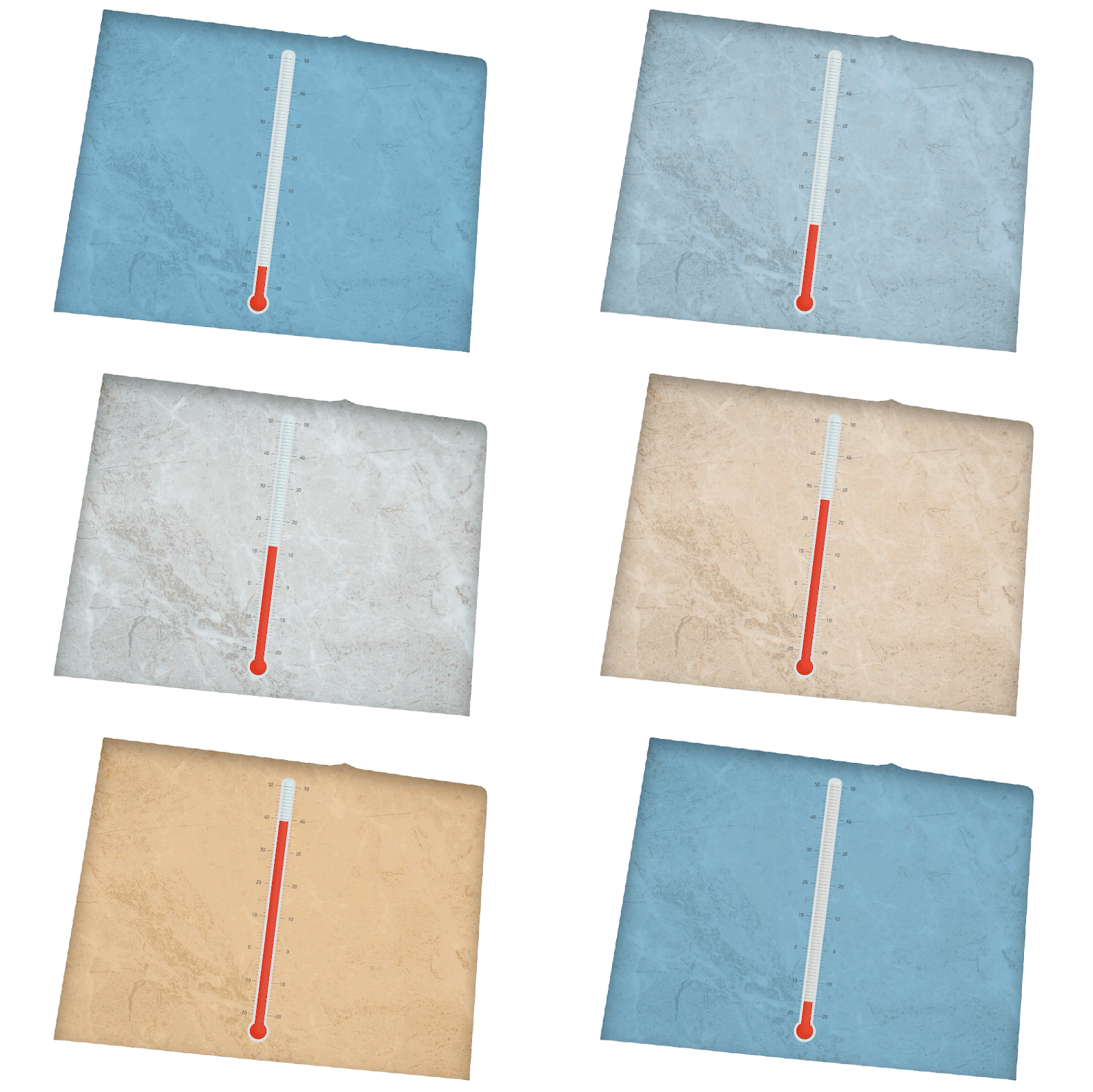
Illustration by Kevin Jeffers/The Colorado Sun
Story first appeared in:
In Colorado, the effects of climate change are showing up in unexpected ways, from golf courses banning carts due to dry turf to ski resorts cutting worker hours. These are just a few examples of how the state is grappling with its warmest year in over a century, prompting officials to activate drought task forces and impose water restrictions.
Colorado’s climate is undeniably shifting. The past 50 years have seen the state become significantly warmer and drier, a reality that is not contested. As these changes become more pronounced, experts like Adrienne Marshall from the Colorado School of Mines emphasize the critical role of societal choices in determining future warming levels and their impacts.
The Heat
DENVER
Shaina Oliver, who once worked in retail, recounts how her store would cut off air conditioning after hours, leaving employees to endure rising temperatures while restocking shelves. This situation mirrors the broader trend of rising temperatures across Colorado, which have climbed by 2.3 degrees Fahrenheit since 1980, according to Colorado State University’s climate update.
Oliver’s concerns extend beyond her own discomfort. Living near the polluting Suncor refinery in Denver, she worries about her asthmatic son and others vulnerable to heat, including pregnant women and outdoor workers. Her advocacy through Moms Clean Air Force includes supporting legislation for workplace temperature regulations.
The Water
THE RIVERSIDE
Water is a precious resource in Colorado, heavily reliant on snowpack from the mountains. However, dwindling snow levels are jeopardizing water supplies. Lake Powell, a crucial water reservoir, is expected to receive only 36% of its usual intake due to low snowpack in Colorado, Utah, and Wyoming.
Colorado’s recent droughts are among the worst recorded, with precipitation levels dropping significantly. Farmers in southwestern Colorado may receive only a fraction of their expected irrigation water, while urban areas like Denver contemplate strict water usage rules. Meanwhile, federal authorities consider draining upstream reservoirs to maintain Lake Powell’s hydropower capabilities.
The Crops
KEENESBURG
For the Cantwells, a farming family in Keenesburg, climate change means constant adaptation. The family navigates challenges like water shortages and shifting crop viability, switching between corn, milo, and alfalfa based on water availability and weather conditions.
With state assistance, the Cantwells acquired a used combine, enabling them to adjust planting and harvesting strategies. Yet, new pests like the wheat stem sawfly pose additional threats, highlighting the ongoing challenges Colorado farmers face amid climate change.
The Blackouts
EVERGREEN
In Evergreen, businesses like Boone Mountain Sports are grappling with power outages implemented to prevent wildfire risks. Xcel Energy’s decision to cut power during high wind events cost local businesses significantly, leaving them to consider costly backup generators.
While understanding the need for precautionary measures, business owners like Logan Boone express frustration over the financial impact and lack of insurance coverage for such losses. The reality of adapting to climate-related challenges is becoming increasingly apparent in Colorado’s foothills.
The Bad Air
ALONG I-25
Colorado’s rising temperatures are exacerbating ozone pollution, with recent years seeing numerous high ozone alert days. This pollution, stemming from vehicle emissions and industrial activities, poses significant health risks, particularly in lower-income urban areas.
Efforts to reduce ozone levels face setbacks from federal policy changes, such as relaxed fuel standards and extended coal plant operations. Despite some progress, experts like Tony Gerber caution that Colorado’s battle against ozone pollution remains an uphill struggle.
The Birds
BOULDER
Birdwatchers in Colorado are noticing changes in bird populations, with species like the yellow-throated warbler appearing out of their usual range. Meanwhile, familiar birds like the rough-legged hawk are becoming scarce due to shifting habitats.
These changes reflect broader ecological shifts driven by climate change, as birds and other wildlife adapt to new environmental conditions. Conservation efforts become increasingly crucial in preserving Colorado’s diverse ecosystems.
The Insurance
THE FOOTHILLS
Colorado’s escalating climate risks are impacting insurance premiums, with home insurance costs rising substantially due to increased wildfire and hail threats. The state has established a last-resort insurer to support homeowners unable to secure traditional policies.
Hail now poses the most significant insurance challenge, with record-breaking incidents causing widespread damage. Researchers like Brian Tang warn that as temperatures rise, the frequency of severe hailstorms is likely to increase, further straining insurance systems.
The Ski Slopes
ASPEN
Colorado’s ski industry is feeling the effects of climate change, losing significant winter days and affecting both recreational and employment opportunities. Aspen’s ski resorts, for example, have experienced a decrease in operating days due to reduced snowpack.
Resorts are increasingly reliant on artificial snowmaking, which incurs additional costs. As climate models predict continued warming, the ski industry faces an uncertain future, with potential impacts on local economies reliant on winter tourism.
The Plants
FAIRPLAY
High-altitude botanists like Alexandra Seglias are witnessing the impacts of climate change on Colorado’s plant life. Species like the Avery Peak twinpod face competition from other plants moving to higher elevations, threatening their survival.
Conservationists emphasize the importance of preserving diverse plant species, recognizing their role in maintaining ecological balance. As climate change alters habitats, understanding and protecting these species become critical.
The Forests
IDAHO SPRINGS
Colorado’s forests are under threat from climate change, with warming temperatures enabling pine beetle infestations that devastate tree populations. State Forester Matt McCombs highlights the need for proactive management to address these challenges.
Efforts include embracing controlled wildfires and logging to maintain healthy forests. As the state faces significant ecological changes, collaboration and innovative strategies are essential to preserving Colorado’s natural landscapes for future generations.
Original Story at coloradosun.com