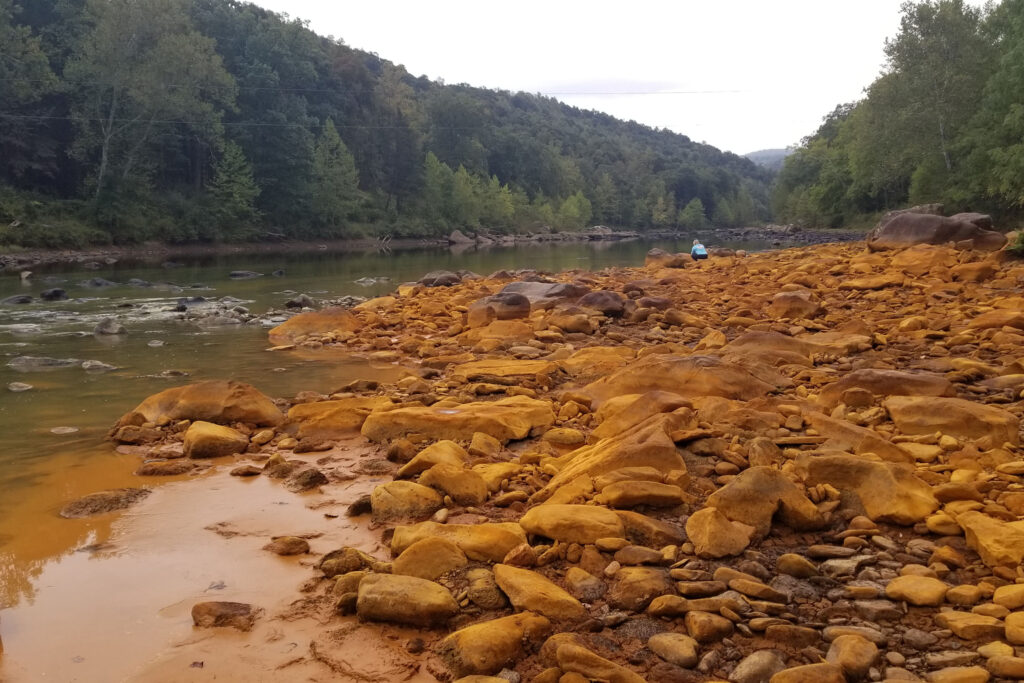
The Infrastructure Investment and Jobs Act, enacted in 2021, authorized over $11 billion in funding for the reclamation of lands and waterways affected by abandoned coal mines. Leaders involved in these projects were thrilled with the potential impact. Amanda Pitzer, executive director of Friends of the Cheat in West Virginia, expressed excitement, emphasizing the opportunity to invest in water treatment with the $2.1 billion expected over 15 years.
However, Congress is considering reducing this funding. The U.S. House of Representatives recently passed a bill to retract $500 million from the 2021 allocation for mine cleanup. States like Pennsylvania, West Virginia, Illinois, and Kentucky may be most affected, according to Appalachian Voices. The bill awaits Senate approval and the President’s signature.
“We’re horribly disappointed,” Pitzer stated. Less funding means fewer reclamation projects, such as treatment systems for acid mine drainage, which harms aquatic life. In West Virginia, Abandoned Mine Land funding has also supported public water line construction where pollution tainted drinking water. Despite improvements since the 1990s, significant work remains in the Cheat River area.
The bill suggests reallocating funds to wildland fire management and U.S. Forest Service operations, a move criticized by Andy McAllister of the Western Pennsylvania Coalition for Abandoned Mine Reclamation. He noted most Pennsylvania representatives voted for the bill, despite the state’s numerous abandoned mines and related environmental issues, including pollution affecting more than 5,500 miles of waterways.
The Pennsylvania Department of Environmental Protection estimated a need for $5 billion to remediate mine lands and waterways. “The bottom line is, just like it always is, we got more problems than we got money,” McAllister said.
Experts fear this repurposing of funds could set a precedent. “The AML fund is not a slush fund,” Pitzer commented, calling the reallocation shortsighted. Projects funded by this money support job creation in economically struggling areas, offsetting losses from the declining coal industry. Joe Pizarchik, former head of the federal Office of Surface Mining Reclamation and Enforcement, highlighted the loss of potential tourism revenue due to pollution-affected waterways.
“A fee on every ton of coal was meant to clean up past damages,” Pizarchik explained. Over time, fees have decreased. Bobby Hughes, of the Eastern Pennsylvania Coalition for Abandoned Mine Reclamation, emphasized the importance of these funds for local projects, stating the region “is living the impacts of this legacy.”
Original Story at insideclimatenews.org