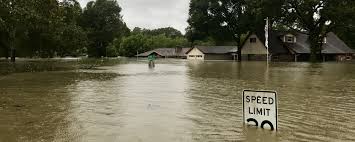
The Risk Management Model of the World’s Largest Insurance Marketplace
Lloyd’s of London adapts to climate and geopolitical risks, pushing for public-private partnerships in risk management.
Lloyd’s of London adapts to climate and geopolitical risks, pushing for public-private partnerships in risk management.
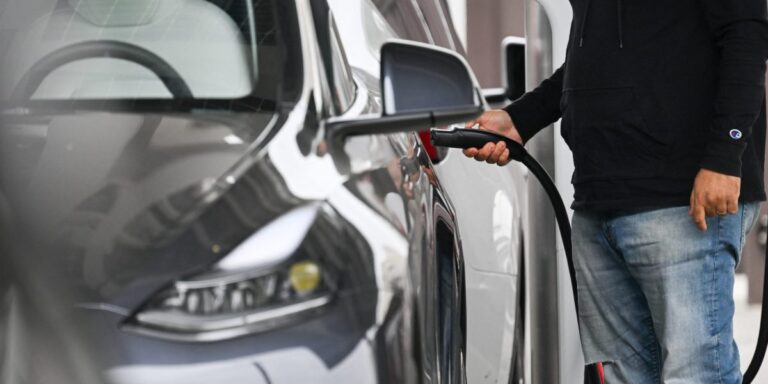
Tehmina Haider and Michael O’Leary emphasize the role of consumers in clean energy adoption, noting that sustainable products must match traditional alternatives in quality, convenience, or price to succeed.
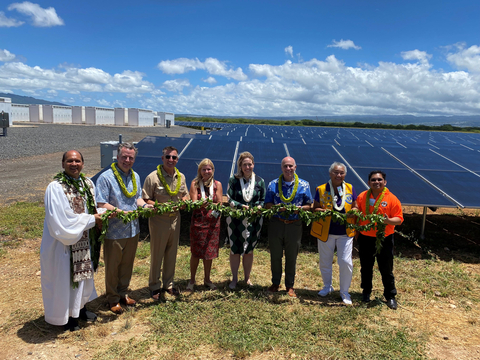
Ameresco’s Kūpono Solar facility in Hawaii, now operational, powers 10,000 homes, cuts 50,000 tons of CO2 annually, and supports Hawai’i’s clean energy goals.
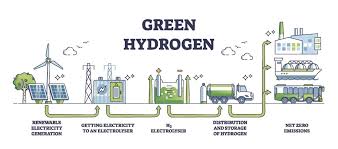
Korean researchers at KIER successfully tested a green hydrogen system, enhancing renewable energy grid stability.
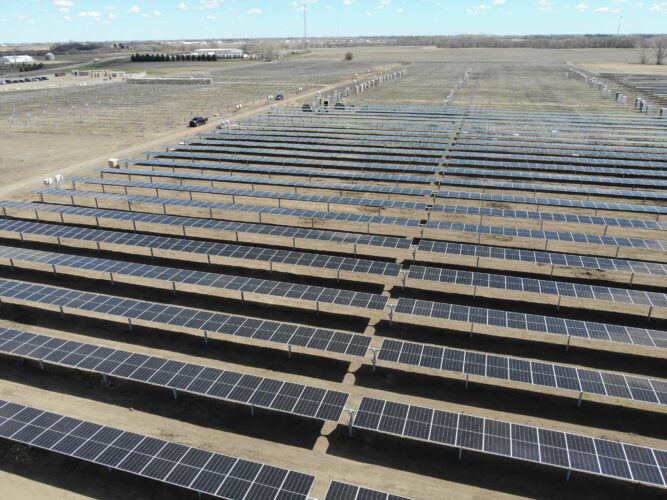
A 10-megawatt solar farm in Marshall is nearing completion, set to be operational this fall, providing power to the city.

Maine met its goal of a 10% greenhouse gas reduction by 2020 and is 91% toward carbon neutrality by 2045.

Scientists create an AI-enabled “digital twin” of Earth, named Destination Earth (DestinE), to tackle climate change and predict extreme weather.
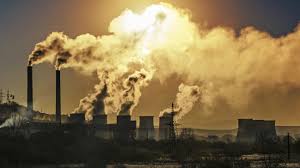
Human emissions of nitrous oxide (N2O) have risen 40% in 40 years. A 20% cut is needed by 2050 to meet climate targets.
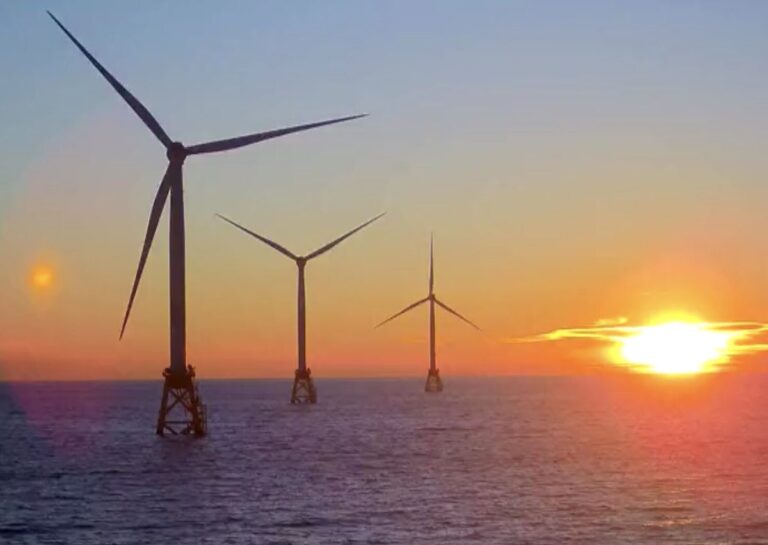
UK offers financial support for UK and Chilean energy projects, focusing on green hydrogen, energy storage, and wind.
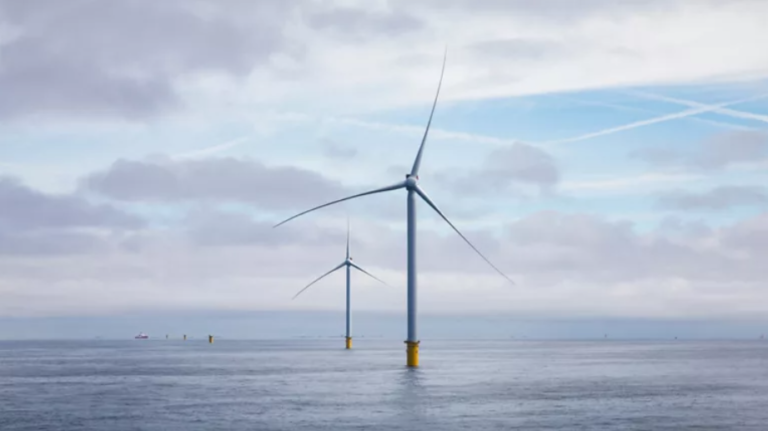
The Netherlands awards development permits to Noordzeker and Zeevonk II for major offshore wind sites IJmuiden Ver Alpha and Beta, totaling 4 GW.
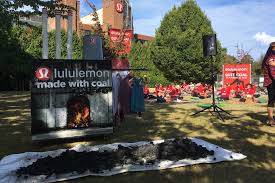
Lululemon faces backlash for inadequate eco-friendly practices, as Stand.earth’s report highlights gaps in the brand’s decarbonization efforts.
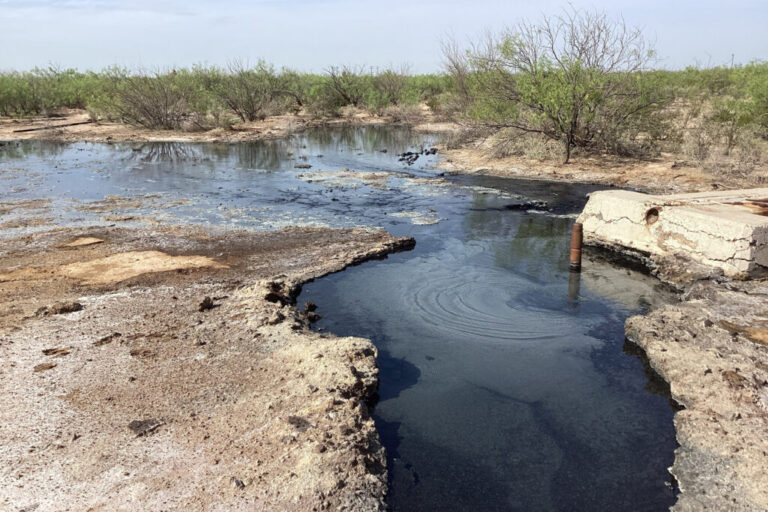
West Texas rancher Schuyler Wight faces recurring issues with reactivating abandoned oil wells leaking gassy water on his land.