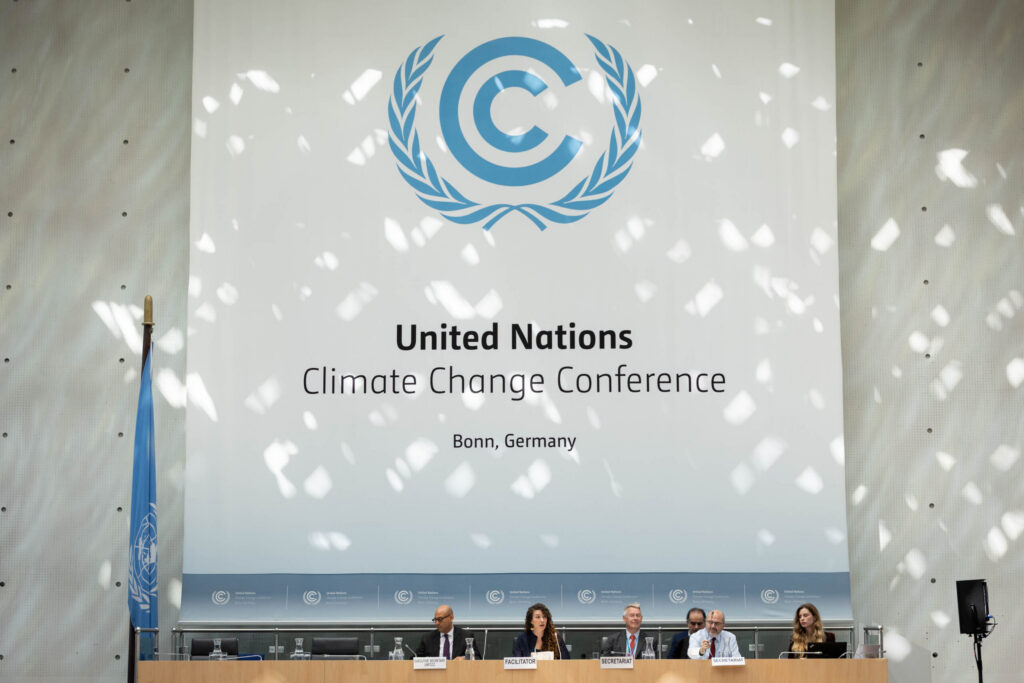
The World Conference Centre in Bonn is currently hosting the June Climate Meetings (SB64), where delegates are tasked with confronting the pressing need for reform. The gathering is marked by packed agendas, time constraints, and geopolitical tensions, raising questions about the sustainability of the consensus-driven process.
Frustration is mounting as the process often yields incremental outcomes that fail to keep pace with the accelerating climate crisis. The climate regime has achieved much, but there is a growing concern about its ability to continue delivering at the necessary scale.
Reimagining Multilateral Climate Action
The UN’s climate efforts have seen significant achievements over the past three decades, establishing a global framework for accountability and transparency under the UNFCCC, the Kyoto Protocol, and the Paris Agreement. This framework has dramatically reduced projected warming and made clean technology more accessible. Yet, as temperatures continue to hit new highs, the world struggles to meet the Paris Agreement’s goals, with the gravest impacts affecting the most vulnerable communities.
The shift from treaty-making to actual implementation is essential, yet the existing structure is not fully equipped for this transition. The process is currently designed around negotiating treaties, which does not align with the urgent need for effective climate action on the ground.
Calls for Structural Reforms
Amid widespread discussions on reform, the Arrangements for Intergovernmental Meetings (AIM) process is examining ways to enhance the UN climate process’s efficiency. The UNFCCC Executive Secretary has initiated a High-Level Consultative Roundtable to explore strategic improvements. Stefan Ruchti-Crowley and Paul Watkinson suggest reforms in their paper for ecbi, titled “Quo Vadis COP? Reforming UNFCCC Sessions to Improve Negotiations and Support Implementation.” They outline four key reforms that can be implemented within the current framework.
Firstly, streamline agendas. The current process is burdened by overlapping agendas and workstreams. Consolidating agenda items and removing outdated topics could allow for more meaningful discussions.
Secondly, adopt a strategic approach to work organization. Instead of addressing every issue at every session, focus on thematic multi-year programmes and align review cycles for coherence.
Thirdly, prioritize implementation. Not all challenges require negotiation. Some discussions should focus on cooperation and problem-solving rather than formal outcomes.
Finally, broaden participation and enhance structural frameworks. Include a wider array of stakeholders in national delegations and strengthen collaboration with various sectors and international institutions.
Efficiency in the Face of Financial Constraints
As the UNFCCC faces financial challenges, improving efficiency is not just beneficial but necessary. Delayed contributions and reduced funding call for a more organized and action-oriented process. Leadership from COP presidencies and UNFCCC officials is crucial in steering these reforms.
Diplomatic efforts are vital to assure parties that the goal is to enhance, not diminish, the regime’s effectiveness. The focus is on using negotiation when necessary and leveraging other forms of cooperation for improved outcomes.
The UNFCCC remains central to global climate efforts, and evolving its processes to better support the delivery of commitments is vital for future success.
Original Story at www.climatechangenews.com