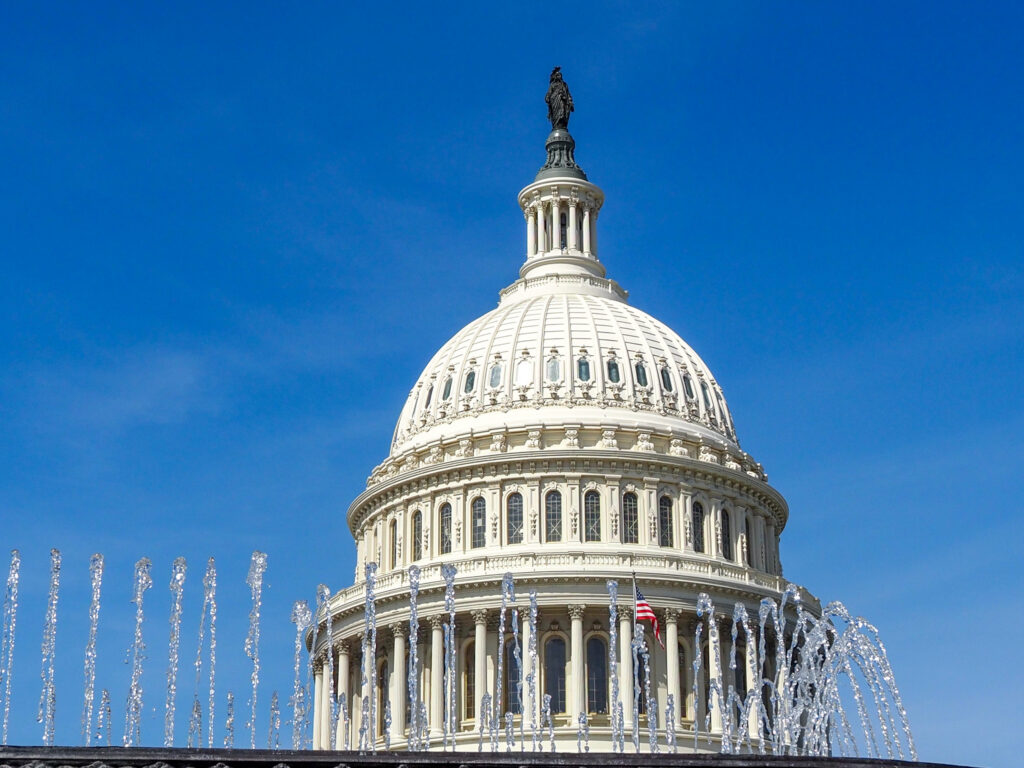
Energy infrastructure in America has long been caught in a web of slow-moving federal reviews, legal challenges, and bureaucratic delays that can stretch projects out for years — sometimes decades. A new bipartisan effort in Congress aims to cut through that gridlock, though not everyone is convinced it moves in the right direction.
A permitting reform bill working its way through Congress has attracted support from both Republican and Democratic lawmakers who argue the current system makes it too difficult and too slow to build new energy infrastructure — whether that means pipelines, transmission lines, or renewable energy installations. Proponents say streamlining the federal permitting process could bring down costs, create jobs, and help the country meet its growing energy demands more efficiently.
Reporting from the Daily Montanan highlights the rare common ground this legislation has found across party lines, at a time when bipartisan cooperation in Washington is increasingly uncommon. The bill reflects a shared frustration among lawmakers that critical energy projects — regardless of their fuel source — are being bogged down in a permitting process that critics say is outdated and ill-equipped for modern energy needs.
What the Bill Would Do
The legislation is designed to speed up the federal review and approval process for a wide range of energy projects. Supporters argue that the existing permitting structure, which can require reviews under multiple federal agencies and take years to complete, creates unnecessary bottlenecks that delay both fossil fuel and clean energy development alike.
Advocates for the bill point out that the United States needs to expand and modernize its energy infrastructure to keep pace with rising electricity demand, support economic growth, and strengthen energy security. In their view, permitting reform is not a partisan issue — it is a practical one.
Environmental Critics Push Back
Despite its bipartisan backing, the bill has drawn sharp criticism from environmental groups and some progressive lawmakers who worry that weakening environmental review requirements could harm communities and ecosystems. Critics argue that the existing review processes — while slow — serve an important function in ensuring that energy projects do not cause undue harm to public health, wildlife, or natural resources.
The debate over permitting reform has become a flashpoint in the broader national conversation about how the U.S. balances energy development with environmental protection. For context on where the major political figures have stood on energy and climate policy, coverage from Jacob Fischler at the Daily Montanan examined how Harris and Trump approached these issues heading into the 2024 election cycle.
Similarly, Ariana Figueroa reported on how housing policy intersects with infrastructure and economic priorities, another area where permitting delays have had real consequences for American families.
A Broader Legislative Landscape
The permitting bill is moving through Congress at a time of significant legislative activity around energy, infrastructure, and economic policy. Jennifer Shutt of the Daily Montanan has tracked how shifts in Congressional control could affect the fate of legislation like this permitting reform effort, with key races determining the balance of power in both chambers.
The outcome of this debate will have tangible effects on energy development across the country — including in states like Montana, where energy production, transmission, and land use questions carry significant economic and environmental weight. Original reporting by David Lightman for the Daily Montanan has followed the bill’s progress and the competing perspectives shaping its reception in Washington.
For readers who want to follow how their own representatives are voting on this and related legislation, the roll-call votes of the U.S. Senate and roll-call votes of the U.S. House are publicly available. Readers can also contact their state lawmakers directly, or register to vote to make their voices heard on issues like this one. Additional coverage and context can be found at the Daily Montanan’s republishing guidelines page, which also outlines how this and other stories may be shared and reproduced.