Debate Intensifies Over North Sea Drilling as Political and Environmental Stakes Rise
Kemi Badenoch’s push to overturn the ban on new oil and gas licences in the North Sea is stirring significant debate, with critics labeling her approach as a “dangerous fantasy.” This move aims to tackle energy prices, but questions arise about its effectiveness in reducing household costs.
Badenoch, a leader within the Conservative Party, intends to advocate for the lifting of the suspension on these licences, which is part of a broader campaign promoting fossil fuel development. However, many are skeptical about the policy’s potential to impact energy bills significantly.
Tessa Khan, from the renewable energy group Uplift, criticized the move as “vapid, political game playing,” emphasizing that drilling would not lower bills, a point acknowledged by some cabinet members. Former Energy Secretary Claire Coutinho admitted that new licences would not necessarily reduce energy costs but could enhance supply security. Coutinho now serves in Badenoch’s shadow cabinet.
The previous Labour government had banned new oil and gas licensing, focusing instead on renewable energy sources. This policy shift comes amidst soaring global oil prices due to tensions in Iran, affecting long-term energy costs.
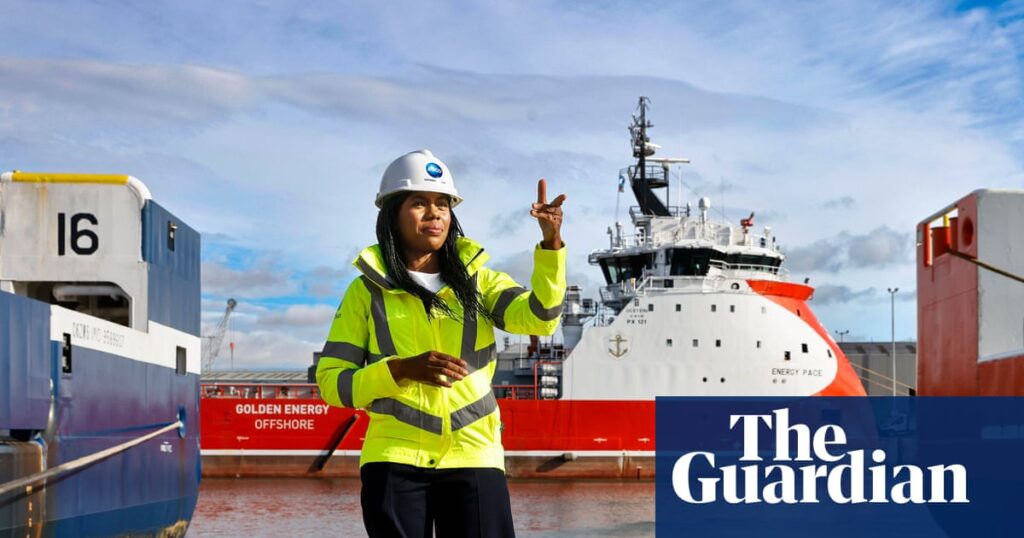
Badenoch’s “get Britain drilling” campaign kicks off on a North Sea oil rig, aiming to bolster support for domestic fossil fuel production. She has argued that such drilling is essential for protecting households from rising bills, a sentiment shared by Reform UK leader Nigel Farage. However, experts contend that North Sea production cannot substantially affect global prices due to its scale.
Research by Uplift and Voar consultancy indicates that numerous licences issued from 2010 to 2024 have only yielded 36 days’ worth of gas. Despite this, Badenoch argues that new drilling efforts are crucial for energy, financial, and national security, as well as job creation and tax revenue generation.
She also calls for the removal of the windfall tax on energy profits and increased financial backing for the fossil fuel industry. Khan criticized this stance as “tone deaf” given public anxiety over rising energy costs, advocating instead for secure, renewable energy jobs.
Claymore oil drilling platform in the North Sea off the coast of Aberdeen. Photograph: Simon Price/Alamy
Greg Jackson of Octopus Energy noted that increased North Sea drilling would have minimal impact on prices, given the UK’s integration with European and global markets. He remarked that while domestic production might offer security, it would not lead to excess capacity to buffer price shocks.
A Labour spokesperson highlighted the Conservative’s lack of control over energy markets, contrasting Labour’s investment in renewable energy to ensure energy security. The ongoing debate underscores the complex interplay between political agendas, environmental concerns, and economic realities in shaping the UK’s energy future.
Original Story at www.theguardian.com