What is Audi’s $4 Billion Investment in the US?
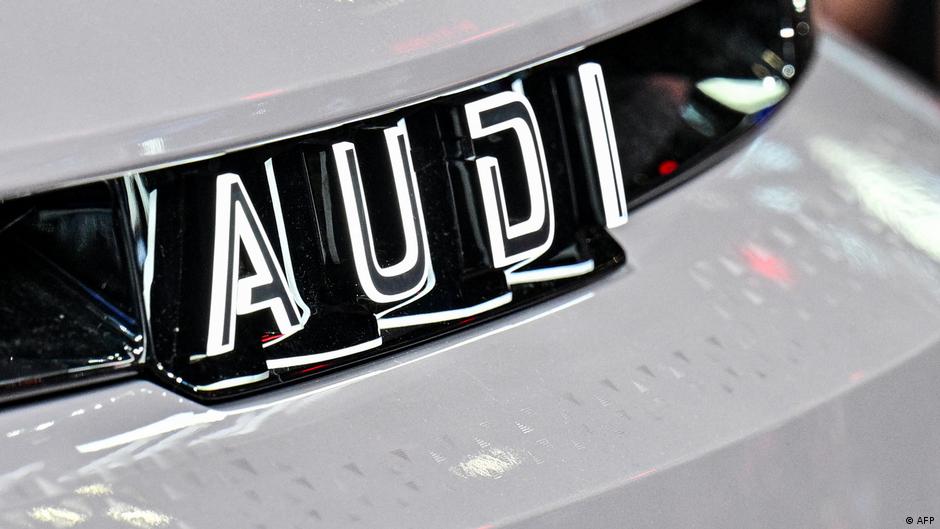
The investment plan by German automaker Audi was announced by US President Donald Trump at a campaign rally in Georgia. This move is significant as it is seen as a boost to the state ahead of the midterm elections. Audi confirmed the plan to establish its first US factory near Macon, Georgia, with a $4 billion investment, which is expected to create around 4,500 jobs.
The construction of the factory is set to begin next year, with the production of up to 200,000 vehicles annually commencing in the early 2030s. Audi aims to manufacture premium SUVs for the American market, underscoring its commitment to one of the world’s most critical premium markets. The initiative comes amid challenges faced by German automakers, including increased competition from China and rising costs.
Reasons Behind Audi’s Decision to Invest in US Manufacturing
President Trump attributed Audi’s decision to his 15% tariffs on European-made vehicles, claiming these tariffs played a role in the investment. Audi’s CEO, Gernot Döllner, emphasized the company’s ambition to expand in the US, stating, “We have much greater ambitions for Audi in America.” The company faces additional costs from tariffs and aims to mitigate these by building a local factory. In 2022, Audi’s US sales dropped by 16%, partly due to tariffs and the removal of electric vehicle subsidies.
Reactions in Germany to Audi’s US Investment
The announcement has sparked significant criticism in Germany, especially given the domestic pressures faced by the auto industry. Audi’s CEO’s presence alongside Trump at the rally drew condemnation from figures like Isabel Cademartori of the SPD and Christiane Benner of IG Metall. Despite criticism, some argue that the US factory could be strategically beneficial for increasing market share in America.
An Audi spokesperson clarified that the investment does not signify a move against Germany but rather a strategy to enhance global competitiveness. Manfred Döss, Audi’s supervisory board chairman, echoed this sentiment, emphasizing the necessity of investment for future growth.
Potential Impact of Audi’s Investment on US Politics
The timing of the investment announcement coincides with the US midterm elections, held on November 3. The decision to announce in Georgia is seen as an effort to bolster Republican candidates in a pivotal state. As Trump continues to push for increased domestic manufacturing, Audi’s decision follows similar moves by other global automakers like Stellantis, Toyota, and Honda.
While the investment alone may not drastically influence voter decisions, it aligns with Trump’s agenda to revitalize US industrial production, fulfilling one of his core campaign promises.
Original Story at www.dw.com