Asia’s Electrification Surge: A Catalyst for Economic Transformation
The intertwining of Asia’s economic ascent and the global shift towards electricity is shaping the energy narrative of the 21st century. As electricity becomes the dominant energy source worldwide, Asia’s rapid growth is inextricably linked to this transformation.
Since overtaking oil in 2007 as the principal energy provider, electricity has seen unprecedented global growth, with Asia leading the charge. Over the past two decades, Asia has accounted for 75% of the increase in global electricity demand. Unlike the West, where economic expansion and electricity usage have decoupled, Asia’s GDP and electricity demand continue to rise in tandem. This region has managed to achieve significant electrification even at lower income levels, marking an unprecedented period of electric-driven growth.
A pivotal shift underpins this growth: the transition from fossil fuels like coal, oil, and gas to renewable technologies such as solar panels, batteries, and wind turbines. This revolution signifies a move from extraction-based energy sources to those driven by manufacturing processes.
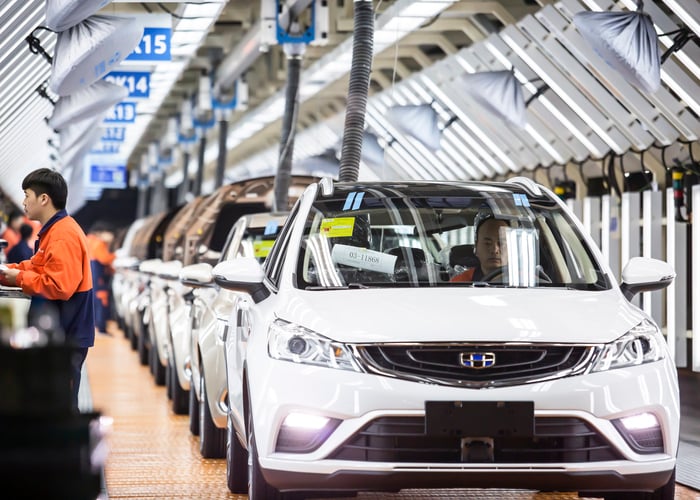
Asia’s role as the “world’s factory” aligns perfectly with this new energy paradigm. The continent is at the forefront of producing solar panels, batteries, electric vehicles, and other essential components of the modern energy system.
This transition echoes historical shifts. The Great Divergence saw the West advance ahead of Asia, powered by innovations in coal and oil. Now, the Great Convergence sees Asia closing this gap through advancements in electricity and related technologies. While Asia’s lack of fossil fuel resources was a disadvantage in the past, it is now an advantage in the electrification era.
China stands out as a key player, but the ripple effects are evident across Asia. Countries like Vietnam, Bangladesh, and others boast electrification rates surpassing those of Europe and the US. Solar energy adoption outstrips that of the US in countries from Pakistan to Japan. Even excluding China, Asia leads the world in solar module and battery component production.
The economic viability of electrotech has improved markedly. A decade ago, solar energy and electric vehicles became more cost-effective than their fossil fuel counterparts. Today, they are cheaper upfront, even without considering fuel savings, paving the way for rapid adoption across capital-scarce economies.
Recent geopolitical events also play a role. The closure of the Strait of Hormuz, a critical oil supply route for Asia, highlighted the region’s vulnerability, similar to Europe’s gas crisis in 2022. These challenges underscore the urgency of adopting electrotech solutions.
Economically, strategically, and industrially, Asia is poised to lead the electrification wave. While it holds only 4% of the world’s oil and gas reserves, it houses 75% of the factories producing electrotech essential for transitioning away from fossil fuels. The energy that powered the West’s Great Divergence is now fueling Asia’s Great Convergence, making the region’s electric future a defining feature of this century.
Original Story at ember-energy.org