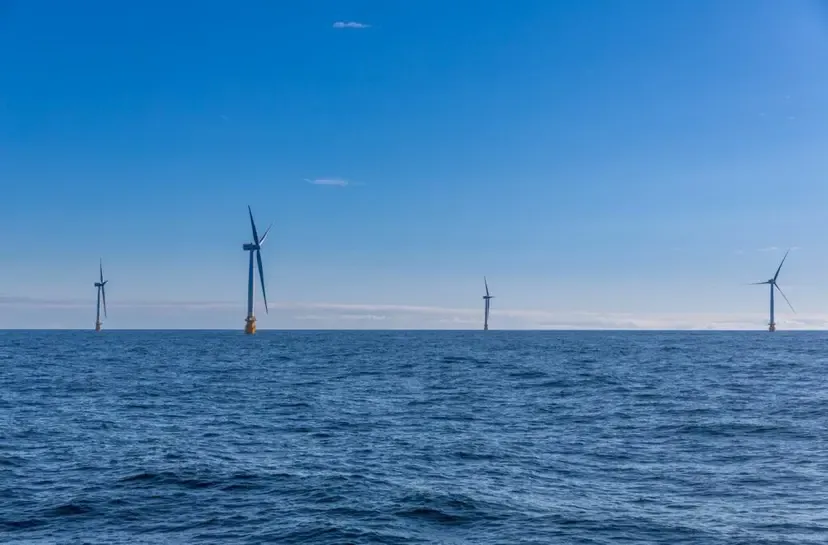
Aberdeen & Grampian Chamber of Commerce urges the UK government to safeguard Scotland’s offshore wind projects, including floating wind, in the upcoming Strategic Spatial Energy Plan (SSEP). The Chamber warns that without action, Scotland risks losing investment, skilled jobs, and supply-chain capabilities as energy companies increasingly seek opportunities abroad.
This appeal is part of the Chamber’s eight-point plan published on November 16, coinciding with its 44th Energy Transition Survey, developed with Johnston Carmichael and D2Zero. The report calls for an urgent reset in UK energy policy to boost business confidence and support sector-wide investment.
The SSEP will outline future locations, capacities, and timelines for electricity and hydrogen generation and storage infrastructure across Great Britain.
Survey findings highlight growing concerns about the UK’s ability to retain energy investment and supply-chain activities. Respondents predict a decline in the UK share of their revenues from 56% to 45% over five years, with confidence in the UK Continental Shelf at a net balance of minus 48 for the next year and minus 57 over five years.
The Chamber indicates these findings show businesses are increasingly targeting more favorable overseas markets.
“Our world-class energy supply chain is increasingly forced to look abroad due to limited projects at home, offshoring essential resources needed for building our clean power future,” said Russell Borthwick, CEO of Aberdeen & Grampian Chamber of Commerce.
“Exporting was once a bonus for these firms; it’s now essential. Being in Aberdeen, once a strategic decision, is becoming emotional – a risky stance for the region’s economy. We’ve already seen firms relocate HQs overseas, which may just be the beginning.”
The survey reveals only 41% of companies actively diversifying, the lowest in three years, while 22% plan to expand oil and gas activities. Oil and gas are expected to account for 60% of business activities in five years.
The Chamber suggests replacing the Energy Profits Levy with the Oil & Gas Revenue Levy before 2030, honoring existing licenses, and revitalizing the Acorn carbon capture project. It calls for accelerated investment by Great British Energy in major North-east projects and establishing a single economic regulator.
Workforce availability is a concern, with over 40% of respondents doubting the UK’s skillset sufficiency in meeting energy transition goals under current trends.
“Engineering expertise takes decades to cultivate. Once lost, it’s hard to regain when new projects emerge. Protecting this knowledge and attracting new talent must be priorities for industry and government,” stated James Gaskell, CEO of Hydrasun, a D2Zero firm.
“Aberdeen has proven its capacity to create world-class businesses and solve engineering challenges. I believe it can continue to compete globally as the energy landscape evolves.”
Original Story at www.offshorewind.biz