The past year was marked by policy changes, natural disasters, and increasing temperatures. Major events in 2025 followed U.S. voters’ decision to elect Donald Trump as President with Republican congressional majorities. The Trump administration significantly rolled back environmental protection rules, exceeding expectations.
Internationally, the U.S. ceded leadership in climate policy, bolstering China’s rising influence. However, progress in solar power and electric vehicles was notable, with China leading in both areas.
January
The year started with wildfires in Los Angeles, displacing thousands. Warm, dry conditions increased fire risk, linked to global temperature rises. Reports indicated the world’s average surface temperature was over 1.5 degrees Celsius above pre-industrial levels, as reported by Bob Berwyn.
On Jan. 20, Trump took office and issued executive orders to expand fossil fuel use, reduce renewable energy support, and weaken environmental regulations.
Environmental advocates lamented the reversal of efforts by the previous Biden administration, as reported by Marianne Lavelle. It’s noted that oil and gas production reached record highs under Trump’s policies.

February
The Trump administration continued to cut environmental regulations. Tesla CEO Elon Musk joined to lead the Department of Government Efficiency, overseeing layoffs and grant rescissions. The Environmental Protection Agency faced layoffs, challenging environmental justice efforts.
Interior Secretary Doug Burgum expanded public land for drilling, weakened bird protections, and hindered wind and solar development. The Energy Department approved a liquefied natural gas export terminal in Louisiana.

March
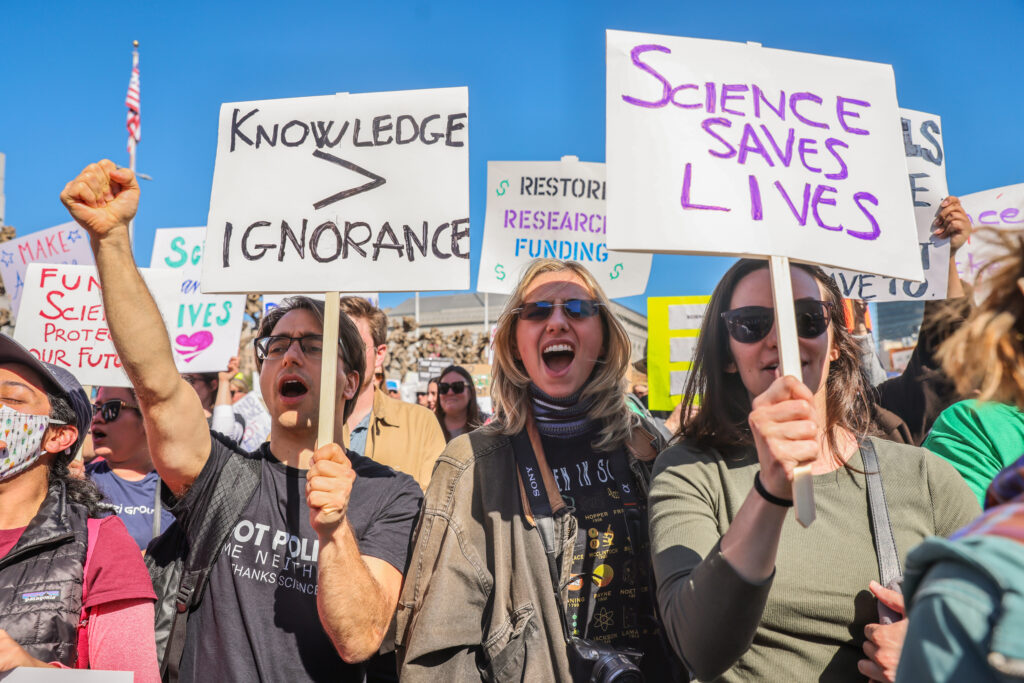
Counter actions to Trump’s policies included lawsuits and demonstrations. Scientists protested against funding cuts, highlighting the potential harm to healthcare and vaccine development.
In Texas, legal battles over groundwater use for residential development showed the economic impacts of water scarcity, as reported by Dylan Baddour.
ICN’s Project China series documented China’s global influence on energy infrastructure, starting with an Argentine dam.

April
As Trump reached 100 days in office, significant government changes had occurred, including layoffs and regulatory shifts. Manish Bapna of the Natural Resources Defense Council criticized these actions as an “assault on the environment.”
ICN reported on the impact of liquefied natural gas exports on emissions, analyzing their significance relative to electric vehicle emissions reductions, by Phil McKenna and Peter Aldhous.

May
The Trump administration proposed reducing Endangered Species Act protections, threatening habitats, reported by Kiley Price and Wyatt Myskow. An executive order promoted deep-sea mining, raising concerns about ecosystem risks.
Pope Francis, a climate advocate, died at 88. His legacy includes addressing climate change impacts on the poor. Bill McKibben called him “perhaps our greatest environmental leader.”
June
The UN held climate talks without a U.S. delegation. American organizations attended to contribute to progress, reported by Bob Berwyn.
Rising heat posed health risks as nighttime temperatures remained high. In Karachi, extreme heat highlighted disparities, reported by Aman Azhar.

July
Trump signed the One Big Beautiful Bill Act, reducing incentives for clean energy and favoring fossil fuels. This legislative achievement suggested a slowdown in the energy transition, hindering wind and solar development, as reported.
PJM Interconnection’s auction led to higher prices for power capacity, impacting electricity bills, reported by Rambo Talabong.

August
UN talks on plastic pollution ended without agreement, disappointing advocates. In Florida, a controversial detention site for migrants faced criticism for its location on sacred land, reported by Amy Green.
September
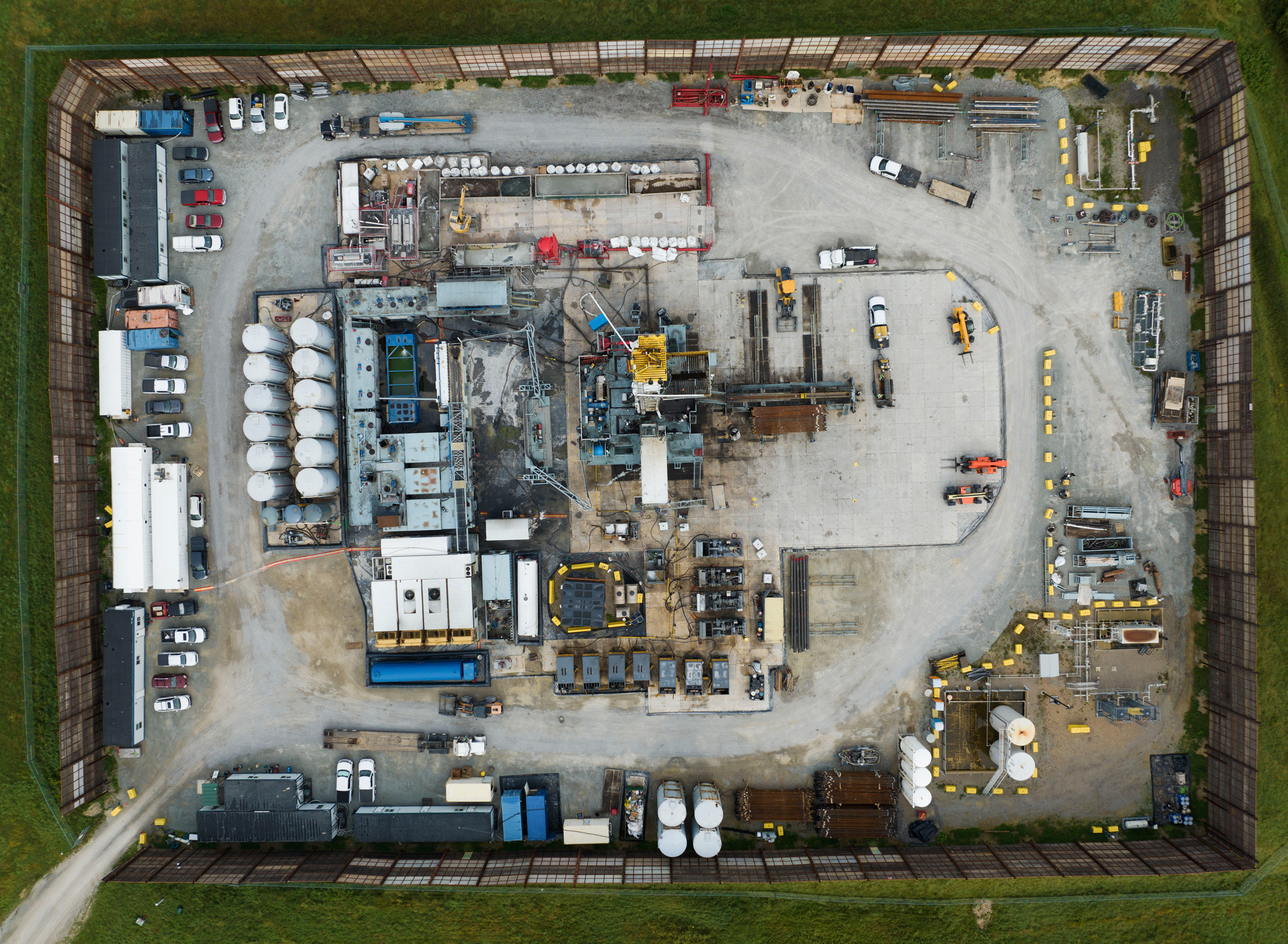
Trump’s address to the UN discouraged climate action, calling renewable energy a “scam.” In Pennsylvania, a fracking boom failed to reduce electric bills, as reported. ICN analyzed electricity rate increases, finding Missouri with the largest percentage hike, reported by Inside Clean Energy.
October
The rise of AI was transforming the U.S. economy, fueling data center growth. Northern Virginia was a global leader in data centers, benefiting from AI expansion, reported by Dan Gearino and Charles Paullin.
AI technologies also advanced discussions on the rights of nature, with scientists using AI to understand sperm whale communications, reported by Katie Surma.

November
Democrats saw success in off-year elections, including gubernatorial wins in New Jersey and Virginia. Zohran Mamdani became New York City’s mayor, focusing on affordability and environmental issues.
Massachusetts postponed climate policy rollbacks to 2026, maintaining its renewable energy leadership. Alabama Power faced scrutiny for high bills and profits, as reported by Dennis Pillion and Lee Hedgepeth.
December
The Trump administration rolled back Biden’s fuel economy standards, facing criticism from environmental advocates, reported by Arcelia Martin. The U.S. lagged as China pushed EV adoption and expanded its automotive influence globally.
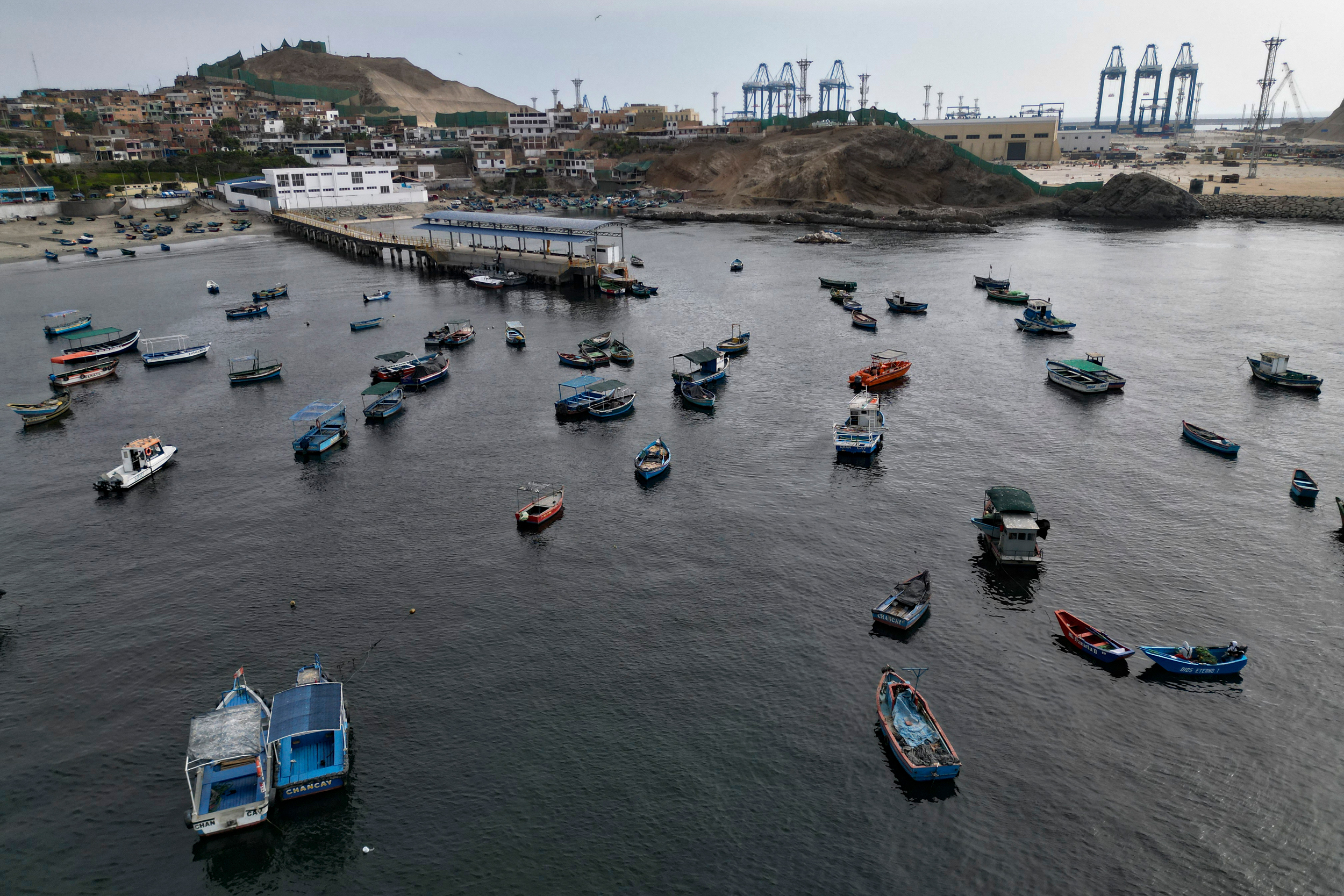
China’s infrastructure investments, including a new port in Peru, threatened the Amazon ecosystem, impacting global climate management, reported by Georgina Gustin.
Iowa lacked tracking for livestock manure, raising environmental concerns, reported by Anika Jane Beamer. The Department of Energy renamed the National Renewable Energy Laboratory, potentially reducing focus on renewables, reported by Inside Clean Energy.
Original Story at insideclimatenews.org