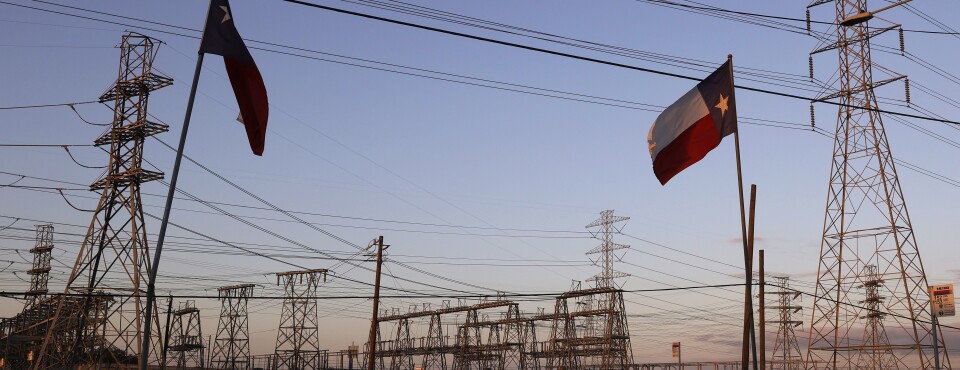
In the midst of evolving energy demands and climatic challenges, Texas stands as a beacon of renewable energy innovation, yet faces hurdles from federal policies. The state’s unique approach of letting market forces dictate energy investments has facilitated robust infrastructure for solar and wind energy, but recent political actions threaten this progress.
Texas has become a leader in renewable energy through a market-driven strategy, enabling the development of extensive transmission lines for solar and wind power. The state’s vast landscapes and favorable conditions have fueled this growth, alongside advancements in battery storage. “Texas is number one in wind and solar not by accident, but because we have the resources, the infrastructure, and the market design to make it happen,” said Matthew Boms of the Texas Advanced Energy Business Alliance.
However, the Trump administration’s call to end clean energy subsidies and restrict federal funding for renewable programs has sparked legal battles, with one Texas county challenging these measures in court. “Infrastructure has been a big part of Texas’ success story in renewables,” stated Sean Gallagher from the Solar Energy Industries Association, acknowledging the threat posed by recent federal actions.
Challenges in the Energy Sector
Renewable energy sources have bolstered Texas’ power grid, particularly during summer peaks. Despite this, concerns loom for the winter months due to federal policies complicating grid expansion efforts. “The lives and livelihoods of Texans are just collateral damage,” said Hannah Malus from Clean Energy for America, criticizing the administration’s energy policy decisions.
Renewables, notably wind and solar, have rapidly grown within the Electric Reliability Council of Texas (ERCOT) system, significantly contributing to meeting the state’s energy demands. For instance, solar energy accounted for 15.2% of demand from June to August, as reported by the US Energy Information Administration.
In a significant legal move, Harris County has filed a lawsuit against the Environmental Protection Agency for canceling a substantial grant intended for solar infrastructure in low-income areas. This action is part of a broader legal pushback involving other states and organizations challenging the withdrawal of funds from the Solar For All program.
State vs. Federal Dynamics
ERCOT, largely independent from other national grids, grants Texas greater control over its energy policies and operations. This autonomy has enabled significant infrastructure development, such as the crucial transmission build-out connecting remote renewable projects to urban centers.
Despite recent legislative attempts to impose new hurdles on renewable energy development, none have succeeded in passing. Proposals like SB 819 and SB 715 aimed to introduce additional permit requirements and advance reliability standards, but were ultimately unsuccessful.
Following the 2021 Winter Storm Uri, which exposed vulnerabilities in the state’s energy infrastructure, Texas has invested in improved weatherization. A federal report highlighted natural gas as the primary source of power outages during the storm, with wind and solar contributing lesser percentages.
“I think that these technologies—wind, solar, storage, demand response—they’re not experiments anymore,” Boms said. “They’re the backbone of the Texas grid and the economy.”
Original Story at news.bloomberglaw.com