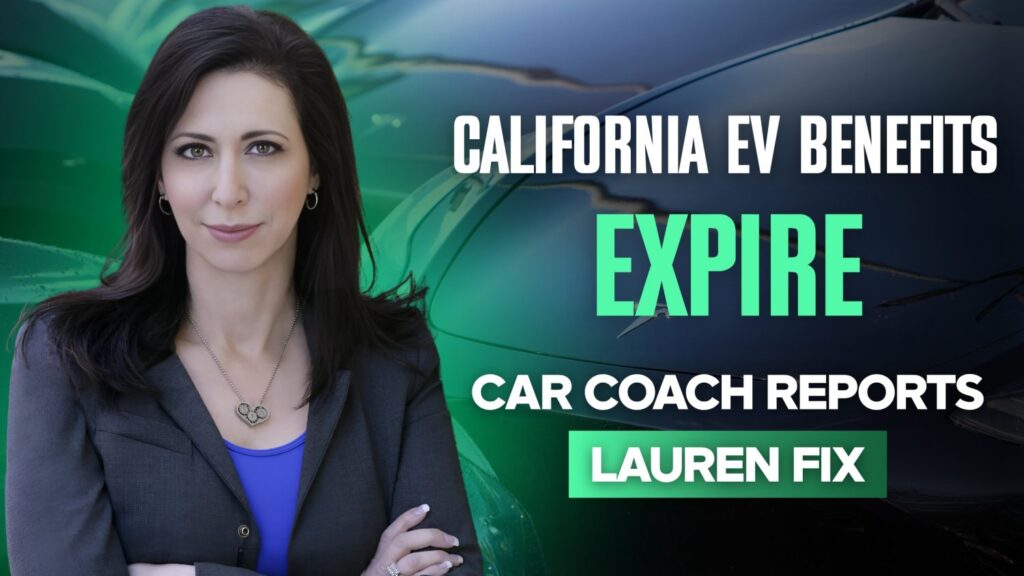
In California, electric vehicle owners have long reaped the benefits of solo access to carpool lanes, a coveted privilege under the state’s Clean Air Vehicle program. This initiative incentivized the adoption of cleaner transportation options, but the program’s significant advantage is coming to an unexpected halt.
As of October 1, California’s Department of Motor Vehicles has stopped accepting new applications for Clean Air Vehicle decals, and existing decals have lost their validity. EV drivers, once free to navigate carpool lanes alone, will now face the same traffic regulations as traditional vehicles. Violating this rule could lead to a fine of up to $490, a stark change for those accustomed to breezing past congested lanes.
The cessation of this program is not a result of state decisions but rather a consequence of federal legislation. The Clean Air Vehicle initiative was part of a 2015 federal transportation law, which included a clause that required congressional renewal. Unfortunately, this extension was never granted, leaving California unable to lawfully maintain carpool lane access for EVs.
Since its inception in 2001, the program has issued over 1.2 million decals, with 512,000 still active this past summer. For many EV drivers, the opportunity to sidestep traffic jams was a driving factor in their vehicle choice, alongside fuel savings and environmental benefits.
Governor Gavin Newsom has expressed frustration with the situation, blaming the inaction of Congress for the setback, which he believes will exacerbate traffic issues and worsen air pollution. California’s air quality remains a concern, as the state is home to five of the nation’s ten most polluted cities, according to the American Lung Association. Removing incentives for EV adoption may hinder the state’s climate goals at a critical time.
The political landscape surrounding EV incentives has shifted significantly, resulting in less bipartisan support. Under former President Donald Trump, California’s ability to set its own emissions standards was revoked, and federal EV incentives were curtailed. Moreover, recent efforts have been made to reverse California’s regulations, including its 2035 ban on new gas-powered vehicles.
Despite these challenges, California continues to push for electrification. Electric vehicles made up 25% of new car sales in 2024, the highest in the United States. The state has implemented ambitious EV sales quotas and surpassed the number of gas stations with EV chargers. While state lawmakers passed legislation to extend the Clean Air Vehicle program until 2027, federal approval remains a necessary hurdle.
The abrupt end to carpool lane access for EVs raises questions about the balance between incentives and mandates. Many Californians purchased EVs with the expectation of long-term HOV lane access, and the sudden change could diminish trust in state-sponsored incentives. Additionally, the influx of vehicles into general traffic lanes may increase congestion, undermining the original goal of reducing emissions and traffic.
Some argue that the program was always intended to be temporary, meant to boost the initial adoption of EV technology. Given the current success of EV sales, these incentives may have already fulfilled their purpose, but the debate over fairness and necessity continues as EVs become more mainstream.
California officials view the program’s termination as part of a broader federal resistance to their climate initiatives. While EV popularity has grown, the need for comprehensive tools to combat pollution is still pressing. Without federal cooperation, the state’s ability to pursue its climate policies remains limited.
For EV drivers, the situation presents a practical challenge. With the loss of carpool privileges, they face potential fines and the end of toll program discounts tied to Clean Air Vehicle tags. The broader implication is a reminder of the complexities involved in the transition to electric vehicles, where state ambitions and federal policies are often at odds.
The immediate impact is clear: starting October, California’s EV drivers will join regular traffic lanes, while the policy debate continues. The future will depend on how lawmakers reconcile environmental objectives, commuter needs, and political priorities. The termination of California’s Clean Air Vehicle program marks a significant shift in America’s approach to incentivizing electric vehicles, reminding drivers that government policies can change with little warning.
You can support me by buying me a cup of coffee. Thanks for subscribing and your support! https://www.buymeacoffee.com/laurenfix
Looking for more automotive news? https://www.CarCoachReports.com
Total Car Score Podcast ► https://www.revolverpodcasts.com/shows/total-car-score/
Original Story at www.cbtnews.com