In the bustling city of Antalya, Turkey, an estimated 100,000 attendees have converged for the COP31 climate summit, with buses and trains packed to capacity. This global gathering is dedicated to addressing climate change, although some, like fossil fuel lobbyists, have different agendas.
Despite its importance, the summit faces competition for attention from other pressing global issues. Political tensions and conflicts, such as those in Iran, Ukraine, and Gaza, have shifted focus away from climate action.
Political and Economic Distractions
Global conflicts have inadvertently influenced climate policy, sparking debates on energy security and boosting interest in electric vehicles due to rising oil prices. Yet, state security has overshadowed climate concerns, as seen in Australia’s commitment to the AUKUS partnership, estimated at A$368 billion, contrasting sharply with its climate funding.
Australia’s climate investments are modest in comparison, including A$50 million to the Green Climate Fund and similar sums to other climate initiatives. Nonetheless, its subsidies for fossil fuels overshadow efforts in renewable energy.
Public and Political Priorities
For developing nations, climate change remains a critical issue, particularly for Pacific countries facing potential devastation from exceeding the 1.5°C warming target. However, in wealthier nations, urgent concerns like cost-of-living pressures have relegated climate change down the list of priorities.
In places like the US and New Zealand, economic issues have dominated political agendas, with analysts noting rampant inflation in wealthier nations, influencing public opinion and reducing support for robust climate action.
Competing Global Events
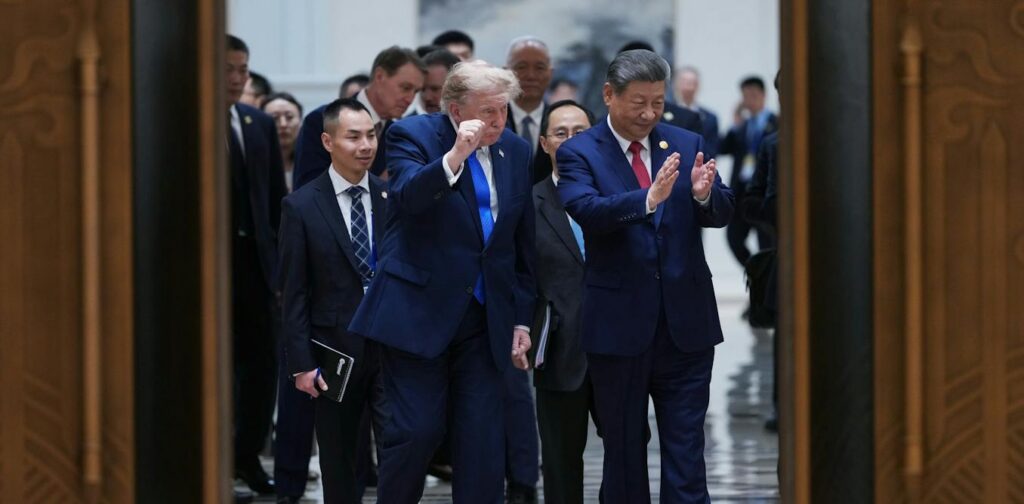
The COP31 summit coincided with the Asia-Pacific Economic Cooperation (APEC) meetings, drawing key leaders away from Antalya. Figures such as China’s Xi Jinping, Russia’s Vladimir Putin, and US President Donald Trump attended APEC, diverting media attention from COP31 despite the climate summit’s critical significance.
The absence of these leaders highlights the challenge of prioritizing climate change on the global stage, especially as countries responsible for significant greenhouse gas emissions focus elsewhere.
Challenges and Future Prospects
Recent reports indicate a likely overshoot of the 1.5°C target by 2030, underscoring the urgent need for action. Yet, traditional security concerns and economic pressures threaten to overshadow climate commitments. The outcome of COP31 remains uncertain as nations grapple with competing priorities.
Original Story at theconversation.com