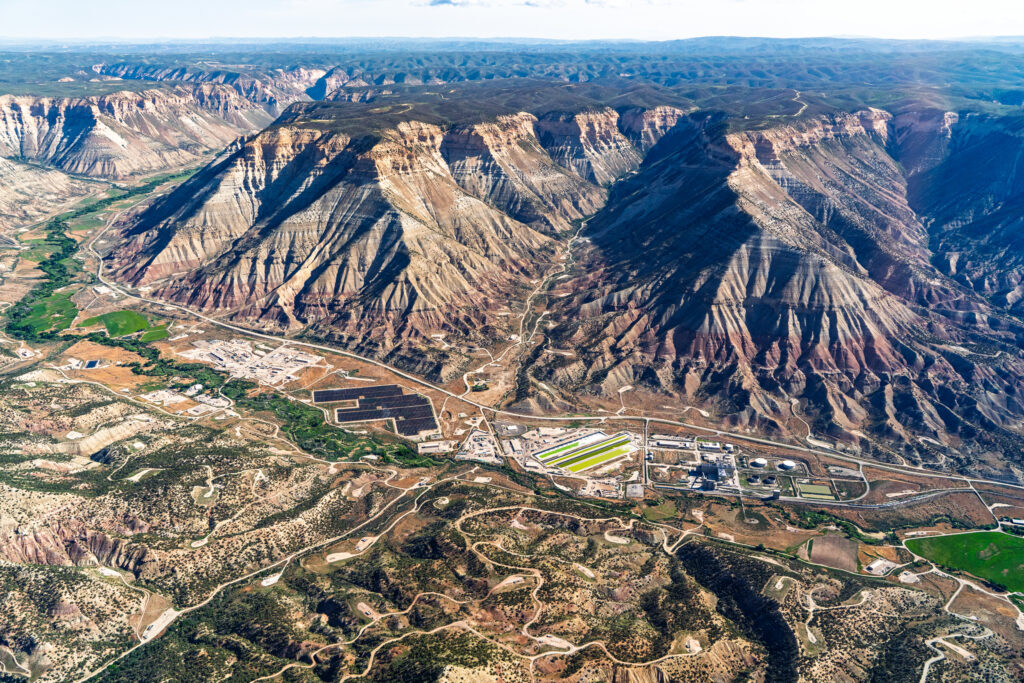
Nearly a decade after an agreement between the Bureau of Land Management (BLM), conservationists, and local governments protected about 90% of the Roan Plateau in Western Colorado from gas drilling, those protections are being revisited under the Trump administration’s initiative to open more public lands for resource extraction.
Originally, the BLM proposed oil and gas development permits on the plateau in 2007, leading to protests and legal challenges from environmental groups, hunters, and anglers. In 2008, the BLM auctioned 55,186 acres of the Roan Plateau for fossil fuel extraction, raising over $114 million—then the highest revenue from a single lease sale in the contiguous U.S.
In 2012, a U.S. District Court judge in Denver ruled that the BLM had not properly followed protocol in developing the leasing plan, ordering an update after further analysis of air quality impacts and consideration of an alternative plan, the “Community Alternative.” By 2014, a settlement was reached, canceling all but two leases on the plateau’s top.
These protections are now uncertain. The Trump administration’s drive for increased resource extraction has reopened the possibility of development on previously protected lands. This December, the BLM will offer four parcels atop the Roan as part of the quarterly statewide lease sales mandated by the 2025 One Big Beautiful Bill Act.
“There was such broad consensus in this local community to protect this special place,” said Chris Winter, a natural resources and environmental lawyer from the University of Colorado Law School. “And then the administration can override that consensus. That should concern everyone across the West.”
Not all in the region oppose more drilling. Wade Haerle, Executive Director of Club 20, supports leasing, citing its importance for local economies and belief in coexisting land uses.
East/West Divide
The Roan Plateau, rising 3,500 feet above the Colorado River Valley, sits atop the Piceance Basin, a heavily drilled natural gas field. The western top is privately owned and industrialized, while the public land to the east remains largely untouched.
Mule deer and elk migrate across the plateau. Streams designated as “Outstanding Waters,” like East Fork Parachute Creek, host genetically pure Colorado River cutthroat trout, now threatened by proposed leases.
Giving Industry Leverage on Public Lands
The 2025 One Big Beautiful Bill Act changed federal open space leasing from a discretionary to a mandatory process, favoring industry. Lease sales are now required quarterly, with land agencies unable to withhold nominated parcels. Stipulations from the 2016 management plan govern new leases, though updates incorporating new science or stakeholder input are restricted.
New findings, such as a 2017 study on energy development impacts, cannot be integrated into lease stipulations. The BLM follows existing plans, some outdated, for decision-making, often taking years to revise.
A Broadly Celebrated Agreement Torn Apart
In 2014, a pivotal settlement with Bill Barrett Corp. and others halted the Roan’s first leasing war, canceling 17 leases and closing about 34,000 acres to new leasing. However, the One Big Beautiful Bill Act now requires nominated lands to be offered for lease within 18 months, based on older plans.
New leases could last a decade or more if enough resources are produced. As the plateau becomes an island of intact habitat amidst development, concerns grow for rare species like a unique strain of cutthroat trout and vital deer and elk habitat.
Building infrastructure disrupts ecosystems, raising stream temperatures and impacting wildlife migration and breeding. The Roan Plateau provides critical habitat, yet new drilling threatens its ecological balance.
Limiting Public Participation
The BLM’s proposed Oil and Gas Leasing rule could reduce public input in leasing decisions, eliminating earlier public comment stages. This might diminish protections for areas like the Roan Plateau. The rule is not yet finalized.
Local input is crucial, says Winter, yet the ability for stakeholders to influence decisions is being curtailed. The BLM announced a December lease sale after closing the comment period in September, amidst ongoing debate over public lands’ future.
Original Story at insideclimatenews.org