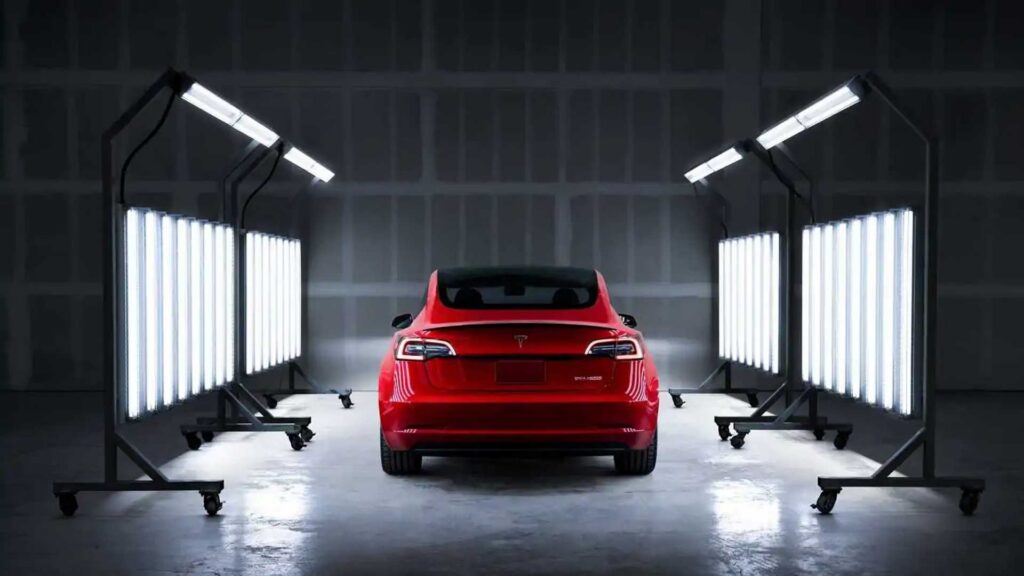
Exploring the Maintenance Needs of Electric Vehicles: A Focus on Tesla Model 3
Electric vehicles (EVs) have been praised for their lower maintenance costs compared to traditional gas-powered cars. While they may require a higher initial investment, the absence of routine engine maintenance tasks such as oil changes and emissions tests offers long-term savings for owners. However, EVs are not entirely maintenance-free, and understanding their unique upkeep needs is essential for longevity.
Although electric vehicles lack traditional engines and transmissions, they still possess components like brake fluid, brake pads, and coolant, which require attention. Additionally, specialized tires, like ERANGE EV tires, are designed for electric and hybrid vehicles, offering benefits such as reduced road noise and extended driving range.
Maintenance of the Tesla Model 3
The Tesla Model 3, a popular electric model, exemplifies the maintenance needs of EVs. Tesla recommends several routine checks and replacements to ensure optimal performance and warranty validity. For instance, Tesla advises replacing the High-Efficiency Particulate (HEPA) and carbon filters every three years. Regular brake fluid tests determine if moisture contamination necessitates fluid replacement, while brake calipers should be cleaned and lubricated, especially in regions with winter road salt.
Tesla’s advanced driver assistance systems rely on unobstructed camera views, making windshield cleanliness crucial. Owners can check the Maintenance tab on the infotainment system for cleaning needs. Tire maintenance is another significant aspect, as EVs exert more pressure on tires due to acceleration and brake regeneration. Tesla suggests rotating tires every 6,250 miles and monitoring tread depth to ensure safety.
Beyond Tesla’s Recommendations
Some maintenance practices, while not explicitly recommended by Tesla, are considered beneficial by experts. These include changing the transmission fluid in the drive unit every 100,000 miles and regularly checking the coolant for contamination. Rubber bushes, which may degrade over time, also require inspection and potential replacement.

Servicing Options for the Tesla Model 3
Tesla’s authorized service centers handle maintenance under warranty, but post-warranty, many tasks can be performed by owners or independent EV shops. Tesla provides detailed service manuals online, enabling DIY enthusiasts to undertake routine checks and repairs. Independent service centers often offer maintenance at lower costs, but Tesla’s own facilities remain available for inspections and repairs.
For further insights, explore Tesla’s service manuals, which detail maintenance procedures and guidelines.
Original Story at insideevs.com