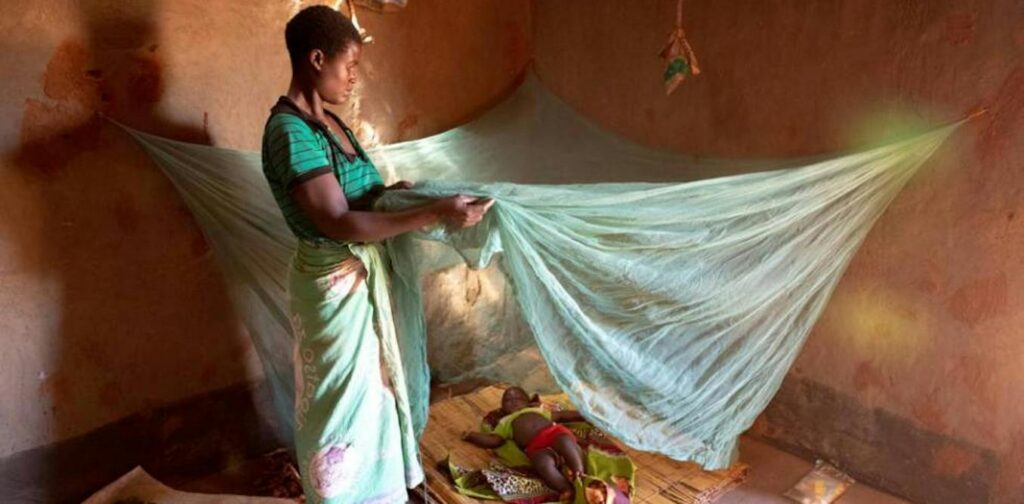
The battle against malaria in the Southern African Development Community (SADC) is facing significant challenges, as recent data indicates a troubling increase in cases. This alarming trend reverses years of progress in the region and raises concerns about the future of malaria control and elimination efforts.
Countries like the Democratic Republic of Congo, Mozambique, Angola, and Tanzania are among those with the highest malaria burdens globally. These nations contribute to 22.9% of the worldwide malaria burden, measured by new cases per 1,000 individuals at risk annually. This statistic underscores the immense challenge faced in these regions.
The World Health Organization’s (WHO) goal to eliminate malaria by 2030 is becoming increasingly difficult to achieve. The SADC region requires a concerted effort to address multiple simultaneous threats that demand urgent and effective responses.
Malaria programs are currently stretched thin, with limited resources to combat the disease. The unpredictable global health funding landscape exacerbates this issue, heavily relying on donor contributions. While South Africa primarily funds its own initiatives, most other African nations do not have this financial autonomy.
Climate change has compounded the issue, with extreme weather events increasing the risk of disease spread. Preparing for and responding to these events is crucial for countries in the region.
Adding to the complexity, drug and insecticide resistance persists, compromising the effectiveness of malaria treatments. Establishing genomics hubs to monitor parasite responses is essential for effective intervention.
Funding Cuts
The abrupt cessation of U.S. government funding for malaria control activities in 2025 has intensified financial challenges. This development complicates efforts by the Global Fund, which aims to secure an $18 billion replenishment for Grant Cycle 8. With an average 18% reduction in country allocations for 2026-2028, nations must prioritize interventions, often at the expense of less vulnerable populations.
Consequently, several countries, including Mozambique, Nigeria, and Uganda, have witnessed an increase in malaria cases, highlighting the vulnerabilities of programs heavily dependent on donor funding.
Impact of Climate Change
The La Niña weather system in early 2026 led to severe flooding in the SADC region, damaging infrastructure and displacing communities. This situation has exacerbated malaria cases in countries like Zimbabwe, Mozambique, and South Africa. For instance, Mozambique reported a 55% rise in cases in the first six weeks of 2026 compared to 2025.
Displaced populations, including migrants, often cross borders seeking essential services, straining already overburdened healthcare systems and increasing the risk of drug shortages. In 2025, there were approximately 11.4 million forcibly displaced individuals in the SADC region, a 35% increase from 2023.
Effective early warning systems and regional cooperation are critical to address extreme weather events, population displacement, and infectious disease outbreaks.
Persisting Challenges
Scientists have confirmed that in some areas, recommended malaria treatments have become less effective due to genetic changes in the parasite. However, not all SADC countries have the capacity to conduct detailed genetic analysis. Establishing regional hubs for genomic surveillance would allow for the early detection of resistance signals, reducing the risk of drug-resistant outbreaks.
Despite training initiatives like the E8 entomological fellowship, there remains a shortage of skilled entomologists in national malaria programs. This challenge hampers efforts to monitor mosquito populations and assess insecticide resistance, limiting the ability to implement appropriate vector control measures.
Getting Back on Track
To achieve malaria elimination by 2030, the SADC region must increase domestic funding to fill gaps in interventions and support crucial elimination activities. Without action, malaria cases are likely to rise in certain areas.
Leveraging existing mosquito specialists for peer learning and capacity building, as well as utilizing genomic hubs for insecticide resistance monitoring, is vital. Regional collaboration and coordination are imperative to overcome the challenges posed by interconnectedness and shrinking health budgets.
Original Story at theconversation.com