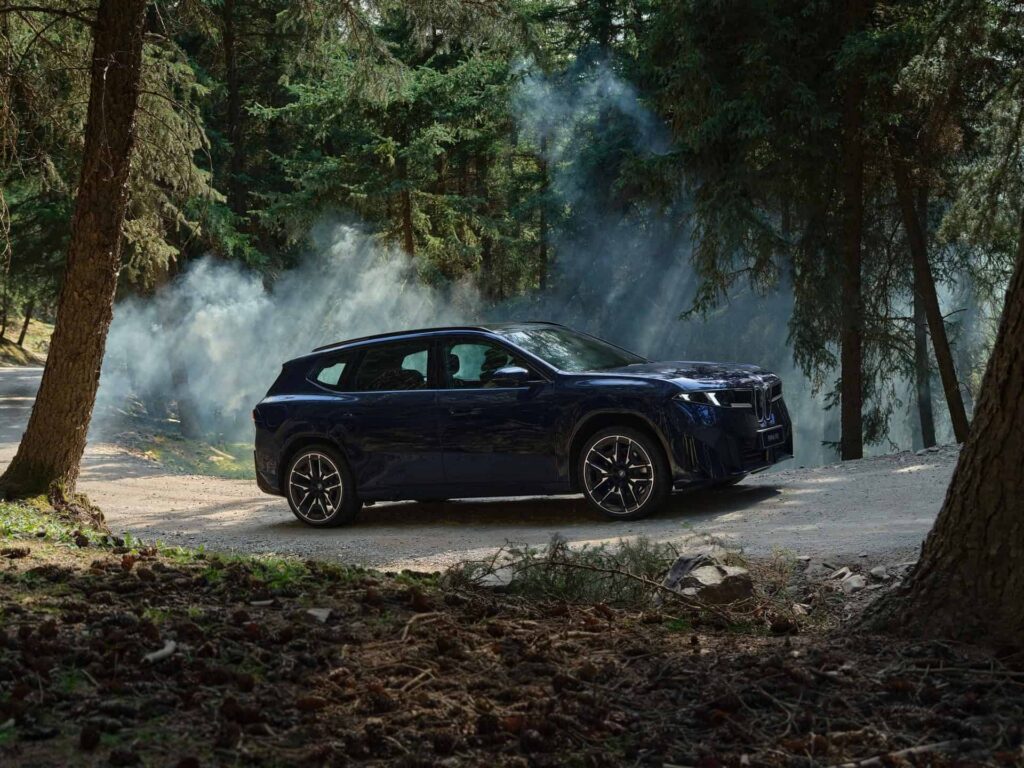
BMW’s CEO outlines plans for integrating lithium-iron-phosphate (LFP) batteries into certain EVs, beginning with the iX3 in China.
BMW’s Dual Battery Strategy for Future EVs
In a bid to diversify its electric vehicle offerings, BMW is set to incorporate lithium-iron-phosphate (LFP) batteries alongside its current use of nickel-manganese-cobalt (NMC) batteries. This strategic move was detailed by CEO Milan Nedeljković during the company’s Q3 2026 earnings call, where he underscored the benefits and limitations of both battery types.
The CEO emphasized that while NMC batteries offer superior energy density and range, LFP batteries present a cost-effective alternative with better durability and thermal stability. However, the lower energy density of LFP batteries means they are less suitable for vehicles where extended range is a priority.
Cost-Effective and Durable: LFP Batteries
BMW’s decision to include LFP batteries is largely driven by their affordability and longevity. Production costs for LFP batteries are typically 20% lower than those for NMC batteries, making them an appealing choice for entry-level models. Moreover, LFP batteries are known for their longer lifespan and resistance to overheating, although they do require more space and weight to provide equivalent energy storage.
NMC for Performance, LFP for Affordability
Despite the advantages of LFP batteries, BMW plans to retain NMC technology for higher-end models that demand greater performance and range. NMC batteries, composed of nickel, manganese, and cobalt, offer a compact and lightweight solution ideal for premium vehicles.
China’s iX3: A Case Study
BMW’s approach is exemplified by the China-exclusive iX3 30L, which utilizes an LFP battery. This entry-level electric SUV features a 77-kWh battery and boasts a range of 630 kilometers (391 miles) according to the CLTC testing cycle. Priced at RMB 269,900 (approximately $40,000 or €34,300), it demonstrates how LFP technology can make electric vehicles more accessible to cost-conscious consumers.
While the iX3 30L uses LFP batteries, its more expensive counterparts, the iX3 40L and 50L, continue to employ NMC technology. This dual strategy allows BMW to cater to a diverse range of consumer needs, balancing cost and performance across its EV lineup.
Future Prospects
Though specifics regarding the expansion of LFP battery use in BMW’s global models were not disclosed, Nedeljković’s comments suggest a continued commitment to a mixed battery strategy. This would enable the automaker to offer varied electric vehicle options, catering to different markets and consumer preferences.
Original Story at www.bmwblog.com