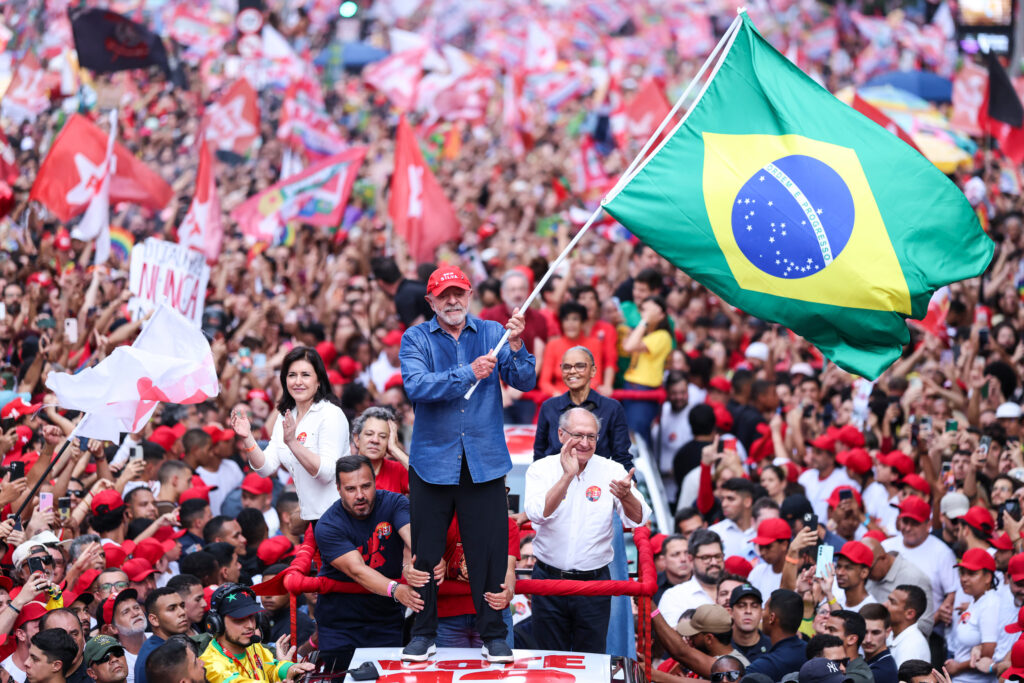
In a significant turn of events for environmental conservation, the re-election of Luiz Inácio Lula da Silva as Brazil’s president has been hailed as a victory for the Amazon rainforest and global climate efforts. His narrow win over Flávio Bolsonaro has sparked optimism among climate advocates who feared detrimental changes to environmental policies.
With Lula, who will soon turn 81, securing another term, he is poised to continue his mission of halting deforestation by 2030. This initiative follows a notable 36 percent reduction in deforestation in the Brazilian Amazon from August 2025 to March 2026, marking the most significant slowdown in recent years. Further details on deforestation trends can be found here.
The Amazon, with nearly 20% already deforested, faces critical challenges as it approaches a potential tipping point. The consequences of continued deforestation, exacerbated by climate change, could lead to severe drying of the region and an acceleration of global climate change.
Carlos Nobre’s Perspective
Professor Carlos Nobre from the University of São Paulo emphasizes the urgency of the situation. “The reduction in deforestation over recent years has been crucial, but much more needs to be done,” Nobre stated, underscoring the importance of the next four years in safeguarding the Amazon and climate stability globally.
Despite these efforts, activities such as oil drilling, mining, and industrial agriculture persist, impacting local communities and environmental defenders. Lula’s administration remains committed to international climate diplomacy, especially following Brazil’s hosting of COP30 in 2025, reinforcing its commitments under the Paris Agreement.
In a significant move, November 2025 saw Lula’s government officially recognize 20 Indigenous territories, encompassing over 6 million acres. This recognition grants communities stronger legal protections against exploitation and land seizure.
Activists continue to urge Lula to accelerate the recognition of additional Indigenous territories, curb the use of illegally deforested land by agricultural businesses, enhance protection for environmental defenders, and halt projects threatening environmental progress.
Challenges Ahead
Maurício Voivodic, executive director of World Wildlife Fund Brazil, warns that political hurdles remain, as Bolsonaro’s far-right Liberal Party gained significant representation in the National Congress. An analysis by Observatorio do Clima reveals nearly 70% of the newly elected lawmakers have limited alignment with environmental policies, posing potential threats to legislative progress.
Meanwhile, Flávio Bolsonaro continues to champion the populist agenda of his father, Jair Bolsonaro, who is currently in prison. Jair Bolsonaro’s tenure saw a dismantling of environmental regulations, with 2019 marking a peak in deforestation levels since satellite monitoring began.
Brad Adams of Climate Rights International acknowledges the reprieve Lula’s re-election offers, but cautions that “the forests and their defenders are still at risk, and Lula should now double down on efforts to protect them.”
Original Story at insideclimatenews.org