Maryland Launches Initiative to Boost Renewable Energy Development
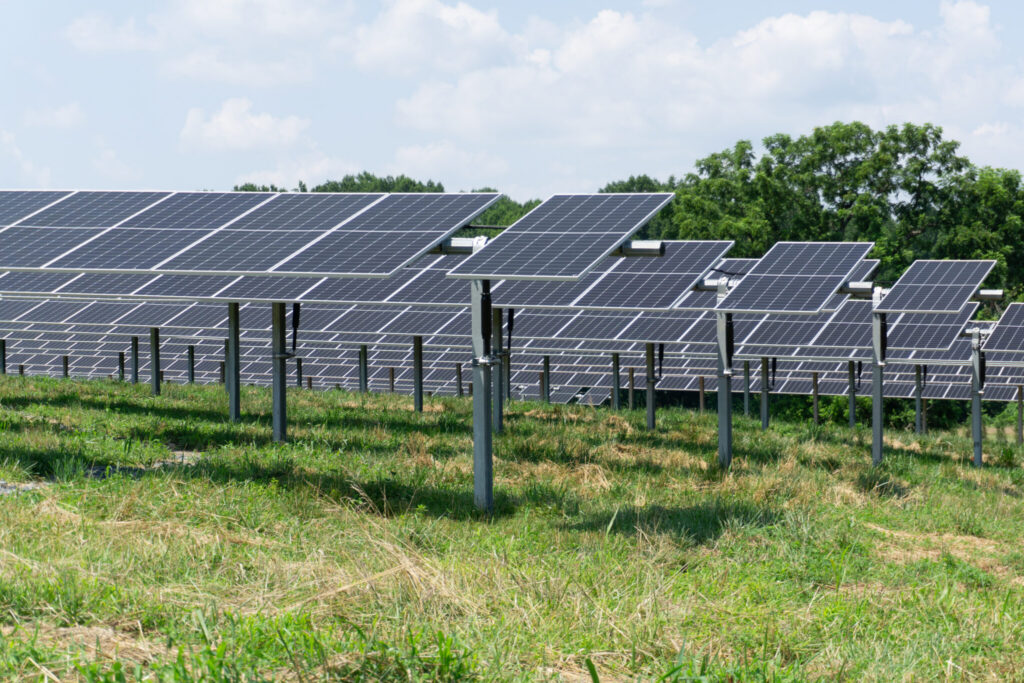
In a significant move to enhance its renewable energy landscape, Maryland has opened applications for a new grant program aimed at supporting solar, wind, and battery storage projects. The program, named Megawatts for Maryland, is backed by a $200 million fund established by the state’s General Assembly earlier this year.
This grant funding targets projects that have cleared initial development hurdles such as property acquisition and regulatory applications with the Maryland Public Service Commission or the regional grid.
“We want to make sure that these are real projects,” Kelly Speakes-Backman, Director of the Maryland Energy Administration, emphasized.
The distribution of these funds will occur through a competitive auction process, prioritizing projects that offer the highest megawatt-hour output per dollar. Projects must be operational within a seven-year window post-grant receipt, with the ultimate goal of reducing electricity costs by expanding supply.
Kelly Speakes-Backman noted, “This program is an investment in energy affordability for Maryland in the medium to long-term. This is not going to be something that impacts our bill tomorrow.” She also mentioned that the collective output is projected to provide power for approximately 150,000 homes annually.
The annual $100 million fund derives from “alternative compliance payments” made by electricity suppliers who do not meet state renewable energy portfolio requirements. With escalating demands for solar energy, these payments have increased, providing additional resources for initiatives like the Megawatts for Maryland program, despite some opposition from political and environmental groups.
Governor Moore stated, “We’re using every tool at our disposal to bring Marylanders relief as energy costs skyrocket in our region and across the country. This program will tackle rising electricity demand with cleaner, cheaper, in-state energy generation that will drive down costs for the long-term.”
The program also aims to counterbalance the loss of investment tax credits for renewable energy projects following former President Donald Trump’s administration’s actions. Speakes-Backman remarked, “It’s not going to necessarily fully replace the ITC [investment tax credit], but I don’t think it’s just like a drop in the bucket, either. This is a really big deal: $200 million toward in-state generation through a grant process.”

Developers interested in the Megawatts for Maryland program must submit initial applications by November 30. Eligible developers will then have until January 22 to submit formal bids. The application process includes notifying local officials and outlining community engagement strategies.
Ultimately, project selection will focus solely on the efficiency of energy production relative to cost, according to Speakes-Backman. The program, part of this year’s Utility RELIEF Act, is designed to benefit Maryland residents by increasing renewable energy availability and reducing utility expenses.
“Lowering costs for Maryland families remains our top priority,” stated Senate President Bill Ferguson. “That’s why we passed Megawatts for Maryland last session — to bring more clean, renewable energy onto our grid, increase supply, and help lower utility bills.”
Original Story at marylandmatters.org