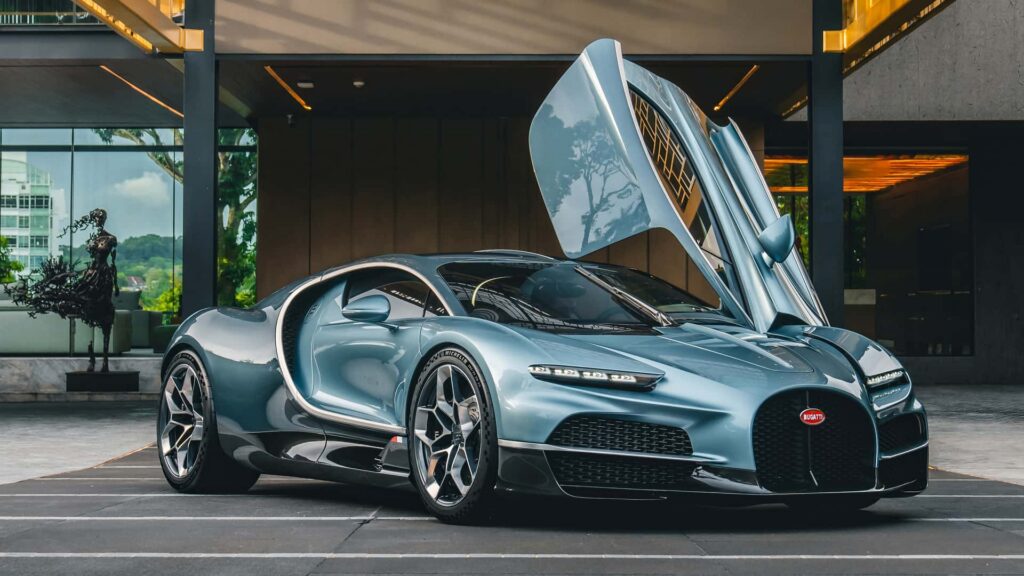
The Bugatti brand, renowned for its high-performance vehicles, is venturing into a new era. While the Volkswagen Group envisioned an electric successor to the iconic Chiron, Mate Rimac, CEO of Bugatti Rimac, proposed a groundbreaking alternative: a hybrid hypercar powered by a naturally aspirated V16 engine. This decision challenges the prevailing trend towards full electrification within the automotive industry.
Upon acquiring Bugatti in partnership with Porsche in 2021, Rimac faced pressure to align with Volkswagen’s post-Dieselgate strategy of electrification. The initial expectation was to capitalize on Rimac’s expertise in electric powertrains by developing an all-electric hypercar. However, Rimac’s vision diverged significantly from this path.
Innovation Over Simplicity
Rimac expressed his rationale in an Automotive News Europe interview. He noted that the simple solution would have been to rebrand the Nevera as a Bugatti. “When we started discussing with VW about our ownership of Bugatti and the future of Bugatti, they were pushing me to make the next Bugatti electric,” Rimac explained. Despite the benefits of electrification, he believed a new hybrid model would offer customers something unique.
“On paper, it could be Bugatti [on the Nevera’s platform], right? Plus, it would be a lot easier than doing a completely new car with a new combustion engine. However, that is what I ended up doing with the Tourbillon because based on the feedback from the market on the Nevera I realized the market was going in a different direction,” Rimac stated.
Rimac’s experience with the Nevera, a 1,914-horsepower electric hypercar, highlighted the limited demand for ultra-expensive EVs. Despite its performance, only 71 of the planned 150 units were sold, reinforcing Rimac’s decision to pursue a hybrid model.
A Unique Identity for Bugatti
The result of Rimac’s innovative approach is the Cosworth-powered Tourbillon. This model distinguishes Bugatti from Rimac Automobili by combining electrification with the traditional allure of a V16 engine.
Notably, the Tourbillon has been met with enthusiasm, with all 250 units already sold. This success underscores the appeal of Rimac’s hybrid strategy, which deviates from Volkswagen’s electric vision for Bugatti.
The Future of Bugatti
With Porsche having sold its stakes in Bugatti Rimac and Rimac Group, Bugatti is now charting an independent course. Rimac teases an exciting future for the brand, stating, “There are so many cool Bugattis we have planned in the product portfolio. We know what we want to bring to the market for the next 10 years.”
“I’m so excited. I can’t wait to show this to the world because what we are doing is incredible. It’s fine art on four wheels,” Rimac expressed, hinting at a decade’s worth of new models.
This new direction promises to redefine Bugatti’s legacy, presenting a blend of tradition and modernity. Even as Bugatti pursues this hybrid future, the VW Group continues to cater to high-performance enthusiasts through brands like Lamborghini and concepts such as the Porsche Mission S.
The automotive world eagerly anticipates Bugatti’s next moves, wondering what innovations Rimac will unveil to continue the brand’s storied history.
Original Story at www.motor1.com