GM to Close Brownstown Battery Plant, Shifts Focus Amid Changing Market Dynamics
As General Motors (GM) pivots its strategic focus, the automaker is set to close its Brownstown Battery Assembly plant, a move that underscores the challenges faced by the electric vehicle (EV) market and alternative fuel technologies. This decision comes as the lease for the Brownstown facility nears its end, prompting GM to repurpose another building initially intended for hydrogen fuel cell development, according to a report from Automotive News.
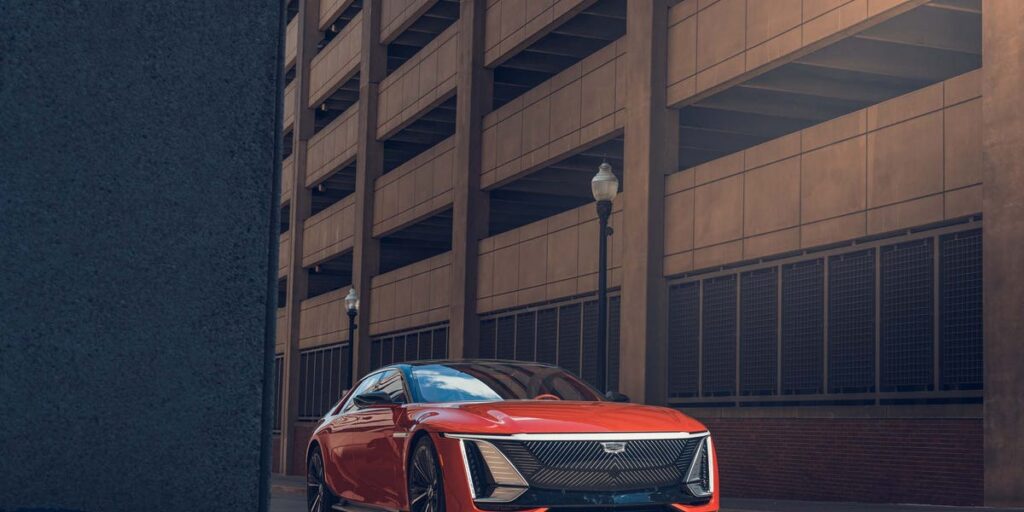
The Brownstown plant has played a crucial role in producing batteries and electric drive units for notable models like the Cadillac Celestiq and the Corvette E-Ray. However, with GM’s shift back to gasoline engines, the plant’s significance is dwindling as the industry grapples with diminishing consumer interest in electric vehicles.
Until recently, GM was heavily investing in electric vehicle development with a commitment to becoming carbon-neutral by 2040. Yet, as consumer demand remains lukewarm and the federal EV tax credit expires, automakers, including GM, have been forced to reassess their strategies. The Brownstown facility, which spans 480,000 square feet, will be decommissioned next summer, and its operations will be transitioned to other GM facilities.
In addition to EV components, part of the Brownstown plant was dedicated to hydrogen energy development. GM had entered a joint venture with Honda in 2017 to develop a hydrogen fuel cell system, using the plant as its headquarters until the collaboration ended last year. With high costs, limited infrastructure, and low demand cited as reasons, GM has ceased its hydrogen fuel cell endeavors.
The repurposing of the hydrogen plant comes as GM plans to utilize a smaller Detroit-based facility initially intended for a dissolved fuel cell project with Piston Automotive. While GM has taken over Piston’s lease, the future use of this 300,000 square-foot building remains undetermined.
Despite the closure of the Brownstown plant, GM will need to find alternate locations to produce batteries for the Cadillac Celestiq and the remaining hybrid Corvette variants. The automaker has not disclosed specific plans for these operations or where they will be moved.
As GM realigns its focus, the company faces the challenge of addressing market demands while managing the financial implications of its previous investments in EV and hydrogen fuel cell development. This strategic shift reflects a broader industry trend as automakers respond to the current realities of the U.S. automotive market.
Original Story at www.caranddriver.com