Exploring the Evolution: Electric vs. Internal Combustion Off-Road SUVs
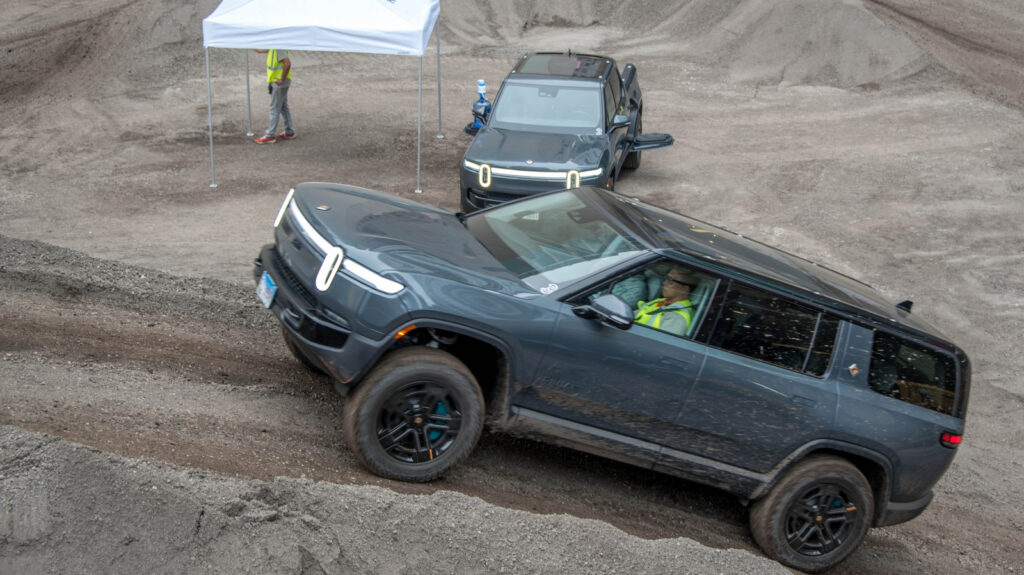
In the world of off-roading, a new player is challenging the traditional dominance of gas and diesel vehicles: electric SUVs. These modern machines have started to prove their worth on rugged terrains, turning heads and shifting perspectives among enthusiasts. The introduction of models like the Rivian R1S and R1T has brought a fresh dynamic to off-road adventures.
Electric SUVs offer several advantages over their internal combustion counterparts. With excellent ground clearance and fewer required modifications, they are increasingly capable of tackling tough trails. However, concerns about range and charging infrastructure still linger, presenting a notable challenge for electric off-road vehicles.
Pro: Revolutionizing Off-Roading with EV Drivetrains
Electric vehicles have changed the game by delivering instant torque, a crucial factor for off-roading. Unlike traditional SUVs that require careful gear management to achieve optimal torque, EVs provide maximum power on demand. This capability allows vehicles like the Rivian R1 to perform outstandingly on challenging terrains. Electric motors eliminate the need for complex gear systems, providing a smoother off-road experience.
Con: The Range Dilemma
One of the most significant drawbacks of EVs is their limited range. While daily commutes might not highlight this issue, long off-road excursions can be problematic. Unlike gas or diesel vehicles that can carry extra fuel, EVs lack similar options for extending range. As a result, off-roaders must plan their trips carefully to avoid running out of power in remote areas.
Pro: Simplified Maintenance
EVs offer a simpler mechanical setup, which reduces the risk of breakdowns during off-road adventures. Without the need for engine oil, transmission fluid, or other traditional vehicle fluids, EVs are less susceptible to common mechanical issues. Additionally, their smooth underbellies provide better ground clearance, reducing the likelihood of damage on rocky trails.
Con: Complex Repairs
Despite their mechanical simplicity, EVs can pose significant challenges if they break down. Repairs often require specialized knowledge and equipment, making them less user-friendly for quick fixes on the trail. Additionally, damage to the battery can lead to costly repairs and potential fire hazards, adding another layer of complexity to off-roading with electric SUVs.
Pro: The Joy of Driving an EV
Driving an electric SUV offers a unique thrill, thanks to the instant torque and rapid acceleration. With models like the 2026 Rivian R1 delivering impressive performance, EVs are becoming a popular choice for adventurous drivers. As charging infrastructure improves, these vehicles may soon conquer even the most remote trails.
Con: The Price Barrier
Despite their allure, electric SUVs remain costly compared to traditional vehicles. The high price point limits accessibility, particularly for those seeking off-road capabilities. As technology advances, this gap may narrow, but for now, EVs are a significant investment.
Ultimately, while electric SUVs have yet to fully replace traditional off-road vehicles, their presence is undeniable. As technology and infrastructure continue to evolve, these vehicles are poised to become a staple of the off-roading community, offering exciting new possibilities for enthusiasts.
Original Story at www.jalopnik.com