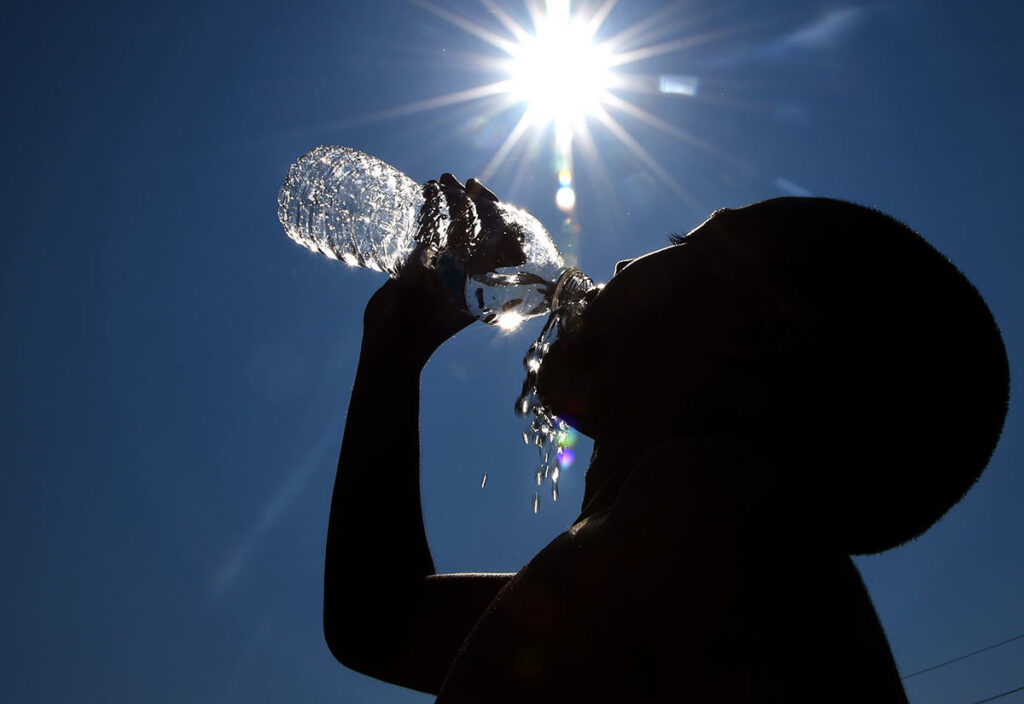
Maryland’s most recent heat season closed with alarming figures, underscoring the growing danger presented by extreme temperatures. This year, the state experienced a record high in heat-related fatalities, with 61 deaths reported, a significant increase from the previous record of 42 in 2012.
In a worrying trend, this year’s death toll nearly doubled the 34 fatalities recorded last year, reflecting a concerning rise over the past four years. The number of emergency calls for heat-related illnesses also hit a peak at 1,657, slightly higher than the 1,634 calls from the previous year.
According to the Maryland Department of Health, visits to emergency departments or urgent care due to heat-related issues numbered 1,603 this summer, a slight decrease from last year’s record of 1,670.
Health experts attribute this uptick to climate change, which is extending heat waves and elevating summer temperatures, thus heightening the risk of heat stress and fatal heat strokes for residents. Dr. Georges Benjamin of the American Public Health Association warns, “It’s right now being exacerbated and driven a lot by climate change. This is going to get worse…. The heat waves we’re having now are higher heat but also persisting longer.”
Heat deaths have been climbing in Maryland since 2022 when only five such fatalities were recorded. This year, a particularly intense heatwave in late June and early July accounted for 41 of the 61 deaths, as temperatures soared into the 90s and low 100s, with nighttime lows not dropping below the upper 70s.
Cliff Mitchell, director of the environmental health bureau at the Maryland Department of Health, explains, “As the climate warms, we are seeing longer periods of hot weather and higher temperatures, and both of those are contributing to increased risk for Maryland residents.” He notes the danger of insufficient nighttime cooling, which can prevent recovery from the day’s heat.
Indoor environments proved hazardous, accounting for 48% of heat deaths, while 26% occurred outdoors and another 26% in vehicles. Jamie Madrigano from the Johns Hopkins Bloomberg School of Public Health highlights the issue, stating, “A lot of these fatalities are occurring inside…. They’re occurring when people either don’t have access to air conditioning or are not running it because of the costs to their utility bills.”
Benjamin also points out that infrastructure in areas unaccustomed to such heat may be inadequate, particularly affecting low-income regions lacking in air conditioning and greenspace.
Older adults are particularly vulnerable, with 62% of victims aged 65 and older. Those aged 45 to 64 constituted 26% of the deaths, while 10% involved individuals aged 18 to 44. A tragic case involved a child under four years old.
Although the official monitoring period for heat-related incidents has ended, Dr. Benjamin cautions that the risk remains. “We’re not out of the woods yet,” he advised. Preparations should include identifying at-risk individuals and educating communities about the dangers of heat.
Original Story at marylandmatters.org