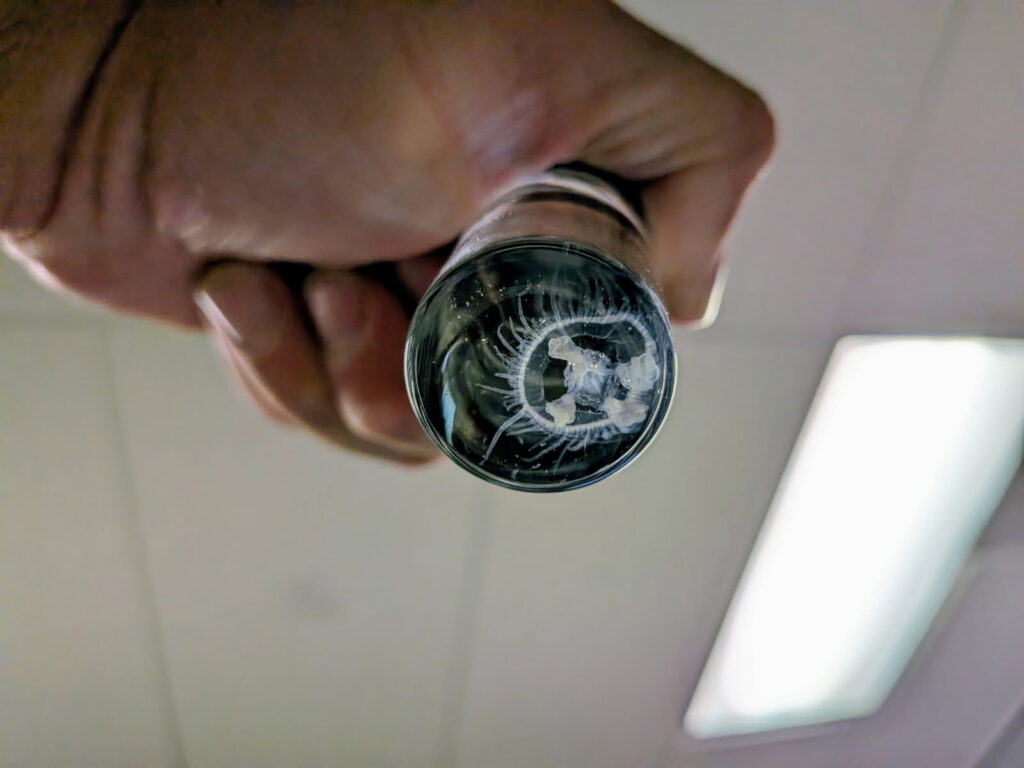
Montana’s waterways face a new and unusual threat — invasive freshwater jellyfish have been discovered near Canyon Ferry Reservoir, one of the state’s most significant bodies of water. The find raises fresh concerns about the health of Montana’s aquatic ecosystems and the ongoing challenge of keeping invasive species from taking hold.
According to a report by Daily Montanan journalist Jordan Hansen, freshwater jellyfish were found in waters near Canyon Ferry Reservoir in October 2026. Canyon Ferry, located east of Helena, is one of Montana’s largest reservoirs and a hub for fishing, recreation, and water resources that communities across the region depend on.
Freshwater jellyfish — while not unheard of in North American waters — are considered an invasive and non-native species in Montana. Their presence in or near a reservoir of Canyon Ferry’s size and ecological importance is significant. Invasive aquatic species can disrupt native food webs, compete with fish and other wildlife for resources, and prove extremely difficult to remove once established.
A Pattern of Aquatic Invasions
The jellyfish discovery is the latest in a string of invasive aquatic species concerns facing Montana. Earlier in 2026, Montana Fish, Wildlife & Parks (FWP) added a new mussel to the state’s invasive species list, signaling that the threat to Montana’s waters continues to grow. State officials have also moved to tighten enforcement — in 2025, fines for aquatic invasive species violations were increased under a new state law, reflecting the seriousness with which Montana is treating these threats.
FWP has also worked to keep the public informed and engaged on related wildlife health issues. In late 2025, the agency hosted a Chronic Wasting Disease self-testing workshop, part of broader efforts to involve Montanans in monitoring the health of the state’s wildlife and water resources.
The full details of the jellyfish find — including the specific species involved, the exact location of the discovery, and any response measures planned by state agencies — were not available in the initial report. Further information is expected as state wildlife officials assess the situation.
Montanans who spend time on the state’s lakes, rivers, and reservoirs are encouraged to follow FWP guidance on preventing the spread of aquatic invasive species, including cleaning and draining watercraft and equipment before moving between bodies of water. Reporting unusual sightings to state wildlife authorities remains one of the most effective tools for early detection of new invasive threats.
This story was originally reported by Jordan Hansen for the Daily Montanan, part of States Newsroom, the nation’s largest state-focused nonprofit news organization.