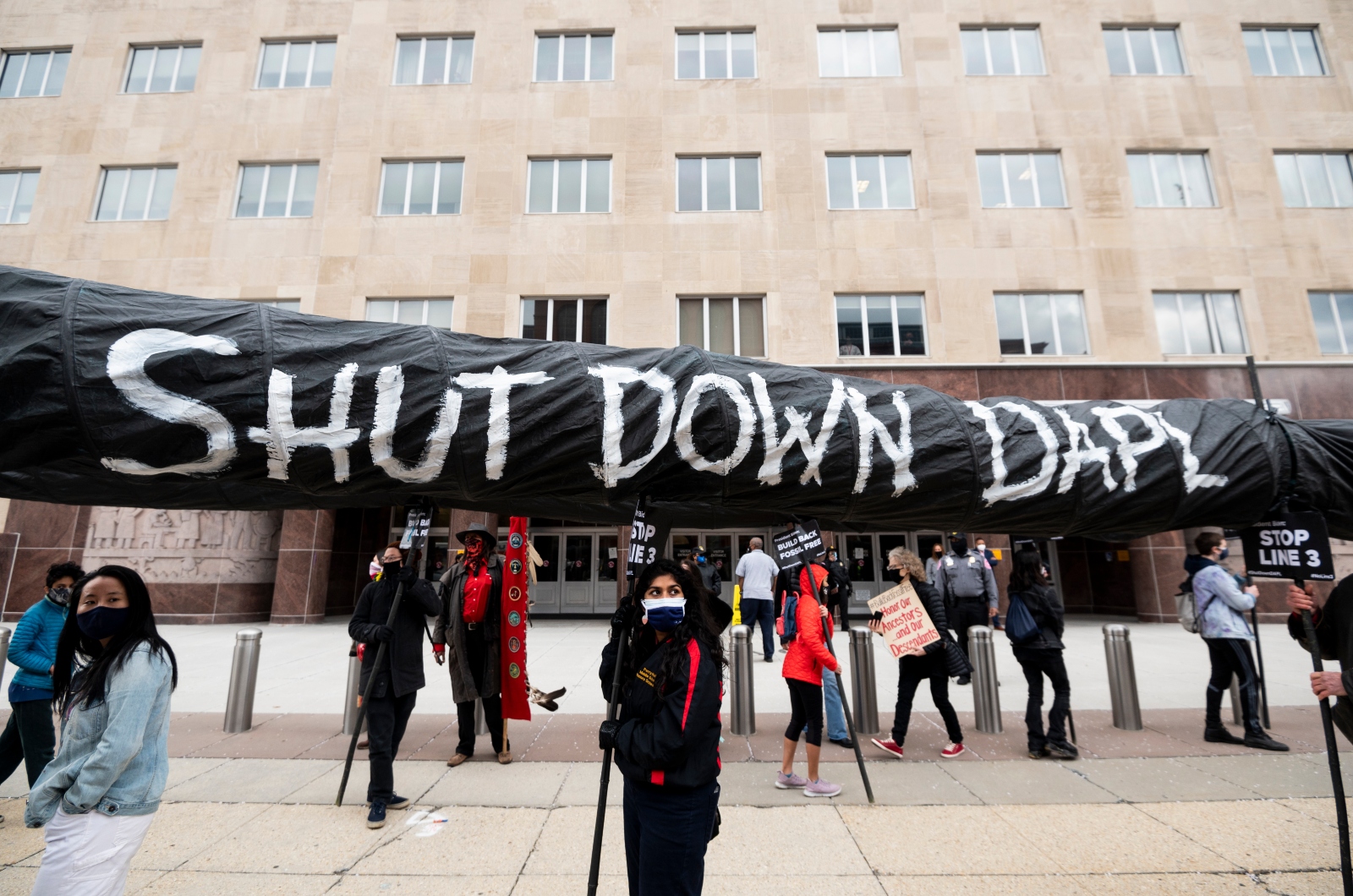
In the ongoing battle against climate change, two primary strategies have emerged: halting the use of fossil fuels and expanding clean energy infrastructures. The United States has seen heated debates over which strategy takes precedence, with discussions often revolving around whether to impose carbon taxes or foster electric vehicle adoption, and whether to block oil pipelines or boost renewable energy projects.
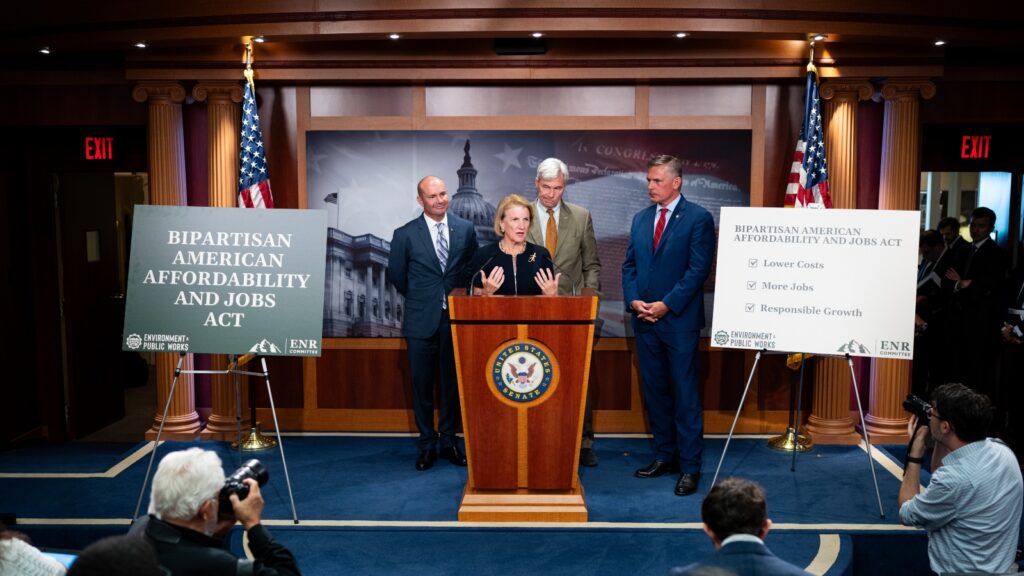
These differing views have led to a split within the climate movement. One faction, encompassing activists, lawyers, and environmentalists, emphasizes reducing fossil fuel dependency. Meanwhile, renewable energy companies and policy experts advocate for the rapid development of clean energy. This divide has intensified following the introduction of the Bipartisan American Affordability and Jobs Act (BAAJA), a Senate bill aimed at facilitating the construction of energy infrastructure by relaxing environmental regulations.
The bill aims to increase clean energy capacity, even if it means allowing some fossil fuel projects that could harm the environment. Proponents believe this approach will ultimately aid in transitioning away from fossil fuels, while critics argue it is a dangerous compromise that threatens marginalized communities and endangered species.
Representative Jared Huffman voiced concerns about the bill, stating, “It is definitely exposing a potential fault line between the environmental community and clean energy interests.” His skepticism reflects a broader unease among environmentalists about the bill’s potential consequences.
Andrew Harnik / Getty Images
BAAJA emerged from negotiations involving four senators with contrasting views on energy and environmental policies. Democrats Sheldon Whitehouse and Martin Heinrich, advocates for climate action, worked alongside Republicans Mike Lee and Shelley Moore Capito, who favor fossil fuels. Despite their differences, these senators reached a compromise resulting in a sprawling 400-page bill.
The legislation has yet to clear committee or face a vote in the House of Representatives, and lobbying efforts are underway to sway lawmakers. The bill’s supporters appear to have an edge, as President Donald Trump’s administration has previously rolled back climate policies and hindered renewable energy development, prompting some climate advocates to accept the bill as a necessary compromise.
Zeke Hausfather, a climate expert, remarked, “It’s a lot easier to prevent things from being built than to build things,” highlighting the challenges of balancing community rights with the urgent need for clean energy expansion.
The Case for Construction
Building clean energy infrastructure, such as solar and wind farms, requires significant space, often encountering regulatory hurdles under the National Environmental Policy Act (NEPA). This legislation mandates thorough environmental impact assessments, which can lead to lengthy legal battles. A study revealed that a significant percentage of renewable energy projects face NEPA-related lawsuits.
BAAJA aims to streamline these processes by limiting the timeframe for legal challenges and reducing the ability of courts to halt projects post-approval. Ray Long, president of ACORE, supports the bill, stating, “We need to build a ton of stuff over the next four years, or else we’re gonna have higher [electricity] prices.”
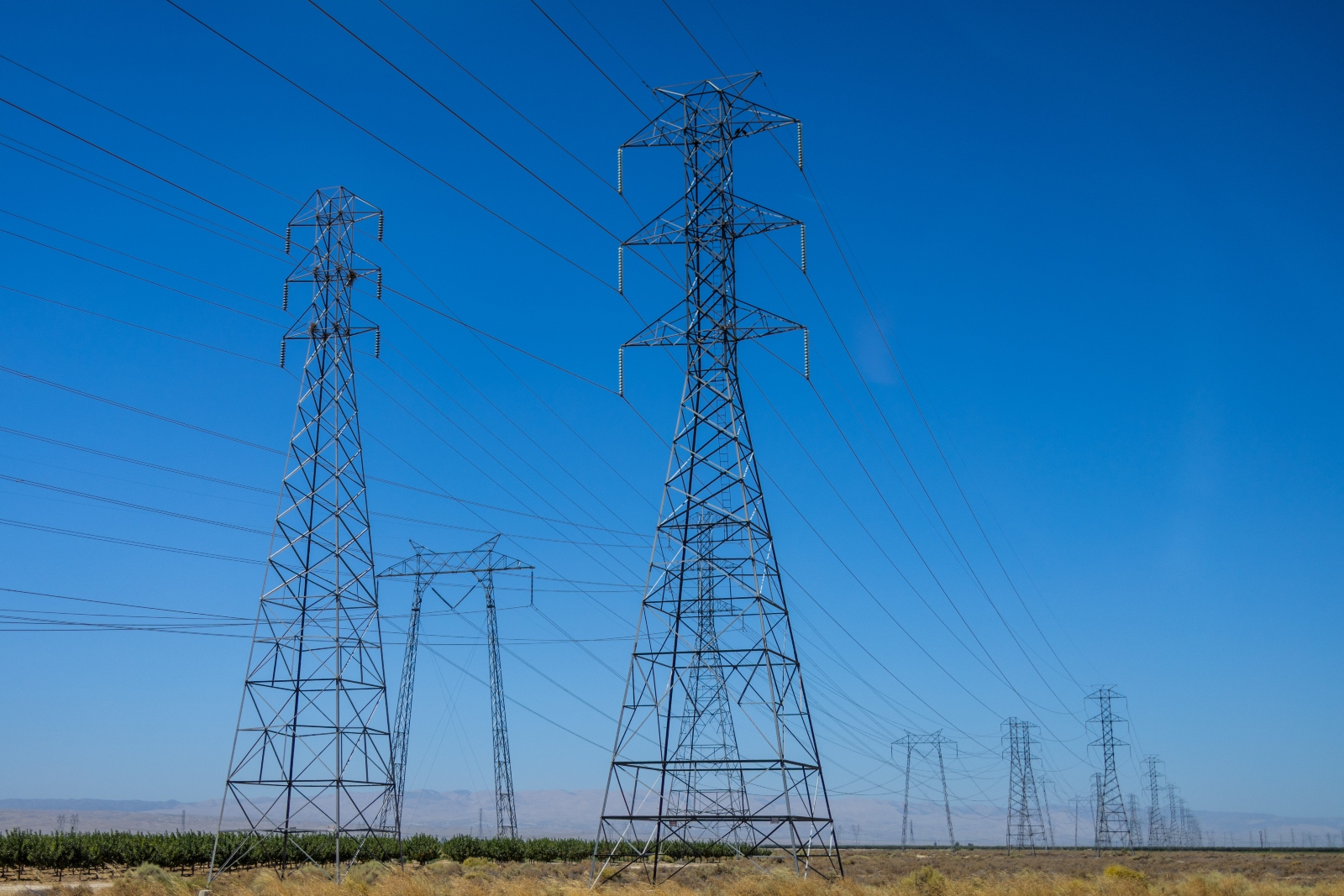
The bill also addresses the need for new transmission lines to distribute clean energy across regions. Currently, the lack of interstate lines has stymied solar and wind developments. BAAJA would require utilities and grid operators to plan for such lines, potentially unlocking renewable energy sources in underutilized areas.
Jay L. Clendenin / Getty Images
The Opposition’s Concerns
Environmental groups argue the bill’s provisions could lead to increased development near vulnerable communities, stripping them of legal tools to oppose harmful projects. Indigenous groups also express concern over reduced opportunities to protect cultural and historical sites.
Valerie Grussing of the National Association of Tribal Historic Preservation Officers warns that the bill could proceed without significant tribal input, potentially endangering sacred places. Additionally, the bill’s concessions on natural gas pipelines, which include environmental exemptions, raise fears of increased fossil fuel reliance.
Bill Clark / CQ-Roll Call, Inc via Getty Images
Critics argue that the bill’s approach could entrench the fossil fuel industry’s dominance, undermining efforts to combat climate change. Brett Hartl from the Center for Biological Diversity questions the bill’s long-term impact, while Friends of the Earth President Erich Pica highlights the risk of prioritizing fossil fuel interests over renewable energy deployment.
Original Story at grist.org