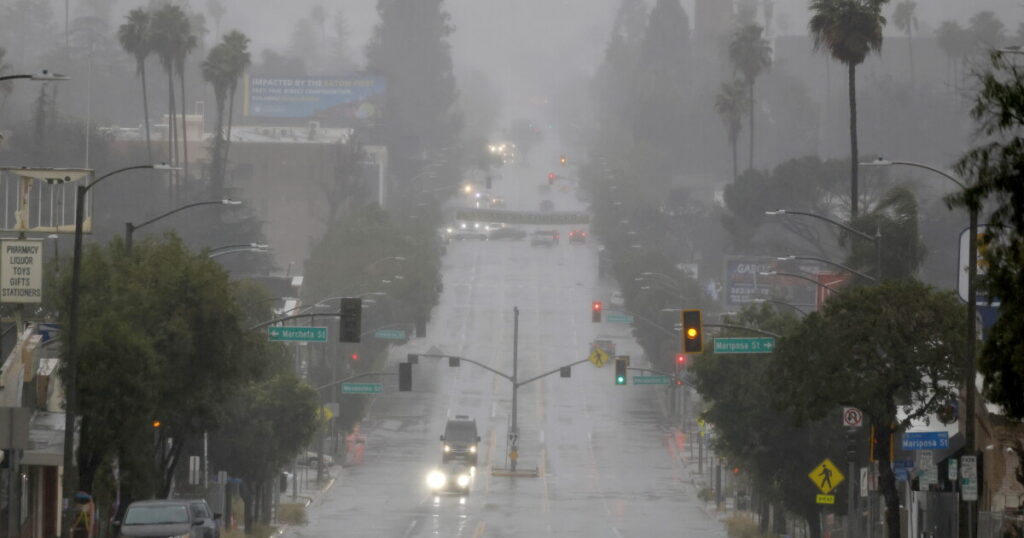
As the world braces for a potentially impactful El Niño season this year, experts and officials are urging communities to prepare for its widespread effects. With predictions of increased rainfall, flooding, and coastal challenges, the time to act is now.
This climate phenomenon, characterized by unusually warm ocean temperatures in the eastern Pacific, has already set records with sea surface temperatures. The National Weather Service estimates a more than 90% likelihood of a particularly strong El Niño this year.
Historically, Southern California has faced significant rain and rising sea levels during robust El Niño years, although precise impacts remain difficult to pinpoint. Preparation efforts by emergency management teams include enhancing flood-control systems, bolstering coastal protections, and mobilizing additional emergency resources, with a strong appeal to residents to take proactive measures.
Jon O’Brien, chief deputy of emergency operations for L.A. County, advises, “The most important step is to prepare before a warning is issued. Know whether your home or route is vulnerable to flooding or debris flows. Sign up for local emergency alerts. Make a plan to leave if directed.”
Staying Informed with Alerts
Receiving timely alerts from reliable sources is paramount for safety during extreme weather conditions. “One of the most important things that residents can do is make sure that you have multiple ways to receive forecasts, watches and warnings from credible sources,” explains Ariel Cohen from the National Weather Service. Heeding these alerts and following instructions is crucial for personal safety.
Recognizing Local Risks
Understanding potential local hazards is a vital step in risk management. The MyHazard tool by the California Governor’s Office of Emergency Services offers insights into specific risks, including flood dangers, landslides, and more. It is also important to consider possible hazards along daily routes to critical locations and plan alternatives accordingly.
Crafting an Emergency Plan
Officials highlight the importance of having a comprehensive emergency plan. Key elements include:
- Designating a meeting place outside the home and neighborhood.
- Knowing emergency evacuation routes.
- Understanding how to shut off utilities like water, gas, and electricity.
- Inquiring about the emergency plans of schools and care centers.
- Having important documents and items ready for quick access.
- Ensuring an inventory of necessary medications is available.
- Considering special needs for vulnerable groups and pets.
- Conducting an annual review and rehearsal of the plan with family members.
Establishing a household communication plan is also recommended, including contact information for family members and essential services. For those dependent on electrical medical devices, having a backup power plan is essential.
Officials also stress the value of community networks. Maral Karaccusian, L.A. County’s director of aging and disability, advises residents to “connect with family and neighbors in your community, and build out that network. Neighbors helping neighbors is a really important point.”
Pet owners should ensure their animals have up-to-date contact information and consider microchipping. Large animal owners should prepare transport options and arrange shelters in advance.
Original Story at laist.com