Innovative Research Approaches Spark New Pathways for Crisis Management
In an era marked by climate change, pandemics, and geopolitical tensions, the need for rapid and effective decision-making has never been more critical. Yet, traditional academic structures often lag in providing timely, authoritative research to support such decisions. Recent efforts in the United Kingdom offer a fresh perspective on bridging this gap.
During the COVID-19 pandemic, collaboration between academic researchers and policymakers yielded groundbreaking results. Researchers quickly solved the protein structures of the SARS-CoV-2 virus, conducted rapid drug trials, and developed vaccines that received swift approval. This collaborative success story provides a model for future research during crises (source).
UK universities, including the University of Oxford, are now revisiting how to conduct high-quality, interdisciplinary research in a timely manner. The Agile Initiative, funded by the Natural Environment Research Council, explores this by experimenting with different research models. These experiments involve stakeholders from government, industry, and local communities, aiming to produce relevant science for decision-makers.
The initiative tested three approaches: traditional scientist-led proposals, decision-maker-led questions, and a collaborative model known as co-creation. The latter proved the most effective, generating numerous valuable ideas and strong interest from both researchers and decision-makers (source).
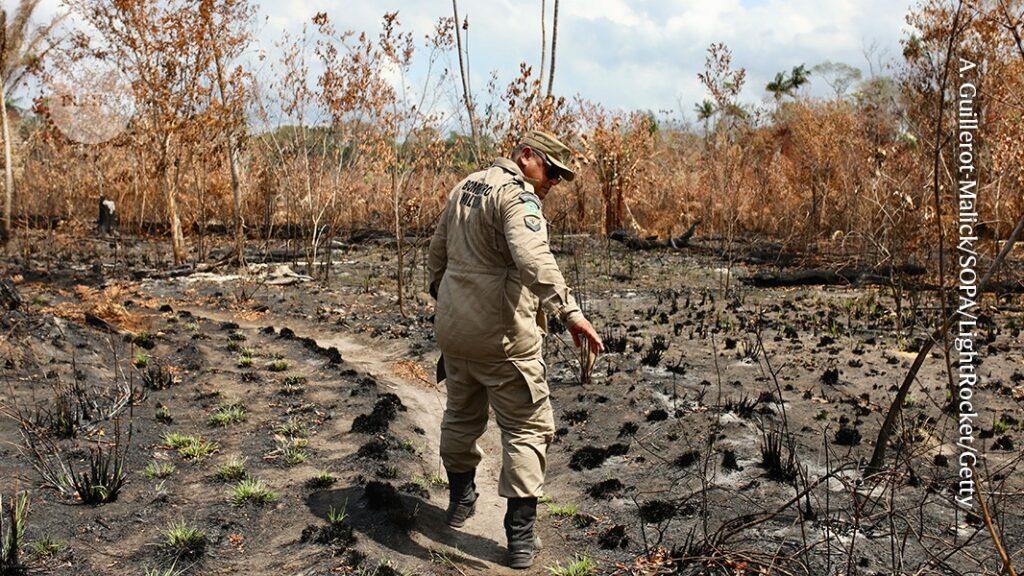
One notable project from these efforts was a collaboration involving researchers, government officials, fire brigades, and Indigenous groups. Together, they created a handbook to help fire-proof the Amazon rainforest, following devastating fires during the 2023–24 season. This handbook was crucially distributed to local firefighting teams in anticipation of another severe fire season driven by El Niño conditions (source).
Challenges in Collaborative Research
The Agile Initiative also highlighted institutional barriers when collaborating with non-academic partners. The Co-Production Futures Inquiry, involving universities like Liverpool, Manchester, and Sheffield, explored these challenges. Funded by Research England, the inquiry reviewed input from over 90 organizations, identifying issues such as the difficulty in compensating non-academic partners (source).
Another challenge was aligning co-created science with existing academic career structures. Short-term project grants often leave early-career researchers in precarious positions. Additionally, traditional funding models emphasize peer-reviewed publications, yet these may not be feasible within short project timelines. Alternative outputs, such as speeches or new collaborations, can be equally effective but are less recognized in academic settings.
Crucially, the initiatives underscored the importance of experimentation and the acceptance of failure as part of the research process. This mindset contrasts with conventional grant-making expectations that demand a clear path to success. The involvement of science funders and university leadership in these projects suggests that their recommendations might be taken seriously, fostering a more responsive approach to future crises.
Original Story at www.nature.com