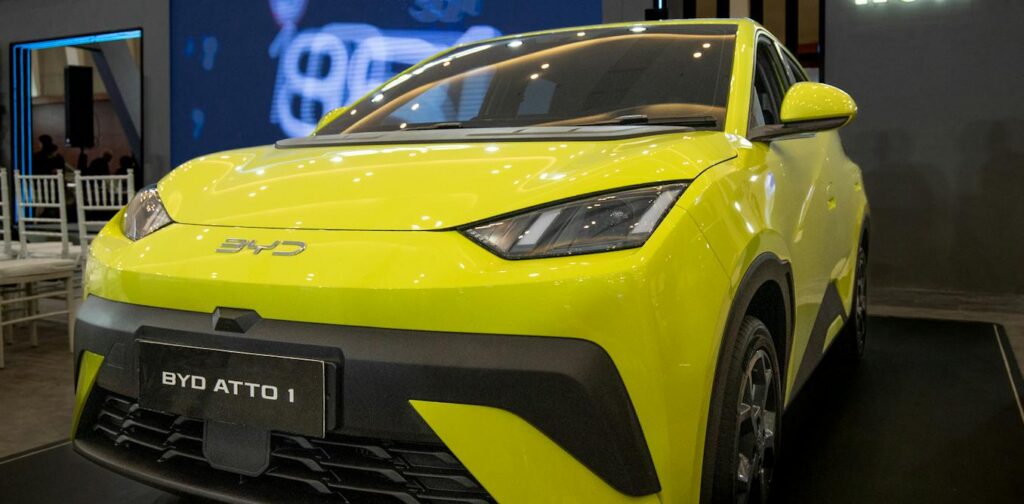
As electric vehicles become more accessible and affordable, their impact on traditional car markets and related industries is beginning to take shape. The BYD Atto 1, priced at around NZ$30,000, exemplifies this shift, offering features commonly found in modern city cars, such as a five-star safety rating and a touchscreen-equipped interior.
This competitive pricing positions Chinese electric vehicles in an intriguing spot, not only rivaling new models from brands like Toyota and Tesla but also challenging the dominance of used petrol vehicles that constitute the majority of vehicles on New Zealand roads.
While discussions about electric vehicle (EV) adoption often focus on emissions, infrastructure, and incentives, the rise of affordable EVs could have broader implications. The shift may lead to a depreciation in the value of petrol-powered vehicles and disrupt associated industries.
The Impact of Affordable Electric Vehicles on Car Pricing
The trend of decreasing EV prices isn’t new. In 2021, Tesla’s price reductions for the Model 3, coupled with the Clean Car Discount, resulted in a price drop below $60,000. Further cuts in 2023 brought it close to $55,000.
However, Chinese EV manufacturers are taking this competition further. In a market where the cost of a three-year-old petrol car is $27,000 and a new model is $40,000, a $30,000 new EV changes the purchasing decision dynamics. This change can pressure the pricing of used vehicles, compressing the price ladder.
Historically, New Zealand has benefited from the depreciation of Japanese cars, importing them when they become affordable. In 2023, used imports made up 42% of the light-vehicle fleet, with 97% of used car imports coming from Japan.
If China continues to produce affordable new vehicles, New Zealand’s dependency on Japanese imports could decrease, leading to a significant market structure change.
Potential Effects on the Automotive Industry
Technological advancements in vehicles not only replace existing products but also alter the surrounding business landscape. The traditional internal-combustion engine supports a vast ecosystem, including petrol stations, mechanics, and parts suppliers.
Electric vehicles shift this landscape, requiring skills and services focusing on batteries, power electronics, and software. According to MITO’s 2025 automotive industry report, New Zealand’s automotive sector, employing over 68,000 people, will need to adapt.
While EVs still need maintenance like tires and collision repairs, they eliminate the need for oil changes and exhaust system repairs. A decline in petrol vehicle values could make costly repairs less viable, accelerating the retirement of some vehicles and affecting demand for parts and servicing.
The Economic Transition of Electrification
For consumers, the transition to EVs offers cost savings and economic benefits. However, these benefits don’t always align geographically. New Zealand doesn’t manufacture mass-market vehicles, so the value of new technologies is realized abroad, while local businesses might face challenges.
China supplied 73% of New Zealand’s EV imports by June 2026. This shift highlights the need for policy discussions to encompass economic transitions alongside environmental ones. As the automotive industry evolves, tracking used-car values, employment, and training in electrical and software skills will be crucial.
While the automotive industry in New Zealand isn’t on the brink of collapse, the gradual transition to electric vehicles requires adaptation from businesses and workers alike as they adjust to changing demands.
Original Story at theconversation.com