Historic El Niño Unfolds, Sparking Global Warnings and Preparations
With climate extremes at the forefront of scientific study, Daniel Swain, a renowned climate scientist, finds himself once again at the center of critical research. Known for his work on record-breaking environmental phenomena, Swain’s focus has shifted to the latest El Niño, which is shaping up to be a historical event.
Swain, associated with the California Institute for Water Resources under the University of California Agriculture and Natural Resources program, has dedicated considerable time to public climate education, emphasizing the impact of climate change on extreme weather events. His insights on the current El Niño phenomenon are particularly sought after.
Recent research published in Science suggests that this El Niño could be the strongest in over a thousand years. This prompted a stark warning from U.N. Secretary-General António Guterres: “The science leaves no room for doubt: the planet is in uncharted waters, and those waters are heating up.”
Governments globally, from Britain to Los Angeles, are issuing advisories for residents to prepare for the potential impacts of this El Niño.
Understanding El Niño’s Impact
In an informative discussion, Swain explained that El Niño acts like a battery, storing and eventually releasing energy from the tropical oceans. This energy release is temporary, but contributes to global temperature increases, with predictions of record-breaking warmth later this year through 2027.
The measurement of El Niño’s strength has evolved. The National Oceanic and Atmospheric Administration (NOAA) now uses the Relative Oceanic Niño Index (RONI) rather than the traditional Oceanic Niño Index (ONI). This change reflects the need to consider relative temperature differences, crucial for understanding shifts in storm tracks.
Despite using more conservative metrics, the current El Niño reaches unprecedented levels. Swain highlighted that the RONI ties with historic highs, while ONI shows record-shattering levels, indicating significant climatic impacts.
Regional and Global Consequences
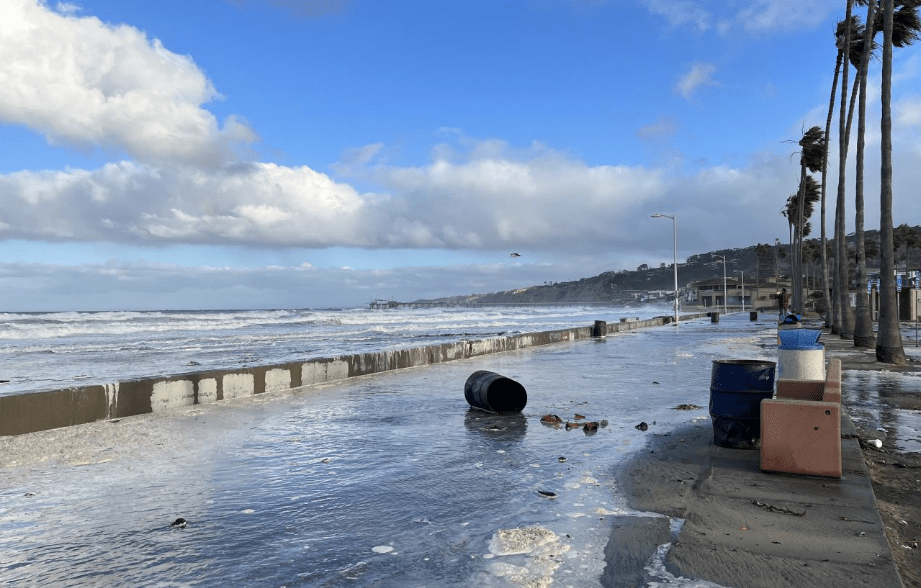
El Niño’s effects are region-specific, causing extreme rainfall in some areas and severe drought in others. Swain emphasized the potential for record coastal flooding in California due to a combination of sea level rise, increased storm activity, and high tides.
California’s coastal regions are particularly vulnerable. Swain noted that the expected sea level rise from this El Niño could temporarily double the sea level increases seen from climate change alone, posing significant risks to infrastructure and communities, especially in areas like the San Francisco Bay.
Beyond the immediate impacts, Swain expressed concern over the long-term water crisis in regions like the Colorado Basin. Even with increased precipitation, decades of drought and rising demand mean that a single wet year won’t resolve ongoing water shortages.
As this El Niño unfolds, the focus remains on understanding and mitigating its impacts, highlighting the interconnectedness of climate phenomena and their far-reaching effects on global weather patterns and human societies.
For more insights, visit Inside Climate News, the longest-standing climate-focused newsroom in the nation.
Original Story at timesofsandiego.com