Global Climate Crisis: A Tapestry of Local Disasters
Amidst the escalating global climate crisis, local disasters are becoming increasingly personal and urgent. The impacts of climate change are now reaching every corner of the globe, from the Himalayas to the Horn of Africa, with devastating consequences for vulnerable communities.
On August 26th, a catastrophic glacial melt in the Himalayas unleashed a torrent of ice and rock through Nepal’s Lhenda Khola valley. This natural disaster, traveling at speeds of 150km/h, left a trail of destruction, claiming hundreds of lives and displacing thousands. This event echoes the sentiments expressed by a young Nepalese woman at the 2024 Cop29 climate conference in Azerbaijan.
Sharana Sherpa, a representative of her community, lamented the disproportionate effects of climate change on her people, who contribute minimally to the crisis yet bear the brunt of its impacts. She advocated for the inclusion of indigenous communities in decision-making processes at global climate summits and called for adequate financial support to combat climate adversities. Her pleas, however, went unheard as global fossil fuel consumption continues unabated.
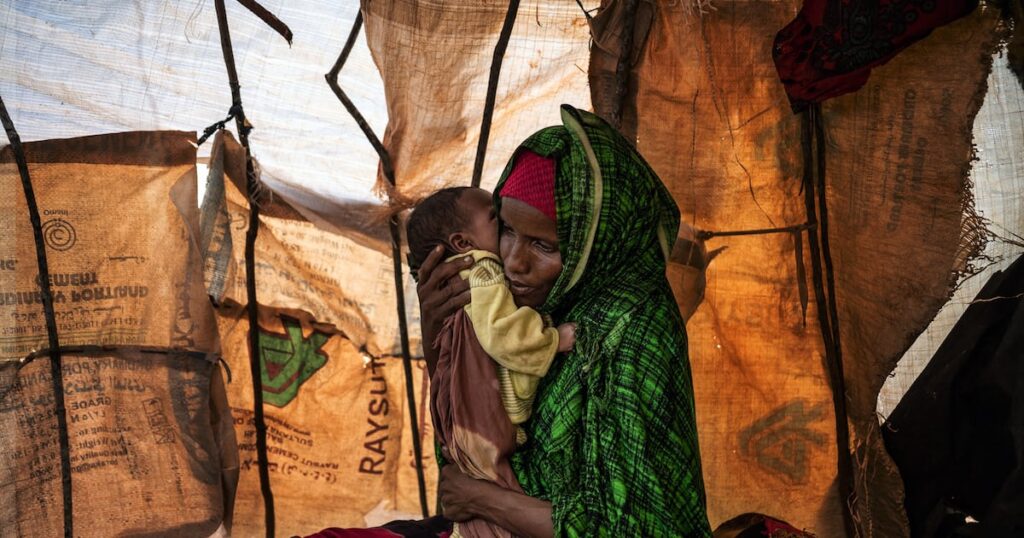
Sharana’s narrative is just one of many highlighting the global climate emergency. In Somalia, prolonged drought has led to the deaths of 3.5 million animals and the displacement of countless families. Trócaire’s former country director in Somalia, Paul Healy, described the dire situation as a “continuing erosion of livelihoods,” forcing families to undertake perilous journeys in search of sustenance.
Stories like that of Nurto Abdi Hassan, a mother who lost two children to starvation during their search for food, and Ibrahim Isaack Mahat, a father unaware of the climate-induced reasons behind his plight, underscore the harsh realities faced by those least responsible for climate change. Meanwhile, small island states such as Tuvalu grapple with rising sea levels threatening their very existence.
A wildfire in Etsaut, south-western France on September 6th, 2026. Photograph: Gaizka Iroz/AFP via Getty Images
Despite the urgency, global powers remain entangled in debates over Cop agreements, seemingly unwilling to transition away from fossil fuels. As each year brings new records for the hottest summers and more extreme weather events, the scientific community warns of breaching the 1.5-degree global warming limit set in Paris. The question remains: will the world heed these warnings?
In Ireland, historical experiences of displacement resonate with current climate-induced migrations, echoing the loss of culture and identity. If immediate action is not taken, nations like Nepal, Somalia, and Tuvalu face similar fates. The responsibility lies with all, including Ireland, to address this global emergency before it’s too late.
Original Story at www.irishtimes.com