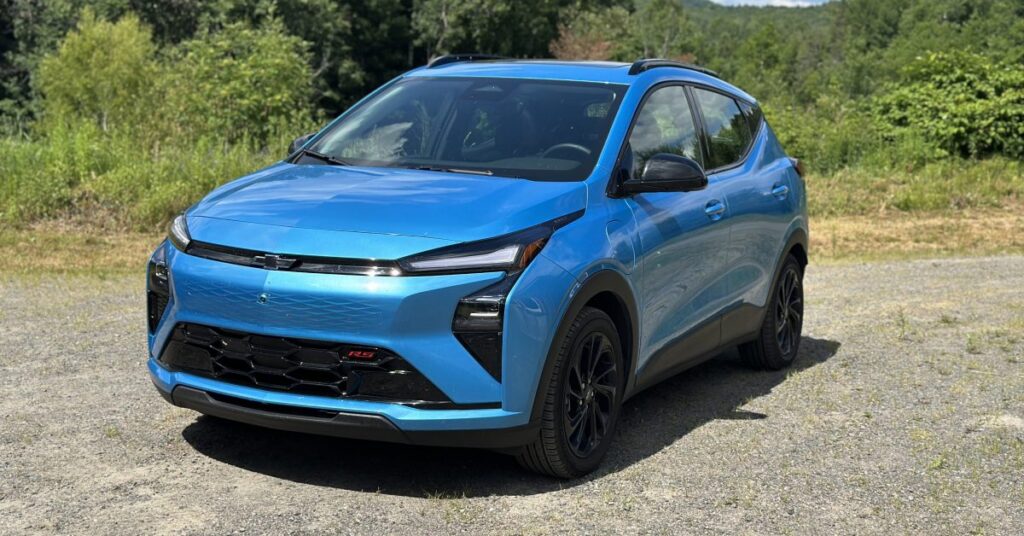
The 2026 Chevrolet Bolt EV 2RS, with its revamped powertrain, was put to the test over a week and covered a distance of 854.2 km (530.8 miles). This journey spanned across various terrains, including city streets, highways, and backroads. The experience provided insights into the vehicle’s performance, efficiency, and areas for improvement.
Performance Insights
The RS variant of the 2026 Bolt EV features an LFP battery pack, offering an estimated range of 422 km (262 miles). During the test, the vehicle achieved a similar range, demonstrating an average efficiency of 5.9 km/kWh (3.7 mi/kWh). However, the charging process revealed some challenges; the fast-charging test from 10% to 80% took about 33.3 minutes, but a full charge attempt stopped at 66% due to potential battery overheating.
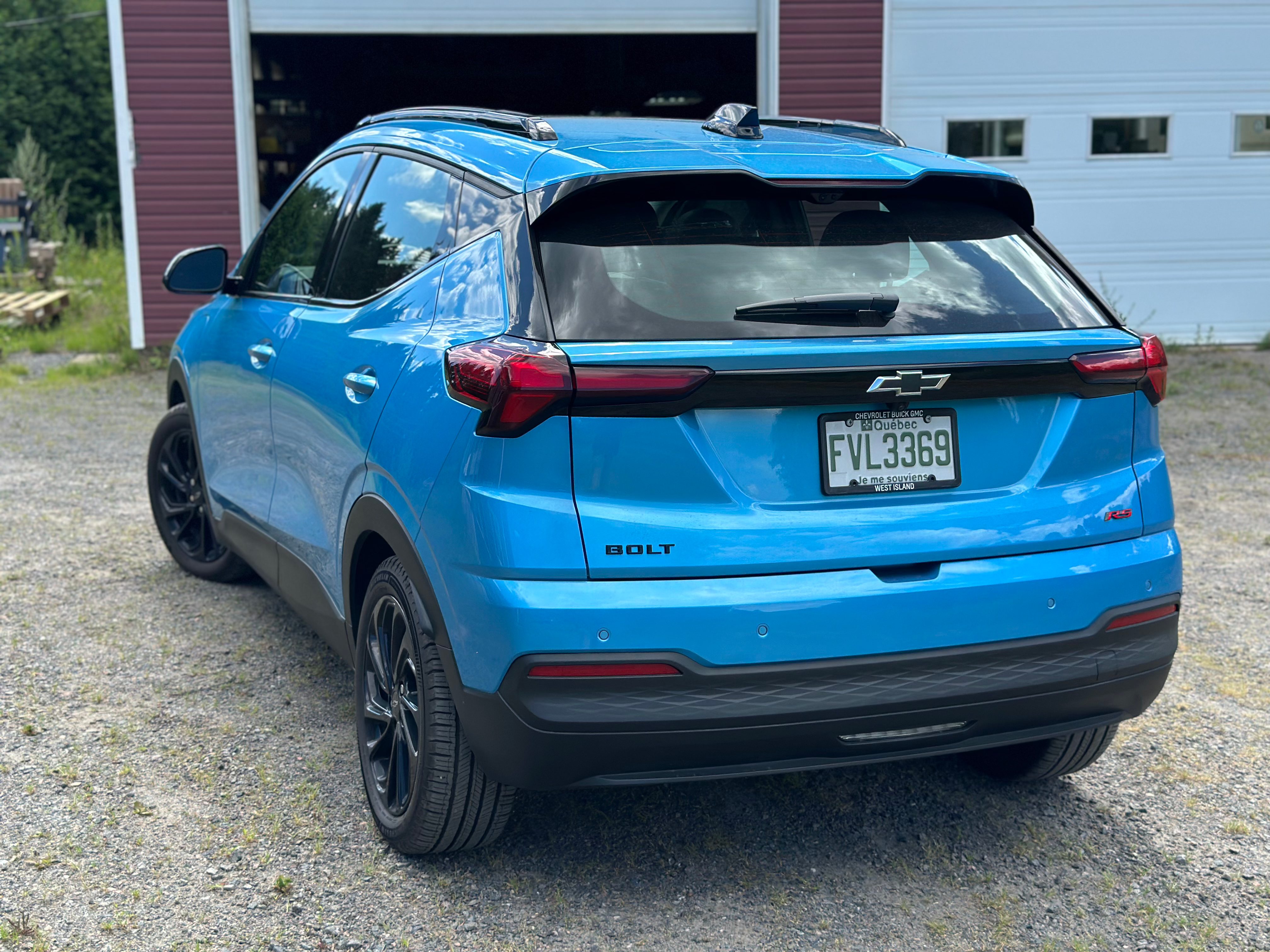
One notable feature of the Bolt EV 2026 is its V2X capability. When integrated with the GM Energy system, it can supply power to a household. The vehicle also includes a NACS port, enhancing the convenience of public charging with GM’s Energy Pass system.
Interior and Ergonomics
The Bolt EV’s interior presents a mix of positives and negatives. The dashboard includes two well-placed screens, offering an intuitive Google Built-In infotainment system. However, the cabin is dominated by hard plastics, and the seating is somewhat narrow, with limited rear headroom.
While the vehicle’s driving dynamics align with its budget-friendly nature, it does exhibit some drawbacks such as delayed torque delivery, a blended brake pedal that may require an adjustment period, and torque steer on uneven surfaces.
Overall, the 2026 Bolt EV is a suitable option for city driving and an economical way to enter the EV market. However, the RS trim may not be the best choice, as opting for a lower trim could offer better value.
Engineering Aspects
The Chevrolet Bolt EV 2026 has been updated with an LFP battery, known for its safety and longevity. The vehicle’s powertrain is geared towards comfort and efficiency, particularly in urban settings. Although the torque delivery is gradual, it helps prevent tire spin during acceleration. The vehicle’s 385.1V battery places it within the 400-volt class, ensuring satisfactory charging speed on compatible stations.
With V2X capabilities, the Bolt EV can power a home using GM’s energy products, enhancing its utility. Despite the LFP battery’s longevity, the absence of 120V 15A outlets is a drawback.
Electric Performance and Charging
For 2026, the Bolt EV offers a respectable range of 422 km (262 miles), which proved sufficient for city driving. During testing, a range of 437.9 km (272 miles) was achieved by incorporating hypermiling techniques under optimal conditions.
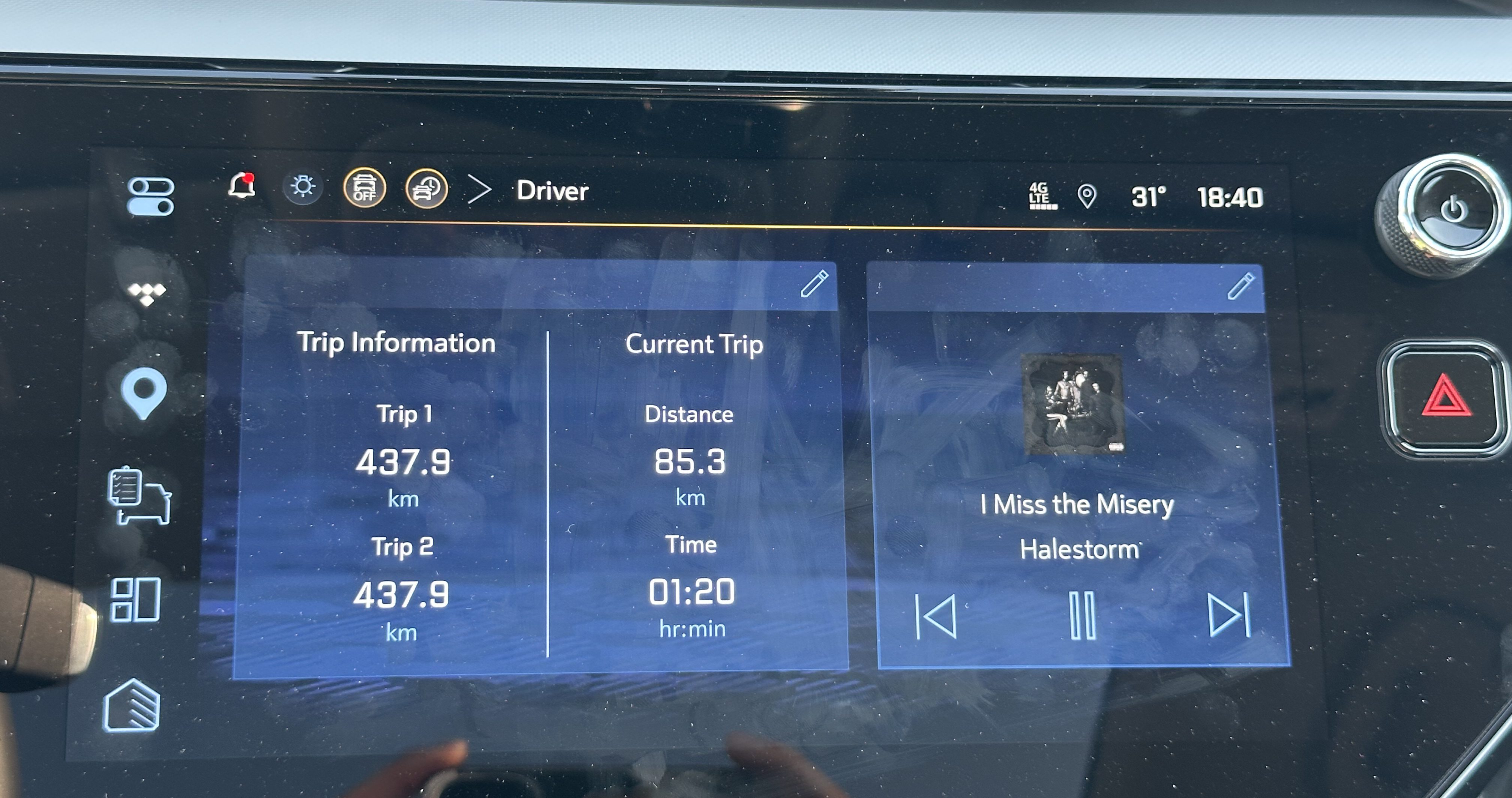
Efficiency during the test was satisfactory, with an average of 5.9 km/kWh (169Wh/km). Despite facing various weather conditions, the vehicle managed a real-world range of 383.5 km (238 miles) over a week.
Charging remains a challenge for the Bolt EV. A DC fast-charging session from 5% SOC experienced a power drop, halting at 66% due to potential battery temperature issues. A subsequent charge from 60% to 80% performed as expected, but the overall charging experience left room for improvement.
Public charging tests indicate the Bolt charges from 10% to 80% in around 33 minutes. Despite this improvement over previous models, reducing charging time remains crucial, especially for city dwellers relying on DC fast chargers.
GM’s Energy Pass, akin to Plug & Charge, worked seamlessly at a Tesla Supercharger, offering convenience without requiring apps or cards. The 2026 Bolt EV’s NACS port further enhances this experience.
Ergonomics and Interior Layout
Inside the Bolt EV, the cabin is designed with practicality in mind. The dual screens are well-placed, one behind the steering wheel and the other at the center of the dashboard, offering intuitive controls and easy access to media, navigation, and more.
-
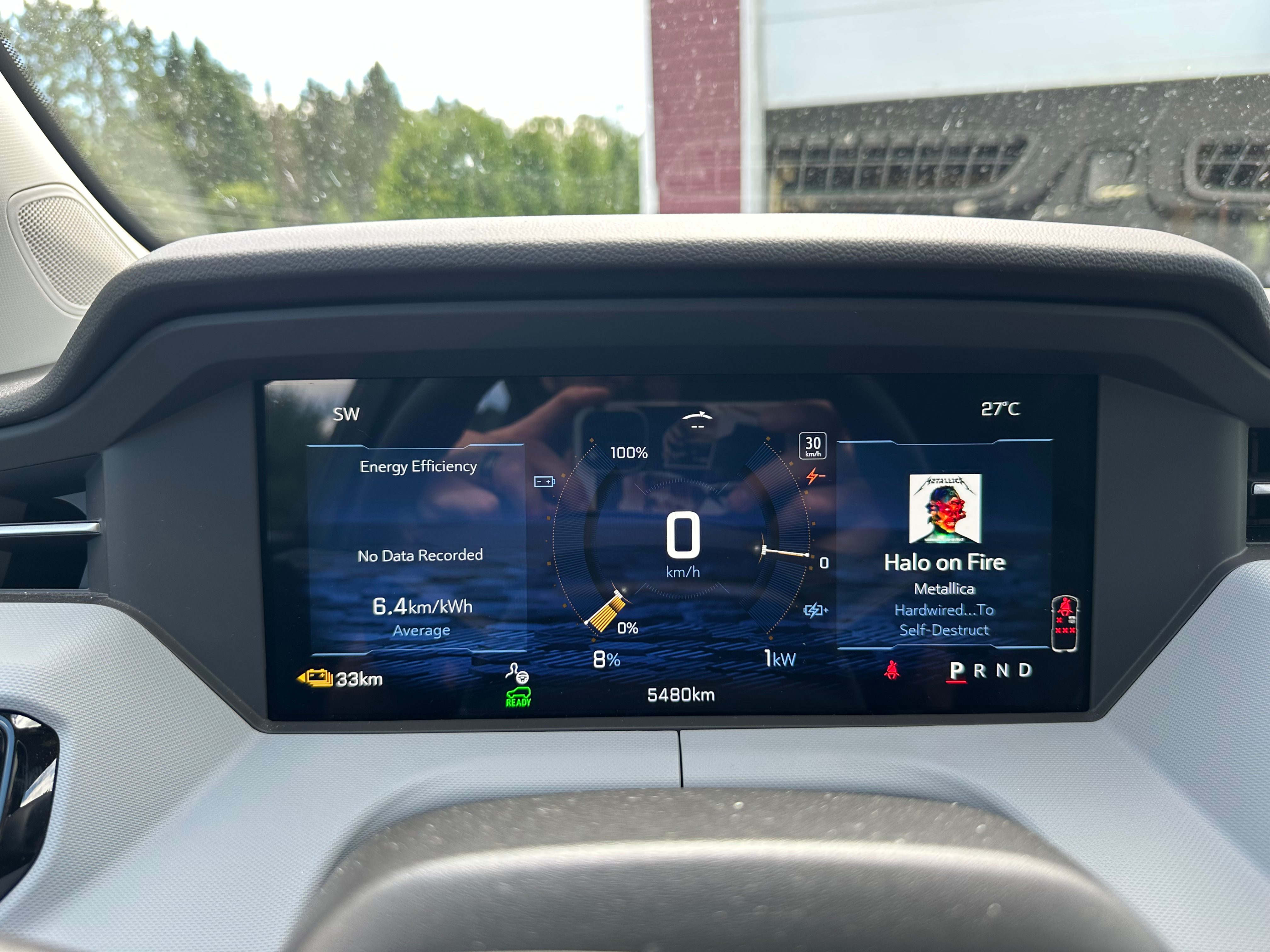
Driver display -
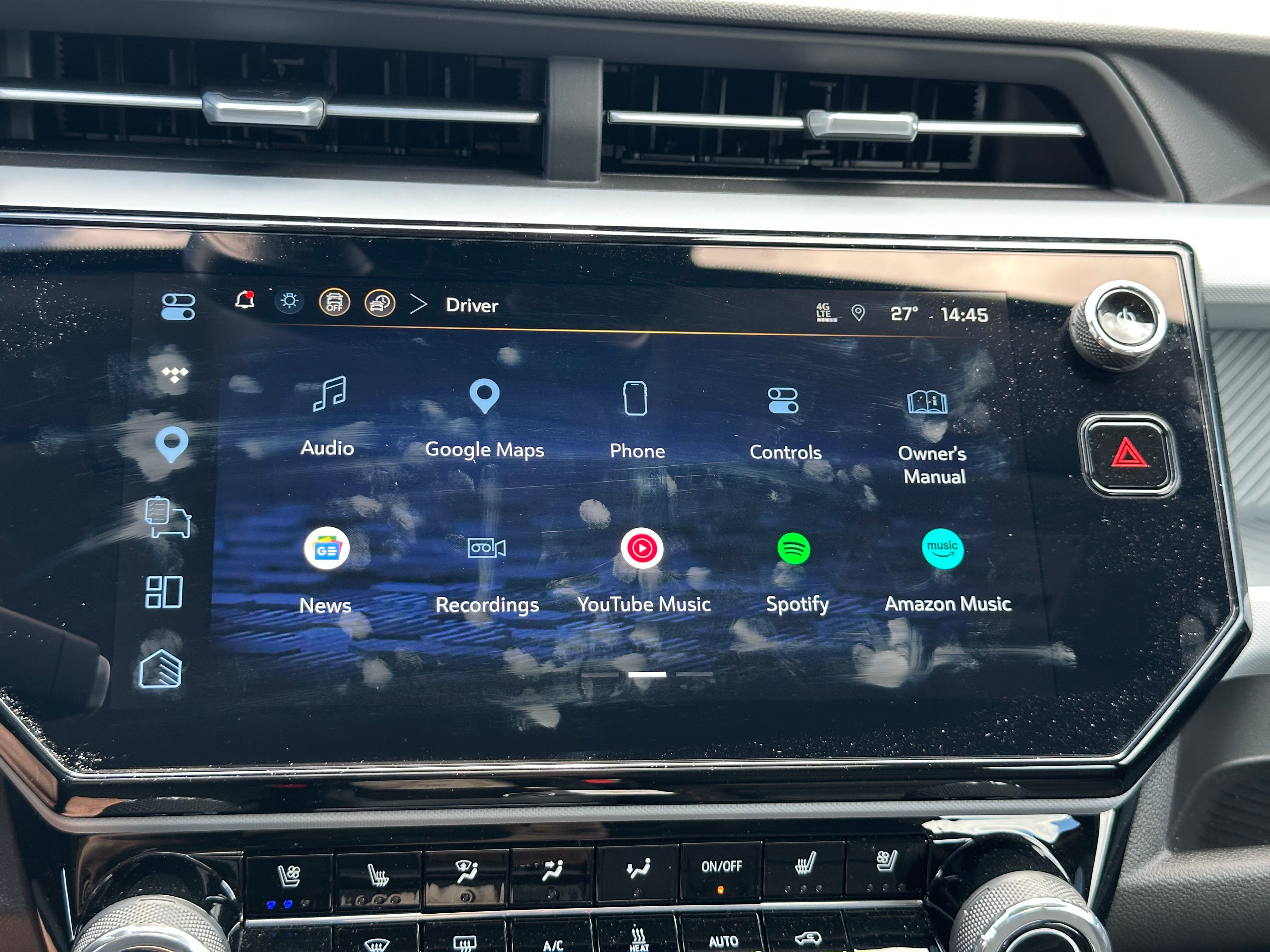
Central display
The infotainment system, powered by Android, is user-friendly, especially for those familiar with Android devices. It offers features like Google Maps with state of charge predictions, route planning around charging stops, and access to the Play Store for apps like YouTube and Netflix.
The seats, however, leave room for improvement. They are somewhat narrow, and long drives may lead to discomfort. The ventilated seats do not significantly enhance comfort, but the automatic activation feature based on temperature is a nice touch.
While the Bolt EV lacks a frunk, its trunk size is suitable for its category. The cabin materials predominantly feature hard plastics, reflecting its budget-conscious design.
Driving Experience
The driving dynamics of the 2026 Bolt EV are tailored for city commuting. The throttle response is gradual, which may not appeal to those seeking a more immediate acceleration response. The brake pedal is sensitive, combining electric motor regeneration with hydraulic braking, which may take some getting used to.
Handling is a notable area of concern, with bouncing on uneven surfaces and potential torque steering during acceleration. One-pedal driving is available and effective in city settings but inconsistent when reversing.
Sound quality from the speakers is subpar, and cabin noise levels are relatively high, though expected for a budget city vehicle.
Driver Assistance Systems
The reviewed Bolt EV did not include Chevrolet’s Super Cruise technology, but its availability suggests similar performance to other GM vehicles. Super Cruise offers hands-free and hands-on modes with driver-attention monitoring, performing well on highways and select roads.
Limitations include struggles with unclear lane markings and occasional failures to take exits. However, it enhances highway driving by reducing fatigue when used within its limitations.
OTA updates are expected to improve performance, but a subscription fee for advanced features remains a drawback.
Value Proposition
The Bolt EV’s value lies in its affordability. The hard plastics and key-recognition bug highlight its budget-conscious design. While the RS trim may not offer the best value, opting for a lower trim could provide a more economical entry into EV ownership.
Pricing varies, with the detailed model priced at $47,537.50 CAD ($34,190 US). Discounts may make it a viable option, especially if found under $35,000 CAD or $32,000 US.
Overall, the Bolt EV is a practical city car, offering a basic, cost-effective way to experience EV ownership.
Safety Features
All trims include active safety features like Reverse Automatic Braking, Side Cyclist Alert, Rear Pedestrian Alert, and Front Pedestrian and Cyclist Automatic Braking. While no IIHS rating is available at the time of writing, it is expected to follow the previous model’s “Good” rating.
Original Story at electrek.co