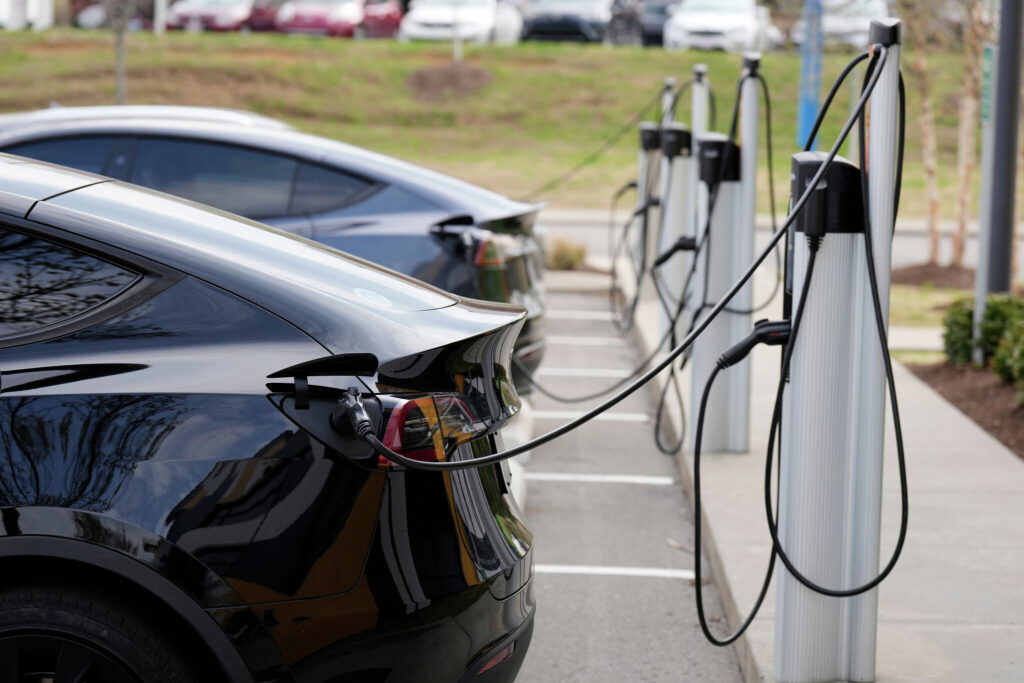
Managing Electric Vehicles in the Heat: What Drivers Need to Know
The scorching summer heat is more than just uncomfortable for electric vehicle (EV) drivers; it can also affect the efficiency and performance of their cars. With temperatures soaring and heat warnings becoming the norm, EV owners may notice their vehicles are not operating at peak efficiency. What’s happening under the hood, and how can drivers mitigate these effects?
As the mercury rises, EVs may exhibit decreased driving ranges, slower charging times, and increased energy consumption due to more frequent air conditioning use. According to the Nickel Institute, these changes are typically temporary, though prolonged exposure can reduce battery life.
Impact of High Temperatures on EV Performance
Research by the American Automobile Association indicates that high temperatures can significantly affect EV efficiency. Their study found that at 95 degrees Fahrenheit, the efficiency of EVs, measured in miles per gallon equivalent, drops by 10.4%. Further studies by Recurrent Auto show that temperatures above 100 degrees can result in a 17-18% reduction in range.
Potential for Battery Damage
While most modern EVs have systems to manage battery temperature, extreme heat can still lead to accelerated degradation. The Electric Vehicle Council notes that the chemical reactions within lithium-ion batteries are sensitive to heat, which can hasten degradation. Recurrent Auto suggests parking in shaded areas or leaving the vehicle half-charged to minimize permanent damage.
Air Conditioning and Battery Life
Using air conditioning in extreme weather further taxes the battery, impacting range. Recurrent Auto highlights that both heating and cooling systems draw on the battery’s power. However, companies like Skywell are improving EV designs to better manage cabin temperatures, thereby minimizing range loss.
Protective Measures for EV Owners
Owners can take preventative steps recommended by manufacturers like Tesla to mitigate heat effects. Preconditioning the vehicle while charging, as advised by the Department of Energy, can preserve battery life by using grid power. Parking in shaded areas, using sunshades, and watching for battery warning messages are additional measures to protect the vehicle.
In the event of unusual warning lights or significant range loss, drivers are encouraged to visit a service center to ensure their EV remains in optimal condition.
Original Story at www.dallasnews.com