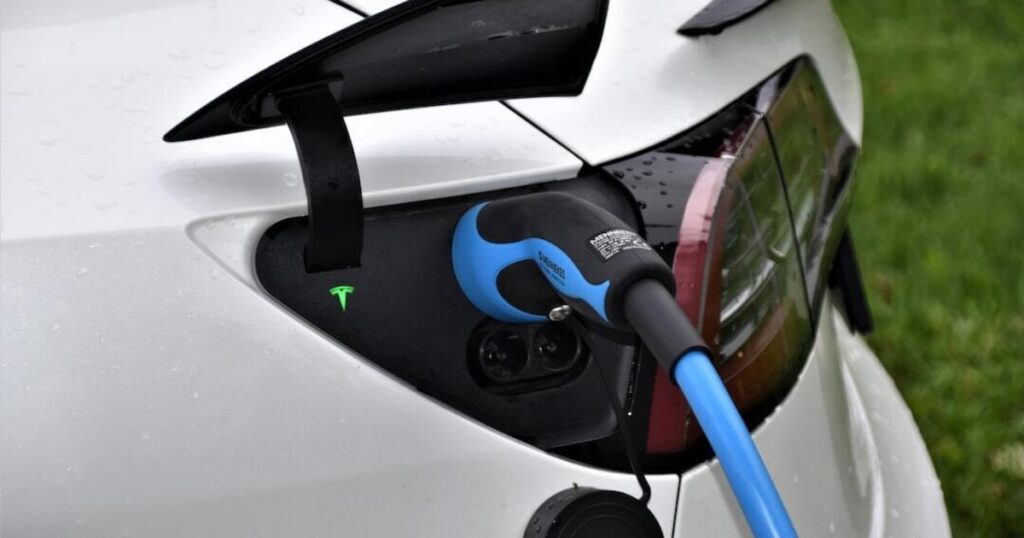
The transformation of the automotive landscape in the United States is being driven by the rise of electric vehicles (EVs). As these vehicles become more prevalent, they are reshaping the workforce, skills, and infrastructure necessary to support their growth, while simultaneously fostering new economic opportunities.
Electric Vehicles Drive Market Expansion
In a significant shift from niche to mainstream, electric vehicles accounted for 10% of U.S. light-duty vehicle sales in 2024, as reported by the ICCT. The industry now involves major players across manufacturing, repair, charging, and workforce sectors.
Understanding the Growth Trajectory
The electric vehicle market is experiencing substantial growth, with Grand View Research forecasting it to reach approximately $2.4 trillion by 2026, up from $1.6 trillion the year before. However, growth varies globally, influenced by factors like consumer demand, charging infrastructure, government incentives, and local regulations.
The Evolving Role of Automotive Technicians
The absence of traditional engines in EVs necessitates a shift in the skills required for their maintenance. Key components such as spark plugs and fuel injectors are replaced by high-voltage electric motors and batteries. The new technological landscape means technicians are spending more time on electrical systems, diagnostics, software, and electronics.
- No spark plugs, fuel injectors, or conventional exhaust systems
- High-voltage electric motors and batteries take precedence
- Inverters and converters manage energy flow
- Regenerative braking recovers energy
- Software and sensors control vehicle functions
Expanding Roles in the EV Workforce
The surge in EV adoption is creating diverse opportunities within the automotive sector. From automotive technicians to software specialists, each role is crucial in supporting the electric vehicle infrastructure.
- Automotive Technicians: Focus on electric drivetrains and systems
- Electrical Specialists: Handle high-voltage systems
- Battery Technicians: Manage battery systems
- Software Specialists: Oversee electronic controls
- Manufacturing Workers: Produce batteries and vehicle components
- Emergency Responders: Address safety in post-collision scenarios
Charging Infrastructure Sparks New Ventures
The increased presence of EVs necessitates a robust charging network, generating opportunities in areas such as home charging installations, public charging networks, and maintenance services. Businesses are also exploring site development, electrical contracting, and charging software, broadening the economic footprint of EVs.
Supply Chain Innovations
Producing electric vehicles involves a complex supply chain, relying heavily on materials like lithium, nickel, graphite, and cobalt. This dependency extends job creation to mining, processing, transportation, and battery manufacturing. Additionally, suppliers produce essential components such as electric motors and semiconductors.
Shifts in the Used Car Market
As more electric vehicles enter the second-hand market, buyers face new considerations such as battery health and charging options. Battery diagnostics and software updates are becoming integral to the used car business, requiring dealers and technicians to adapt to these changes.
Frequently Asked Questions
Will Electric Vehicles Replace Traditional Automotive Jobs?
While EVs will alter some traditional roles, they won’t eliminate the need for technicians. New tasks related to electrical systems and software will emerge alongside existing maintenance and repair needs.
What Skills Will EV Technicians Need?
Technicians will require expertise in electrical systems, high-voltage safety, battery management, and vehicle software, in addition to traditional mechanical skills.
Will Older EVs Need Different Types of Repairs?
Yes, aging EVs will present challenges such as battery degradation and software issues, necessitating specialized diagnostics and repair knowledge.
What Does EV Growth Mean for Small Repair Shops?
Independent repair shops will need to invest in equipment and training to service EVs, offering them access to a growing market outside dealership networks.
What Happens to EV Batteries at the End of Their Useful Life?
EV batteries often undergo refurbishment, reuse, or recycling, creating opportunities in testing, materials recovery, and battery processing.
As electric vehicles become more common on American roads, the industry is evolving, creating new roles and business opportunities across the automotive sector.
Original Story at www.wsbtv.com