As electric vehicle adoption unfolds unevenly across the globe, some automakers find themselves recalibrating strategies. Audi, a brand synonymous with high-tech innovation, faces a significant challenge in the U.S. market due to its limited hybrid and plug-in hybrid offerings.
In the U.S., Audi’s sales have slumped by 17% in the first half of 2026, with electric vehicles constituting only 2.5% of its total sales. Unlike some of its rivals, Audi has not yet offered hybrids or plug-in hybrids in the American market, a decision that is now being reconsidered.
Hybrids on the Horizon
During the launch of the Q9 three-row SUV, Vito Paladino, President of Audi of America, disclosed plans to introduce hybrids to the U.S. lineup. “We will have hybrids in our lineup,” Paladino confirmed to Automotive News. He emphasized the need to evaluate which segments and models would benefit most from hybrid technology.
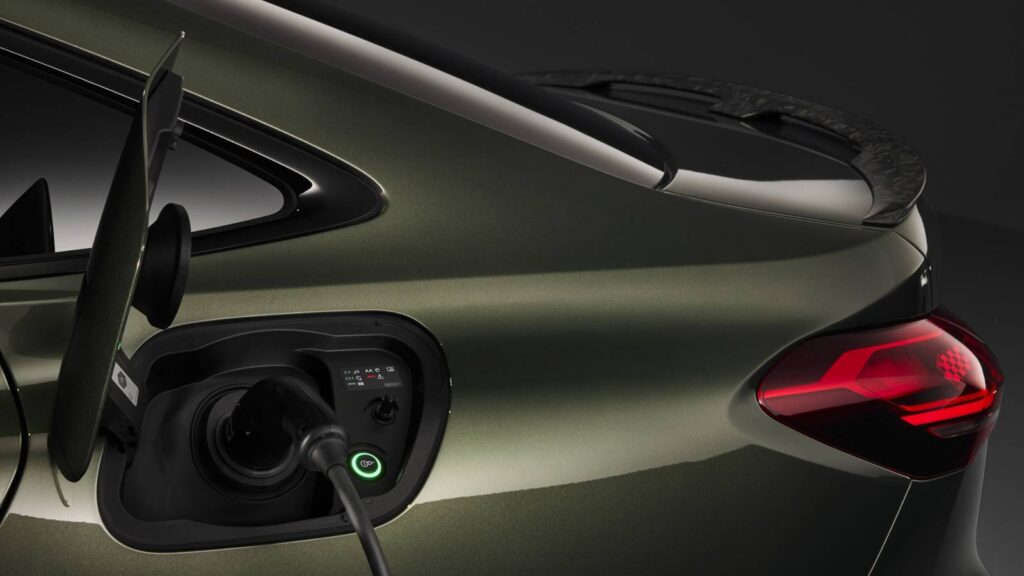
Two upcoming hybrids are already planned, though they may not significantly impact sales figures. The Nuvolari, featuring a Lamborghini engine with 1,000 horsepower, is slated for limited production. Meanwhile, the RS 5 will offer a more widespread but still niche presence in the market.
Hybrid vehicles currently account for nearly 20% of new car sales in the U.S., a figure expected to rise. This is significantly higher than the share of electric vehicles, underscoring the gap Audi faces.
Bridging the Gap with Competitors
Audi’s competitors have embraced the hybrid approach more fully. BMW offers six hybrid models, including the X5 SUV, while Mercedes-Benz provides nine options such as the GLC and GLE SUVs. Lexus offers a hybrid or PHEV option for nearly all its gas-powered models.
Audi’s focus on pure electric vehicles in recent model launches, like the Q7 and Q9, means that hybrid adaptations may require significant mid-cycle adjustments. However, the brand’s global portfolio, which includes numerous hybrid models in Europe, presents opportunities for quicker integration in the U.S. “Because of our global portfolio, there’s opportunities that you don’t have to wait for a refresh,” Paladino noted. He assured that the company is willing to make strategic moves when business opportunities arise.
Although specific models and timelines remain undisclosed, bestsellers like the new Q5 could be early candidates for hybrid technology, potentially including a PHEV RS Q5 variant.
The Implications for Audi
Audi’s reputation for “Vorsprung durch Technik” (progress through technology) is at stake as it navigates this transition. Despite hiccups in the U.S. market, Audi’s worldwide strategy aligns with its technological roots, having already developed hybrids for other regions.
The main challenge lies in selecting the right models for the U.S. market and expediting the necessary regulatory approvals. Ultimately, Audi’s hybrid push might serve more to bolster its technological image than to drive immediate sales growth.
Source: Automotive News
Original Story at carbuzz.com