California Achieves Historic Solar Power Milestone
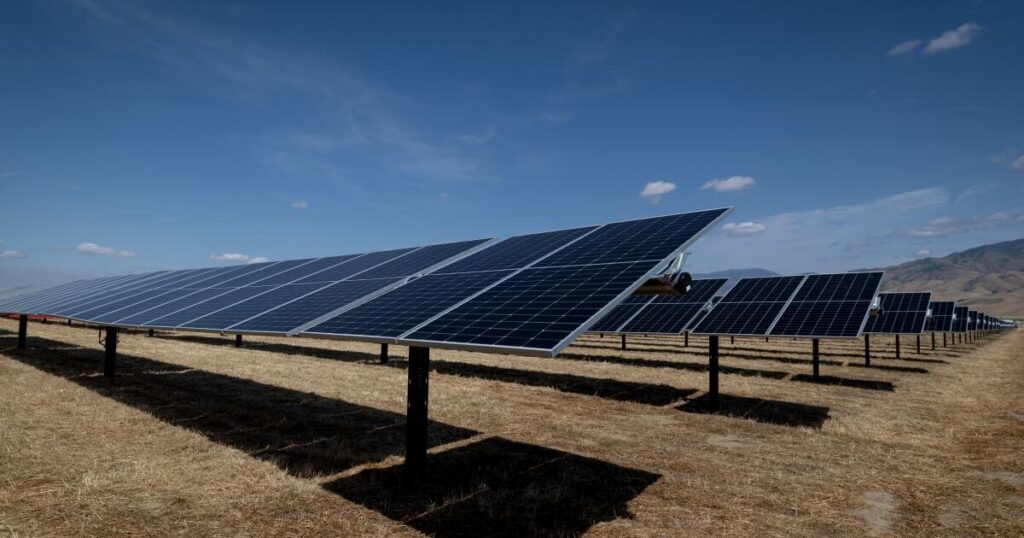
In a groundbreaking achievement, California has managed to generate over half of its electricity from solar power during the month of May, marking what is believed to be a global first. This milestone was highlighted by an analysis of federal data.
“California has had a wealth of solar growth in the last five years,” commented Abby Lestina, an analyst at Grid Status, a group monitoring electricity supply and demand in U.S. power markets, though not involved in the analysis. “It makes sense that they would reach this goal.”
This achievement represents the first instance where a large-scale power system has surpassed the 50% solar threshold for an entire month. It also follows another significant record for the state—during the first five months of 2026, solar energy production outpaced that of natural gas, traditionally the dominant electricity source. According to the U.S. Energy Information Administration, this year might be the first where solar energy leads California’s power mix.
California’s trend towards increased solar energy has been ongoing for years, but the recent expansion of battery storage has enabled the state to store surplus solar power and utilize it after sunset. Nicolas Fulghum of Ember, the organization behind the analysis, stated, “Batteries now shift huge amounts of solar power from midday into the evening peak, which is what allows this level of solar penetration in the system.”
Since 2020, California’s battery storage capacity has risen from 500 megawatts to 16,000 megawatts, while solar power generation has more than doubled. The state has developed extensive solar farms and incentivized rooftop installations, resulting in approximately 23,400 megawatts of utility-scale solar capacity by 2026, second only to Texas. Including small-scale solar panels, California boasts about 43,500 megawatts, surpassing all other states.
“Because we are increasing the share of solar/renewables on the grid each year, while also increasing the amount of battery storage, we will continue to see these records each Spring as supply surges,” stated Jayme Ackemann, spokesperson for California’s grid operator.
Despite challenges, California’s energy transition continues, contrasting with China’s massive solar buildout. Although China installed seven times more solar power last year than California’s total capacity, California’s electricity emissions are declining, unlike China’s.
Ember, based in the U.K., promotes renewable energy and sourced its data from the U.S. EIA’s monthly power reports. Their analysis only includes energy produced within California, excluding imports from states like Arizona. The solar generation figures encompass both utility-scale and rooftop solar.
May was an ideal month for this record due to moderate temperatures, reducing demand and allowing solar power to meet a significant portion of energy needs. Additionally, the SunZia wind project in New Mexico began supplying electricity to California in April, decreasing reliance on natural gas at night. Fulghum noted that this contributed to solar’s increased share in California’s energy mix.
Currently, with rising summer temperatures, Californians are using more natural gas, a typical trend. “Natural gas is the grid operator’s generation that will step in when demand starts to rise,” Lestina explained. “You see a big jump in natural gas as a percentage of the fuel mix this year starting on July 12, which is when temperatures started to pick up in the West.”
Overall, California is producing more clean electricity, with natural gas usage, which contributes to pollution and climate change, on the decline in recent years. Under legislation signed in 2018, the state aims for all electricity to be sourced from clean energy by 2045. “Natural gas will continue to fluctuate as a response to grid conditions until we have replaced that with dispatchable resource,” noted Ackemann.
Original Story at www.latimes.com