U.S. Energy Sector Faces Workforce Expansion Challenge
As the U.S. energy sector braces for significant growth, the question arises: who will power the future? The Center for Energy Workforce Development (CEWD) estimates a staggering addition of 32 million jobs in the energy sector over the next decade. Yet, building a robust talent pipeline is proving to be a formidable challenge.
In response, CEWD has initiated two regional coalitions to tackle these workforce needs: the Ohio Energy Workforce Consortium (OEWC) and the Northeast Energy Workforce Consortium (NEWC). These coalitions are backed by major local utilities and energy companies such as AEP, National Grid, and others, aiming to foster collaboration and awareness about workforce opportunities.
Consortium members are tasked with rallying educators, workforce systems, and community organizations to address the demand for critical roles in supporting the energy infrastructure. “We focus on national workforce solutions that can support local action and implementation,” CEWD executive director Missy Henriksen shared with Factor This.
The Reach of CEWD
CEWD’s influence spans over 20 states, where it aims to coordinate efforts among various stakeholders to develop the necessary talent for state and regional grid systems. Henriksen notes, “There is no single recipe for success, but committed stakeholders focused on sector-wide solutions are a common ingredient in all consortia.”
Ohio’s Energy Workforce Landscape
Ohio, with 332,125 energy workers reported in 2024, represents a significant portion of the national energy workforce. The state’s energy sector is experiencing growth in various areas, including substantial investments in transmission and infrastructure. The OEWC is pivotal in aligning Ohio’s energy employers and workforce partners to meet these expanding demands.
“The OHEWC will provide the boots on the ground needed for action and implementation within the states,” Henriksen emphasized.
Ambitious Goals for the Northeast
The NEWC is addressing similar workforce needs in the Northeast, including states like New York and Massachusetts. Celeste Schneider of National Grid highlighted the importance of industry collaboration to enhance training and education programs, aiming to create a robust energy workforce ecosystem.
NYPA’s Daniella Piper added, “By working together, we are ensuring that every region has a pipeline of diverse, skilled workers to draw from to ensure our energy system is safe, reliable, and affordable.”
Roles in Demand
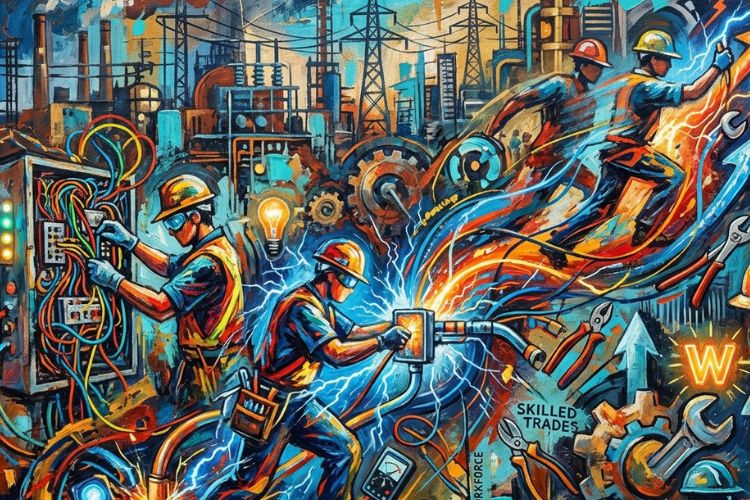
Henrisken and the CEWD identify skilled trades, engineering positions, and roles in manufacturing and construction as highly sought after. The energy sector offers lucrative career opportunities characterized by strong compensation and meaningful work. For more information, CEWD’s Get Into Energy site provides valuable resources for students and career explorers.
Original Story at www.renewableenergyworld.com