Choosing Between Electric Vehicles and Plug-In Hybrids: What Fits Your Lifestyle?
As the automotive world evolves, prospective car buyers are faced with a pivotal question: should they invest in an electric vehicle (EV) or opt for a plug-in hybrid? With a growing array of models hitting the market, this decision is becoming increasingly nuanced.
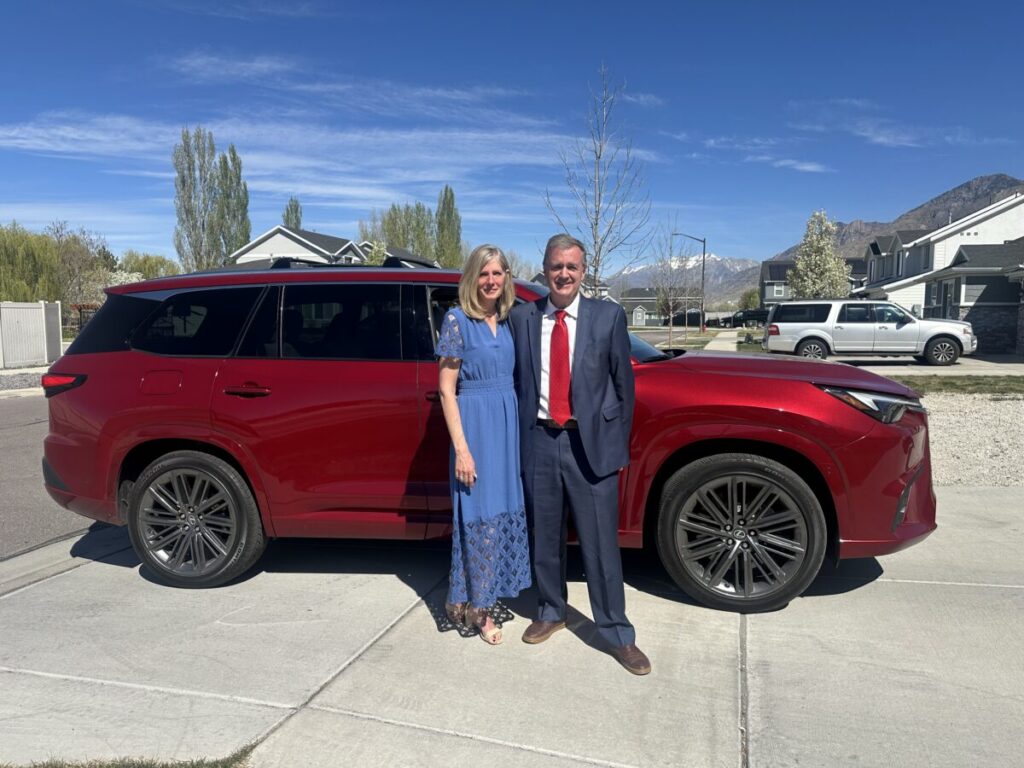
Recent experiences with the all-electric 2026 Hyundai Ioniq 9 Calligraphy and 2026 Tesla Model Y, alongside the plug-in hybrid 2026 Lexus TX 550h+ and Toyota Prius Plug-in Hybrid Nightshade Edition, underscore that both options have unique advantages. Each of these vehicles has been tested extensively in various everyday scenarios, from commuting and errands to trips through Utah and the Rocky Mountains.
One thing became clear: electric power significantly transforms the driving experience. Whether behind the wheel of a Tesla, Hyundai, Lexus, or Toyota, the quiet, vibration-free, and immediate acceleration of electric motors is quickly becoming the new standard for many drivers.
Craig Conover, Daily Herald
Deanne Conover gets acquainted with the 2026 Tesla Model Y in Deep Blue Metallic. The weekend test drive offered a firsthand look at how Tesla’s minimalist design and cutting-edge technology are redefining the daily commute.
While all these vehicles excel in everyday driving, the distinction becomes apparent during longer journeys. The Hyundai Ioniq 9, for example, was tested on a road trip from Denver through the Rocky Mountains, highlighting the ease of long-distance EV travel, especially with access to the Tesla Supercharger network. Charging was straightforward, with stops generally lasting 25 to 30 minutes, providing ample time for a break.
However, environmental factors like strong winds can still impact EV range, as experienced between Grand Junction and Green River. Such conditions necessitate extra charging stops, reminding drivers of the need for careful trip planning.
Craig Conover, Daily Herald
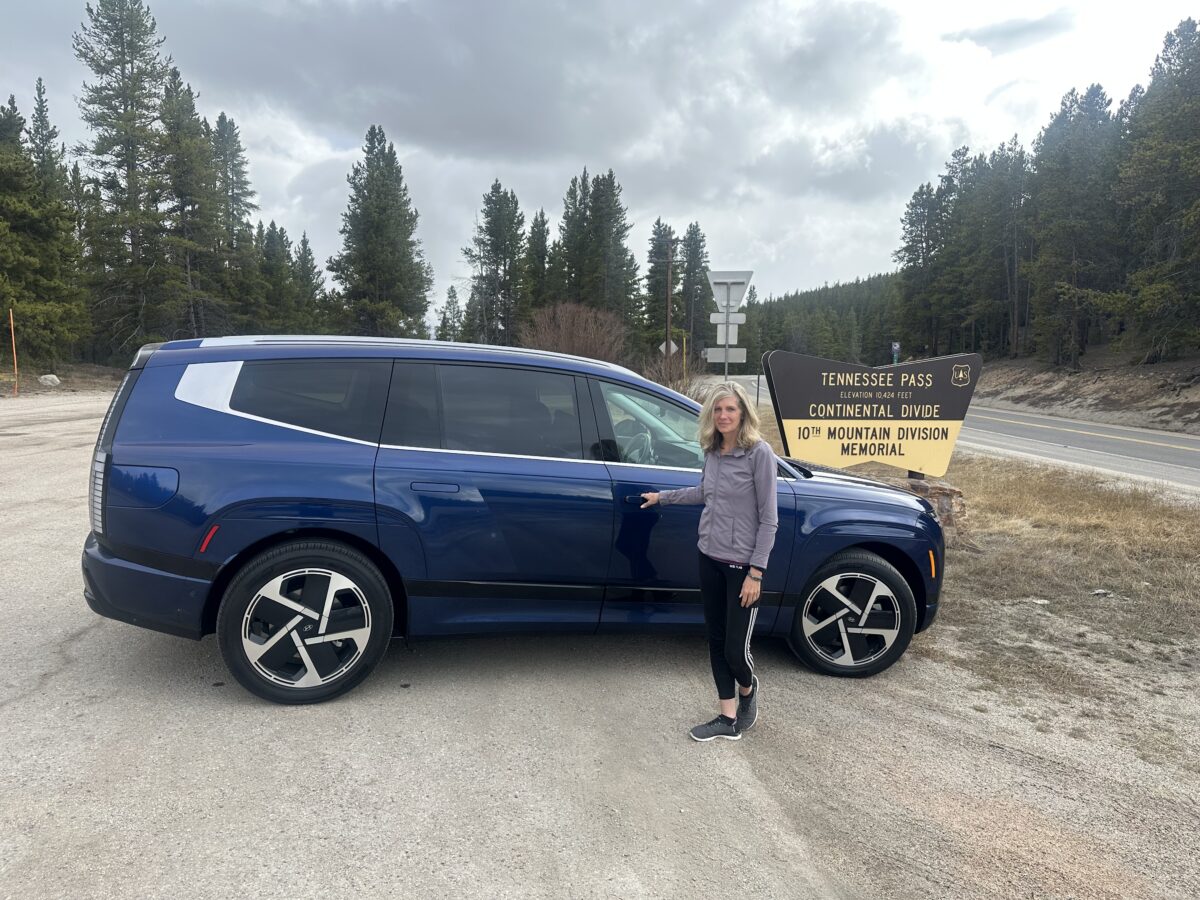
Reaching the Continental Divide at Tennessee Pass, elevation 10,424 feet, we had to snap a photo for just being there. The Ioniq 9 handled the steep mountain grades with ease, using its instant electric torque for the climb and its regenerative braking to recoup energy on the long descent toward the Western Slope.
The Tesla Model Y further demonstrates the advantages of electric vehicles, primarily due to its robust charging infrastructure and emerging Full Self-Driving capabilities. The Supercharger network simplifies long-distance travel, and the vehicle’s technology showcases the future of autonomous driving, although it still requires an attentive driver.
Conversely, the flexibility of plug-in hybrids like the Lexus TX 550h+ and Toyota Prius Plug-in Hybrid cannot be overlooked. These vehicles seamlessly transition between electric and gasoline power, often completing daily trips using electricity alone. The Prius, for example, offers about 41 miles of electric range, while the Lexus TX provides roughly 43 miles, making them practical for everyday use without frequent fuel stops.
Craig Conover, Daily Herald
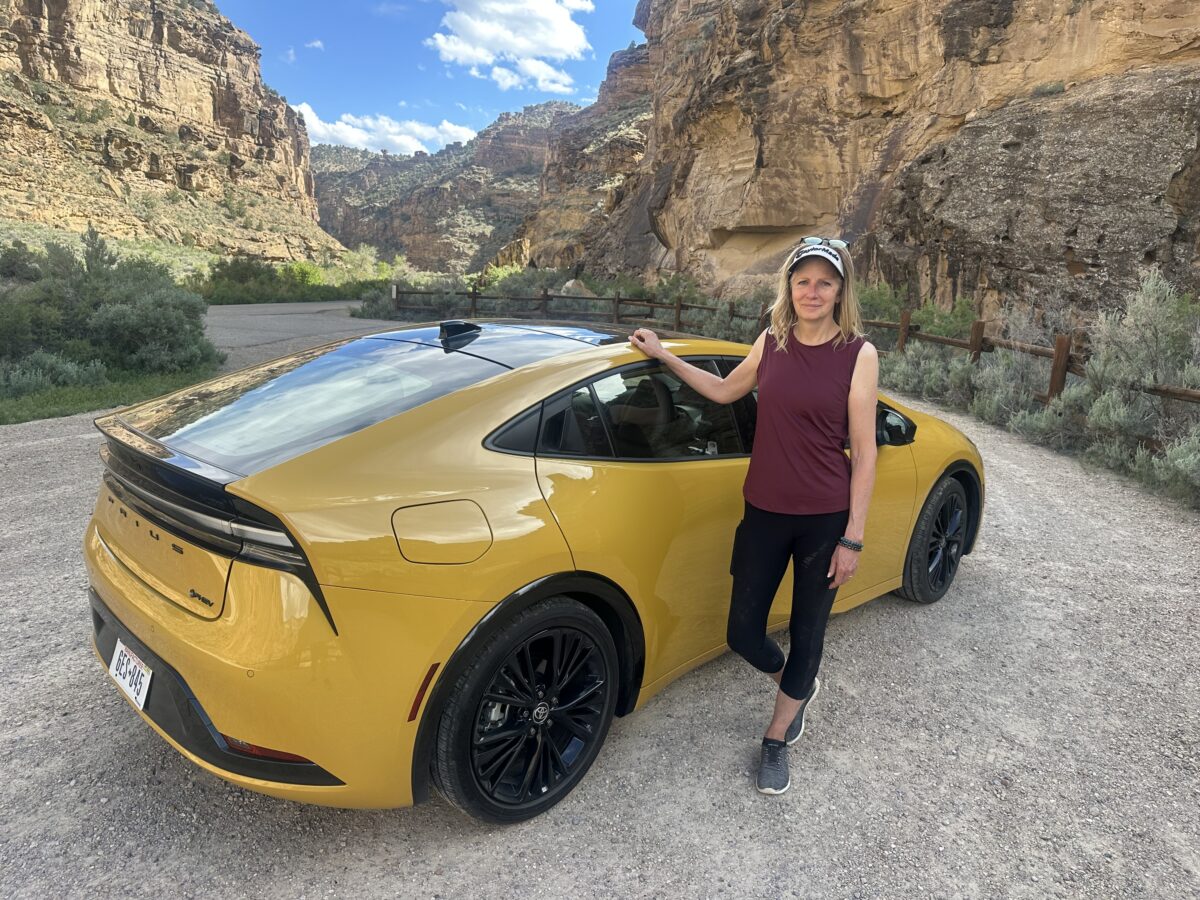
Deanne Conover stands with the 2026 Toyota Prius Plug-in Hybrid Nightshade Edition amidst the towering rock walls of Indian Canyon. The bold, eye-catching Karashi Yellow paint finish perfectly contrasted with the rugged eastern Utah landscape during our Saturday road trip.
For families or individuals who value spontaneity and often travel to areas with limited charging infrastructure, plug-in hybrids offer a compelling solution. The Lexus TX, for instance, maintained an impressive 46 mpg during a week of typical family use, emphasizing the practicality of this technology.
Ultimately, the choice between an electric vehicle and a plug-in hybrid hinges on personal driving habits and lifestyle. EVs promise quiet rides, rapid acceleration, and the elimination of gasoline, with home charging adding convenience for daily use. However, they require more planning for longer trips. Plug-in hybrids, in contrast, offer the flexibility of electric driving with the reassurance of gasoline for extended travel, without the need for meticulous route planning.
The evolution of electrified transportation has reached a point where the decision is less about compromise and more about preference. Both options provide significant fuel savings, quieter rides, and reduced emissions, allowing buyers to choose based on what best fits their living and driving patterns.
Original Story at www.heraldextra.com