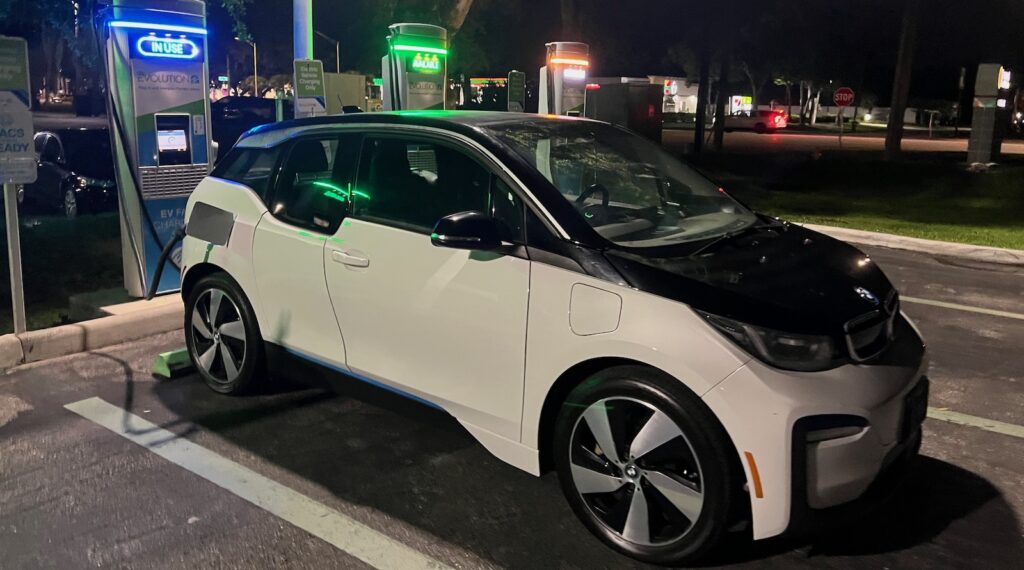
Rethinking EV Charging: Moving Beyond the Gas Station Paradigm
As electric vehicles (EVs) gain popularity, the focus on fast charging continues to dominate industry discussions. This emphasis on replicating the speed of refueling traditional gas vehicles is leading many to overlook a fundamental advantage of EVs: the ability to charge during daily activities.
The Problem with Using Gas Stations as a Benchmark
For decades, the convenience of refueling has been measured by time spent at the pump. This has set the gas station model as the benchmark for energy acquisition. Consequently, much of the current dialogue around EVs aims to make charging as quick as refueling. However, this approach assumes that the gas station experience is the ideal to strive for.
Gas stations address a particular need created by internal combustion engines, necessitating dedicated trips solely for refueling. EVs, by contrast, can charge while parked during various daily activities.
The Unique Value Proposition of Electric Vehicles
Electric vehicles have the inherent ability to charge during other activities. For instance, an EV parked at work can charge over the course of the day, and a trip to the grocery store can double as a charging opportunity. Overnight stays at hotels or even just parking at home can keep an EV ready for use without special trips.
This functionality is often undervalued in the fast-charging debate, where the focus is on making charging mimic refueling. The real potential lies in eliminating the need for dedicated trips to refuel altogether, allowing charging to integrate seamlessly into daily life.
Charging as an Amenity: A New Perspective
The potential for EV charging extends beyond transportation infrastructure and into real estate value. Unlike gas stations, which serve a purpose only during a brief refueling session, EV chargers can enhance a property’s value by offering convenience and attracting business.
For example, a hotel that provides charging stations could become more appealing to EV drivers. Similarly, office buildings with charging facilities may attract more tenants. Retail locations with chargers can encourage longer visits from customers, and apartment complexes offering reliable charging may stand out in the housing market.
Thus, charging stations are not just about providing electricity; they are about enhancing the overall utility and value of the property they are installed on.
The Future of EV Adoption
While faster charging is not irrelevant, especially for long-distance travel and commercial fleets, it should not define the entire strategy for EV adoption. Most vehicles spend the majority of their time parked, and this is where most charging should ideally occur.
The companies that will lead the next wave of electrification will focus on embedding charging into the places where vehicles naturally spend time, such as offices, retail centers, and residential areas. This integration will make charging a part of everyday life rather than a separate task.
Re-evaluating the Gas Station Model
The gas station, initially a workaround for internal combustion vehicles, should not be the standard for EV charging. The challenge is not to replicate the gas station model but to question its relevance altogether.
Electrification offers an alternative that could render the traditional refueling trip obsolete, yet the industry often remains focused on perfecting this workaround.
Ultimately, the goal should be to make EV charging a seamless part of daily life, rather than an effort to replicate the gas station model.
Original Story at cleantechnica.com