Offshore oil, gas, and liquefied natural gas development is increasingly encroaching on ecologically significant marine habitats, from Kenya’s coral reefs to the Caribbean’s seagrass meadows and Arctic whale migration corridors, according to a new analysis.
Research by Earth Insight, a nonprofit mapping industrial threats to ecosystems, reveals that many planned and active offshore oil and gas projects overlap with areas intended to protect critical ecosystems.
Over 25% of marine and coastal protected areas in 11 countries are at risk from oil and gas development, along with 40% of coral reefs and nearly one-third of mangrove forests. Additionally, half the areas used by whales and marine mammals for migration, feeding, and breeding also coincide with government-designated oil and gas blocks.
“The scale of fossil fuel expansion threatening ocean health is alarming,” said Tyson Miller, executive director of Earth Insight. The organization collaborated with other civil groups to produce the report, Fossil Fuel Threats to the Ocean: Marine Life and Coastal Communities at Risk.
The fossil fuel industry’s pursuit of offshore prospects is growing, noted Bruna Campos from the Center for International Environmental Law. Resistance to new terrestrial drilling, particularly on Indigenous lands, and technological advances have made deeper waters more accessible for development.
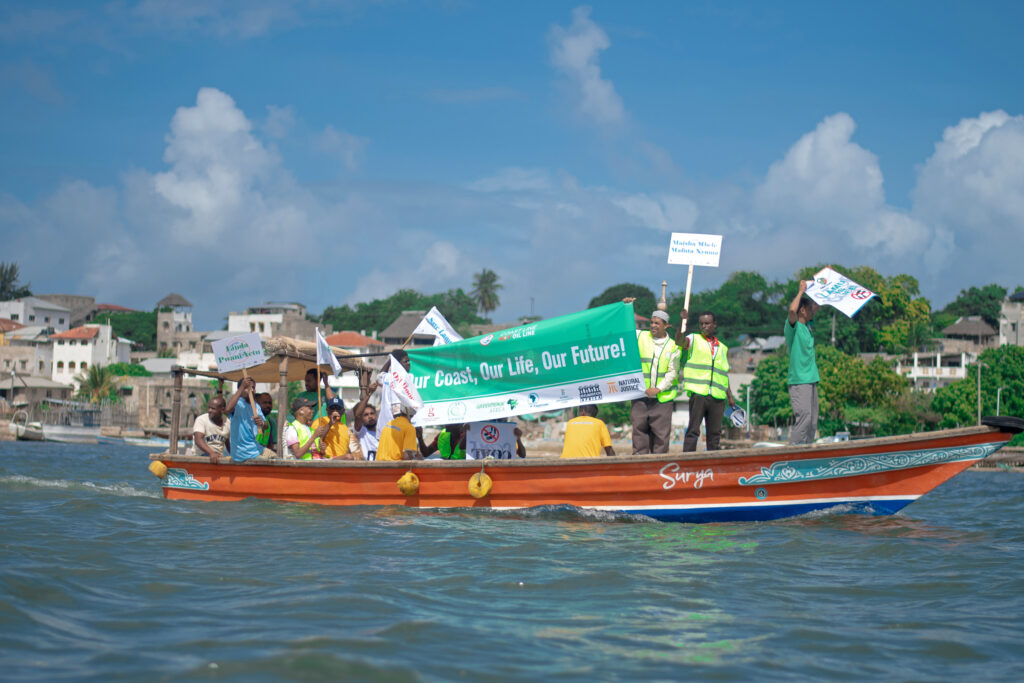
Offshore areas of interest are crucial to coastal and Indigenous communities relying on them for food, livelihoods, and cultural practices. In Kenya, for example, proposed offshore oil and gas blocks cover all coastal coral reefs, mangroves, and marine protected areas, especially in the Lamu Basin, a key fishing ground.
“Kenya is preparing to open ecologically sensitive areas for fossil fuel exploration,” said Muturi wa Kamau from the Kenya Oil and Gas Working Group. “At what cost are we willing to risk these fragile ecosystems and livelihoods?”
In Alaska, Indigenous communities depending on hunting and fishing could be impacted by a proposed 800-mile liquefied natural gas pipeline from the Arctic’s North Slope to Cook Inlet. If approved, the project could threaten salmon fisheries and disrupt cultural traditions.
The project could also jeopardize the endangered Cook Inlet beluga whale by increasing large-vessel traffic through the inlet by 40 to 70%, adding underwater noise that could hinder the whales’ ability to communicate and find food.
“Current traffic in Cook Inlet already exceeds beluga whale harassment thresholds,” said Ben Boettger from Cook Inletkeeper. “If completed, the Alaska LNG pipeline would further threaten these critically endangered whales.”
Underwater noise and increased ship strike risks emerge as recurring threats to marine mammals across several regions. Proposed LNG tanker routes in Mexico’s Gulf of California would pass through habitats of endangered species like the blue whale and vaquita porpoise. Offshore activities could also impact whales in Norway, Australia, and Argentina.
To mitigate these impacts, the report advises halting extractive activities in marine protected areas and stopping new offshore projects in biodiversity hotspots.
As nearly 200 countries aim to protect 30% of the world’s land and oceans by 2030 under the Kunming-Montreal Global Biodiversity Framework, governments have the opportunity to enhance marine protections and limit offshore development.
“Protecting 30% of the ocean by 2030 offers a chance to restrict fossil fuel activities and safeguard marine protected areas, whale corridors, and vital ecosystems,” Miller stated.
Original Story at insideclimatenews.org