Frustration and Stalemate Mark Climate Negotiations as UN Chief Criticizes Inaction
The recent climate talks in Bonn wrapped up amid a cloud of frustration and disappointment. Over two weeks of negotiations, deeply divided by disputes over financial commitments and scientific directives, ended without a consensus, drawing sharp criticism from the UN’s climate chief. The inability to make progress highlights the ongoing struggle between developing nations seeking financial support and wealthier countries aiming to enhance emission cut efforts.
Simon Stiell, leading the UN climate body, shared his concerns as the talks concluded, issuing a statement condemning the attitude of “you-first-ism” that pervaded the discussions. “In some negotiating rooms, we’ve heard a familiar tendency towards you-first-ism – groups refusing to deliver commitments or allow the process to move forward unless others go first,” Stiell remarked, emphasizing that this approach halts progress when swift action is crucial.
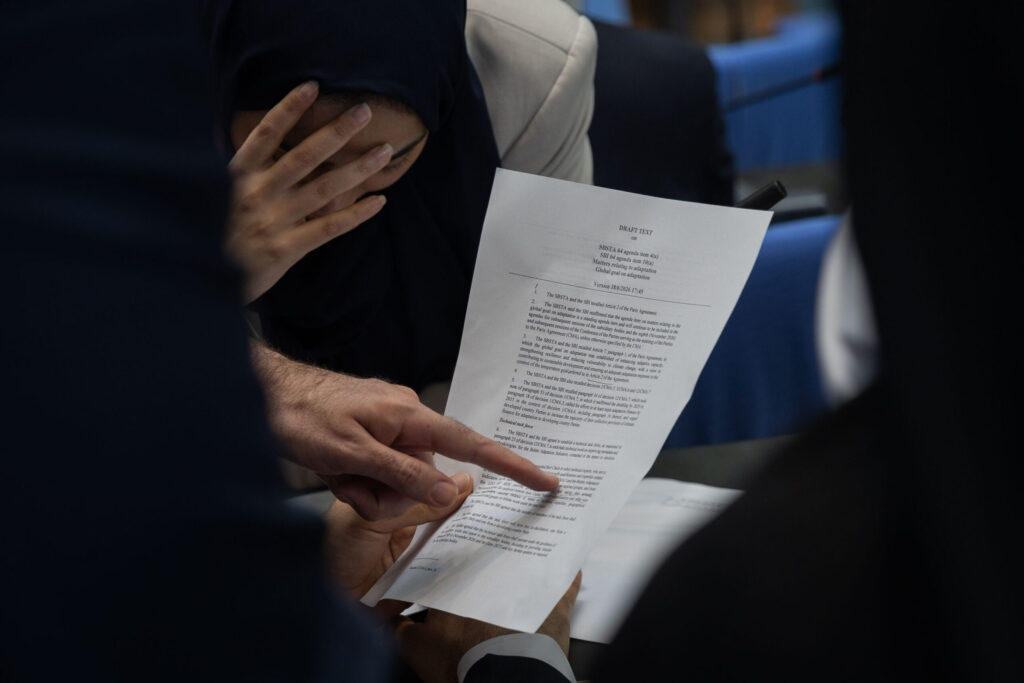
The discussions ended in a stalemate, with no resolutions reached on key climate action areas, including adaptation and mitigation. This deadlock invokes “Rule 16,” pushing these issues to be revisited at COP31 in Türkiye in November.
Challenges in Emission Reduction and Global Adaptation Goals
The mitigation work program, intended to accelerate emission reductions, faced significant setbacks. Resistance, particularly from nations reliant on fossil fuels, has stymied efforts to establish a unified approach since its inception at COP27. Despite the widespread disappointment, China pointed out some areas of common ground that could be built upon at COP31, asserting that “no one is against mitigation implementation and ambition.”
Meanwhile, the lack of progress on adaptation efforts has caused particular frustration among small island states and developing countries. The technical work needed to implement adaptation indicators agreed upon at COP30 in Brazil remains stalled, eroding trust among nations. Fiji’s delegate emphasized the critical nature of adaptation, describing it as a “daily burden” tied to essential issues like water and food security, and sometimes requiring relocation.
Science and Policy Under Pressure
Throughout the talks, tensions flared over the integrity of climate science. A coalition of European and climate-vulnerable countries accused fossil fuel interests of orchestrating “coordinated attacks” on scientific findings, particularly concerning the Paris Agreement’s 1.5C warming limit.
Simon Stiell urged COP31 co-presidencies from Türkiye and Australia to expedite ministerial engagement on the toughest issues, to ensure well-prepared negotiations. Alden Meyer, a senior associate for climate diplomacy, criticized the overall lack of urgency, noting the pressing global crises of climate impacts and rising energy and food prices.
Potential Progress in Electrification and Just Transition
Despite the setbacks, some positive developments emerged from the Bonn talks. A new electrification goal, introduced by Türkiye as part of the Global Climate Action Agenda, aims to increase electricity’s share in final energy consumption from 20% today to 35% by 2035. This ambitious target focuses on adopting technologies like heat pumps and electric vehicles.
Furthermore, the talks saw advancements in the just transition agenda, achieving consensus on reviewing the just transition work program (JTWP) and outlining options for a new mechanism to support just transition initiatives. Anabella Rosemberg from Climate Action Network International highlighted the importance of continued work to finalize an agreement by COP31, emphasizing the role of civil society in advocating for just transition.
Original Story at www.climatechangenews.com