Challenging Conditions Threaten Kansas’s Wheat Harvest
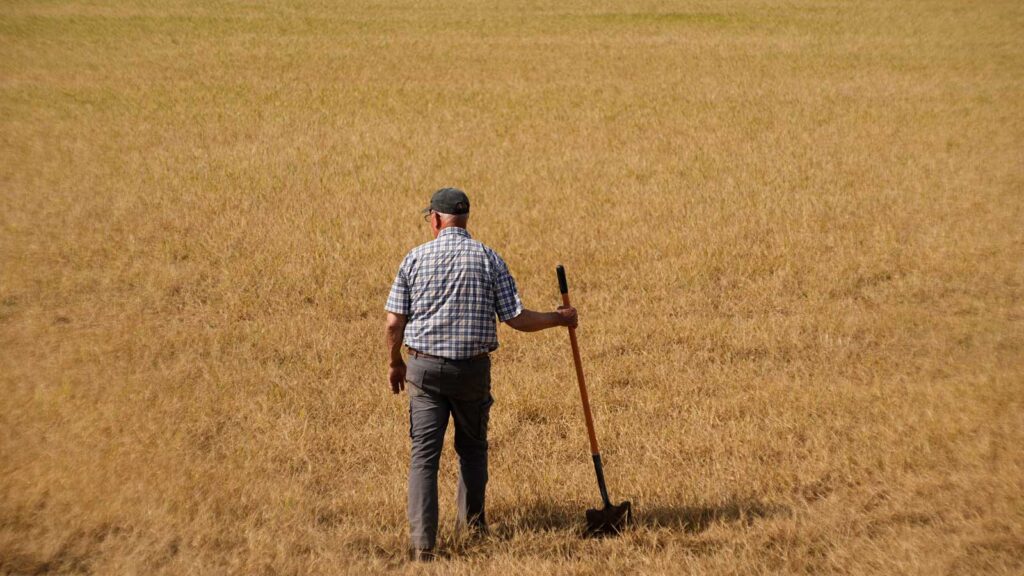
In Montezuma, Kansas, a legacy of successful wheat farming is at risk as Orville Williams faces one of the most difficult years of his farming career. Despite overcoming economic hurdles and droughts in the past, the current season poses a unique challenge.
“All in all, it’s not going to be a good year,” said the 76-year-old farmer, reflecting on the harsh realities impacting his 2,600-acre farm.
A record-setting drought coupled with unusually high temperatures have led to a severe decline in wheat production across the U.S., particularly affecting the Plains region. These conditions have exacerbated the spread of damaging viruses like the wheat streak mosaic virus and barley yellow dwarf virus. Rising costs for essential inputs such as fertilizers, diesel fuel, and tariffs have compounded the difficulties faced by wheat farmers.
“It’s kind of a double whammy,” Williams commented, underscoring the dual pressures of environmental and economic challenges.
The U.S. Department of Agriculture forecasts the smallest wheat crop since 1972, with production expected to fall to 1.56 billion bushels this year, a 21% decrease from 2025. Kansas, a leading wheat producer, is particularly impacted, with 58% of its crop rated as “poor” or “very poor” as of May 17.
Romulo Lolloto, a Kansas State agronomist, highlights the broader implications for consumers, noting potential increases in bread prices and a loss of international market share for U.S. wheat.
Facing such dire conditions, many farmers are turning to crop insurance or exploring alternative crops, though these options come with their own challenges. Williams, who had nearly 100 bushels per acre in irrigated fields last year, anticipates only 30 to 40 this season, with dryland yields expected to be even lower.
Economic Pressures and Climatic Extremes
The financial strain on farmers is further exacerbated by rising operational costs. Williams travels up to 200 miles daily, with diesel prices soaring nearly $2 per gallon since last year. Fertilizer costs have also surged; Mike Nickelson, another Kansas farmer, reports that the price of urea has jumped from $400 to as much as $700 per ton.
Brad Rippey, USDA meteorologist, points out a declining trend in wheat production in the Great Plains, influenced by both weather challenges and competitive pressures from global markets. Despite these issues, wheat remains a crucial crop for the U.S., ranking third in terms of planted acreage and production.
As climatic unpredictability accelerates plant growth, the harvest quality is at risk. In Kansas, 86% of wheat crops had produced a seed head by early May, compared to a historical average of 61%, signaling potential quality concerns as crops mature prematurely.
This year, U.S. farmers planted only 32.4 million acres of wheat, with just 22 million harvested, leading to a significant abandonment rate of over 32%. Kansas alone sees 17% of its wheat crop abandoned this season.
“Rain makes grain,” Nickelson explains, highlighting the critical role of rainfall in successful farming. However, with forecasts predicting a substantial El Nino event, drought relief may be delayed, posing further challenges to farmers like Williams and Nickelson.
Limited Avenues for Recovery
Ben Palen, a fifth-generation farmer, describes the current situation as one of the most challenging he can recall. While crop insurance provides some reprieve, it falls short of covering all losses. Government bridge payments offer temporary relief, but larger systemic changes are needed to support farmers in the long term.
For many, the prospect of transitioning to different crops is hindered by insufficient soil moisture and timing. “This is probably about as challenging of a time to be a farmer that I can recollect,” Palen remarked, capturing the sentiment of many in the agricultural community.
Original Story at yaleclimateconnections.org