SANTA PAULA, Calif. — Upon returning home from a hardware store run, Ethan Higbee did not initially notice anything amiss as he parked his van. However, stepping out, he was overwhelmed by the smell of gas.
“I heard what sounded like rushing water, but it was oil,” Higbee stated six months after crude oil coursed through a nearby waterway.
The oil spill, affecting three-quarters of a mile of a Sisar Creek tributary, originated from an above-ground storage tank near Higbee’s Santa Paula home. State crews identified the breach source as Oil from the tank.
Higbee, sensing danger, dialed 911 and retreated indoors, fearing an explosion.
The incident, attributed to a tank overflow and improper valve management by Carbon California, was termed a “small crude oil spill” in a report by Inside Climate News.
An estimated 420 gallons spilled, though locals, including Higbee, suspect a larger volume.
Carbon California did not provide comments despite several inquiries.
In December, state authorities issued a “notice of violation” to the company, indicating potential enforcement actions. Email exchanges revealed the initial malfunction was corrected, but ongoing measures remain unspecified.
The Department of Fish and Wildlife acknowledged the spill estimate in a joint release, stating that the 420-gallon figure was consistent throughout the response, which concluded on Dec. 9. However, the investigation’s final spill assessment is pending.
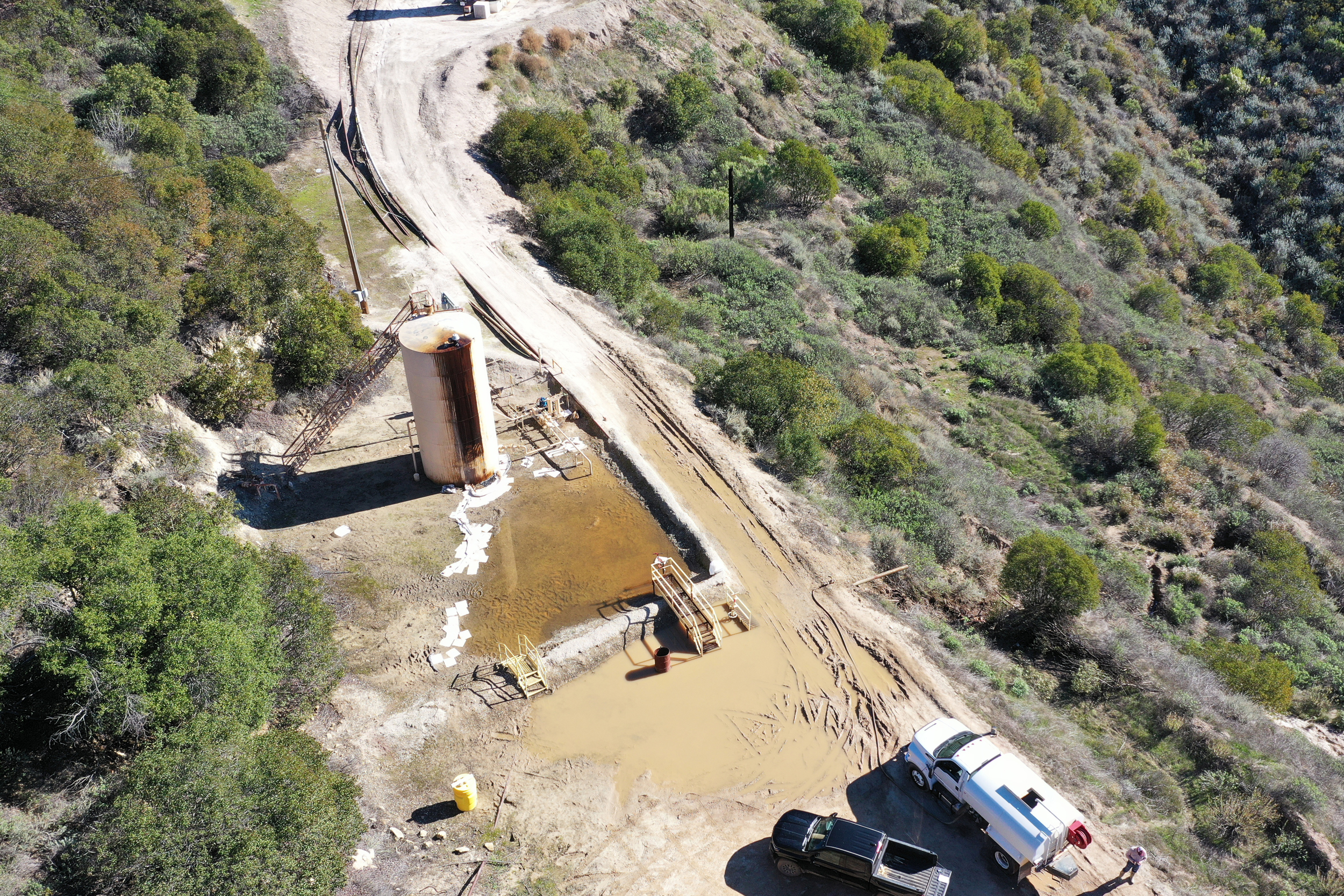
Eric Laughlin from the Department of Fish and Wildlife confirmed an investigation report was submitted to the Ventura County District Attorney, but further comment is restricted due to the pending case.
No wildlife was impacted, according to a January incident report by Carbon California.
No adverse health effects have been reported among residents near the spill site, but concerns remain high.
A group, “Neighbors of Santa Paula Canyon,” has formed to address community issues arising from the spill.
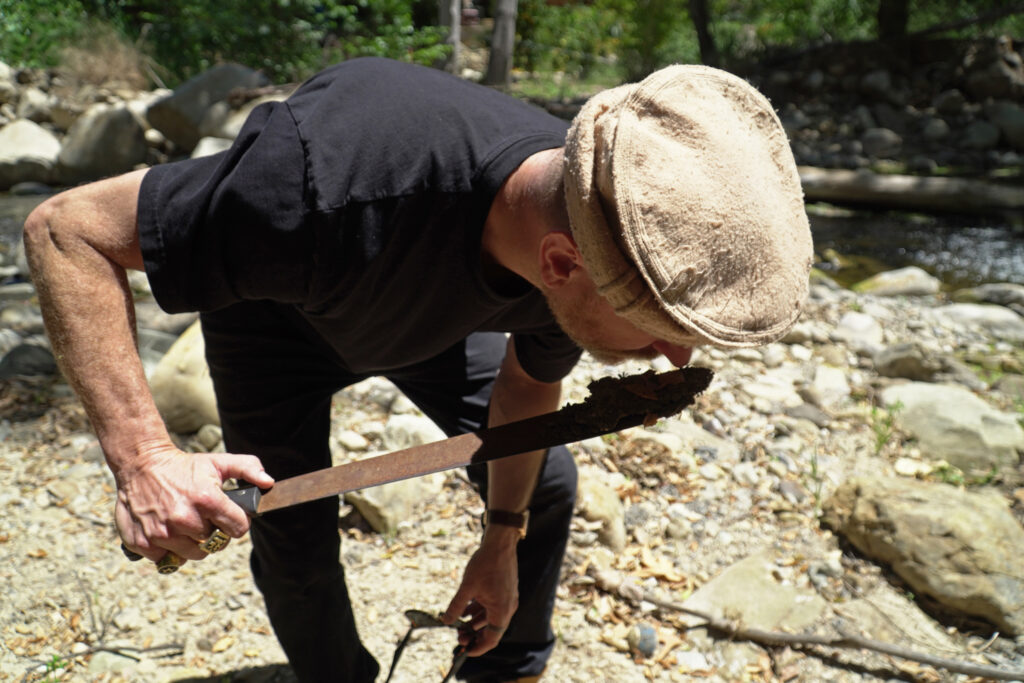
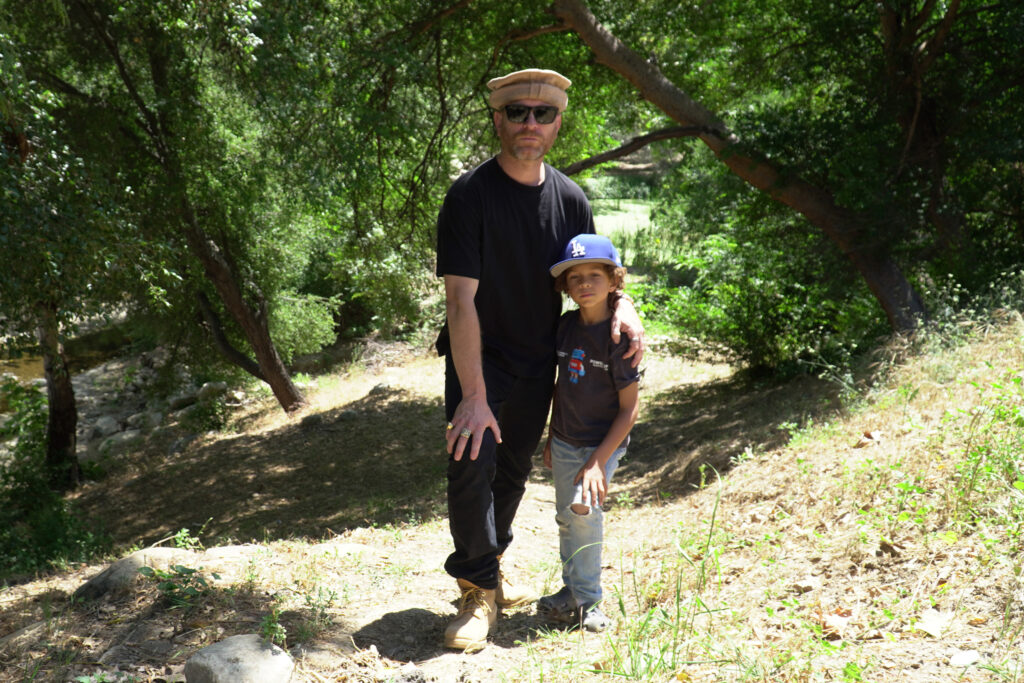
Six months later, Higbee, with a machete, examined his property for oil remnants, finding stains on rocks and in the soil.
“Another Acute Example”
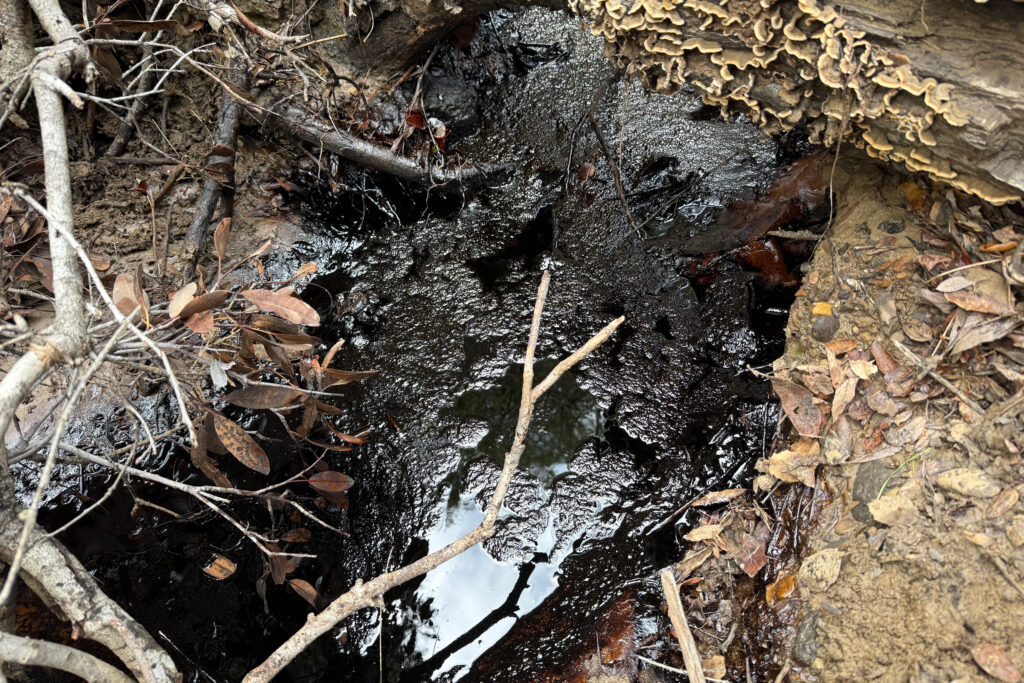
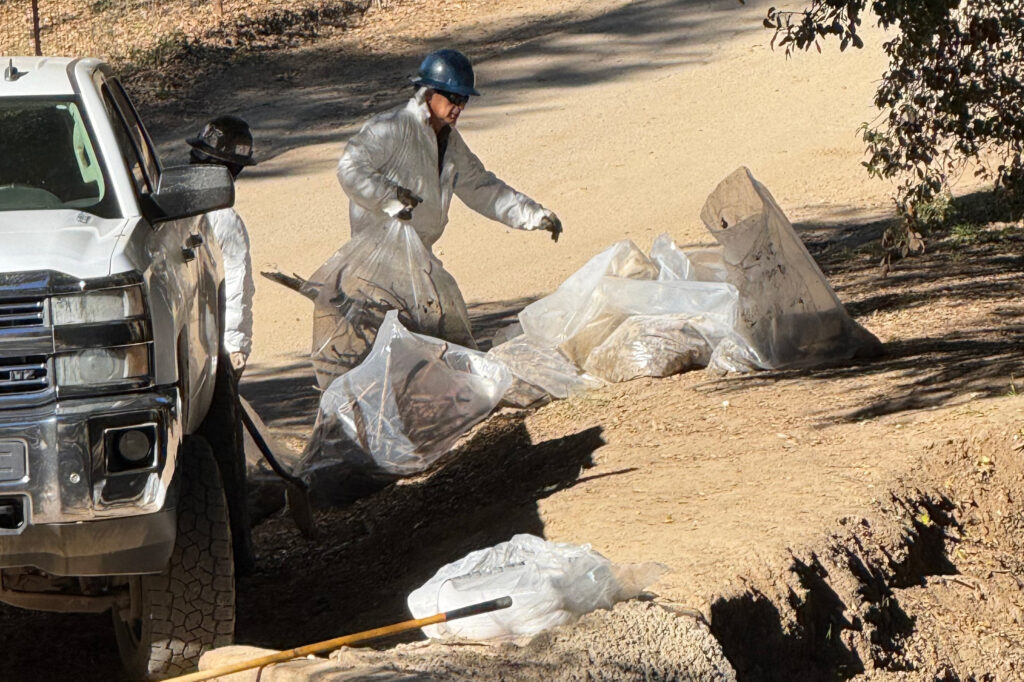
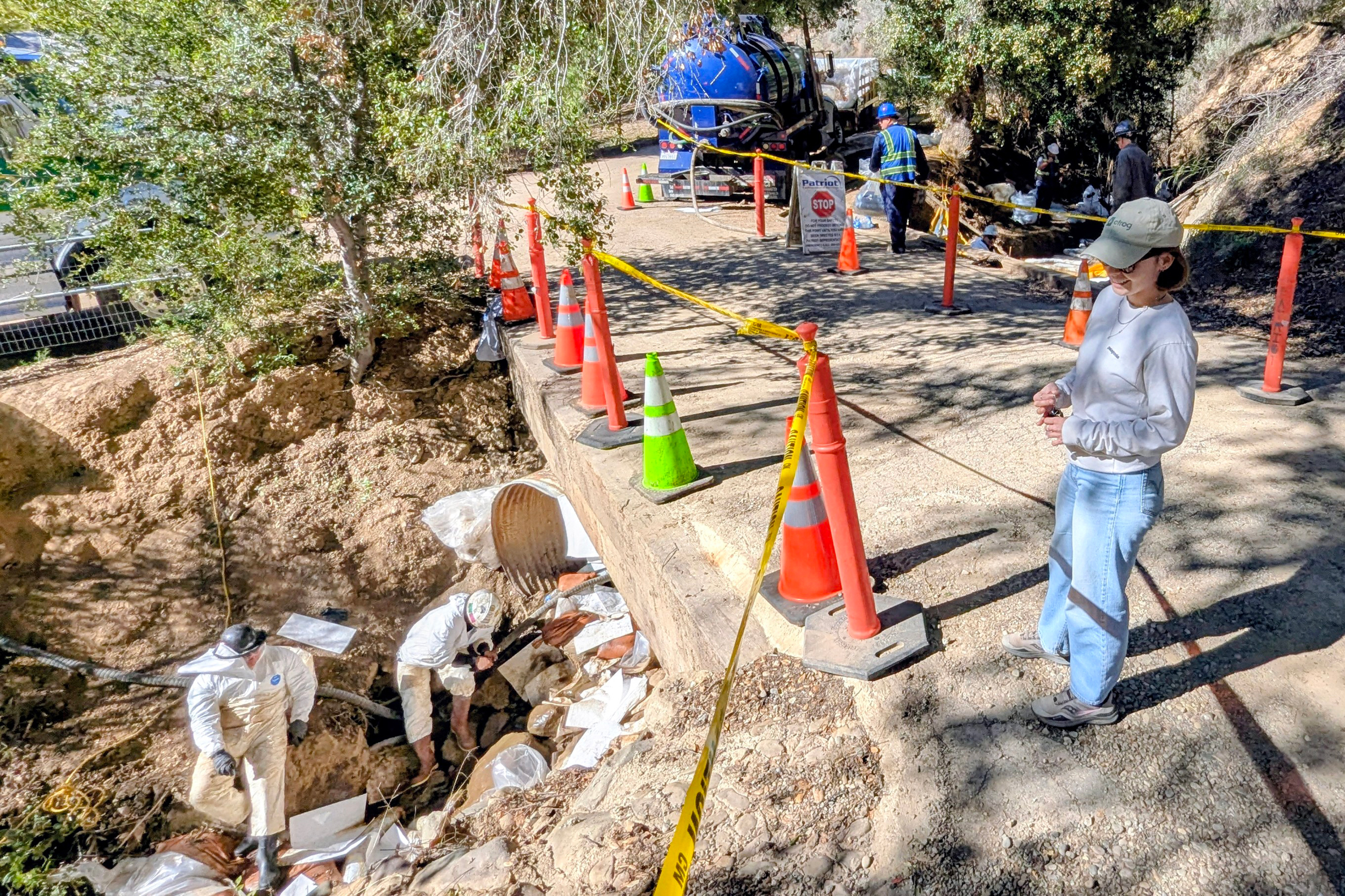
Photos and videos depict the chaotic oil spill response, with crews in protective gear and contaminated water clearly visible.
Haley Ehlers, executive director of Climate First: Replacing Oil & Gas, noted the spill exemplifies the risks posed by the oil industry to community and environmental health.
Ehlers expressed concerns over the spill’s unreported initial response and emphasized ongoing community uncertainty about accountability and consequences.
More than 50 crude oil spills have occurred in California since October 2025, ranging from 210 to 22,000 gallons, according to Center for Biological Diversity.
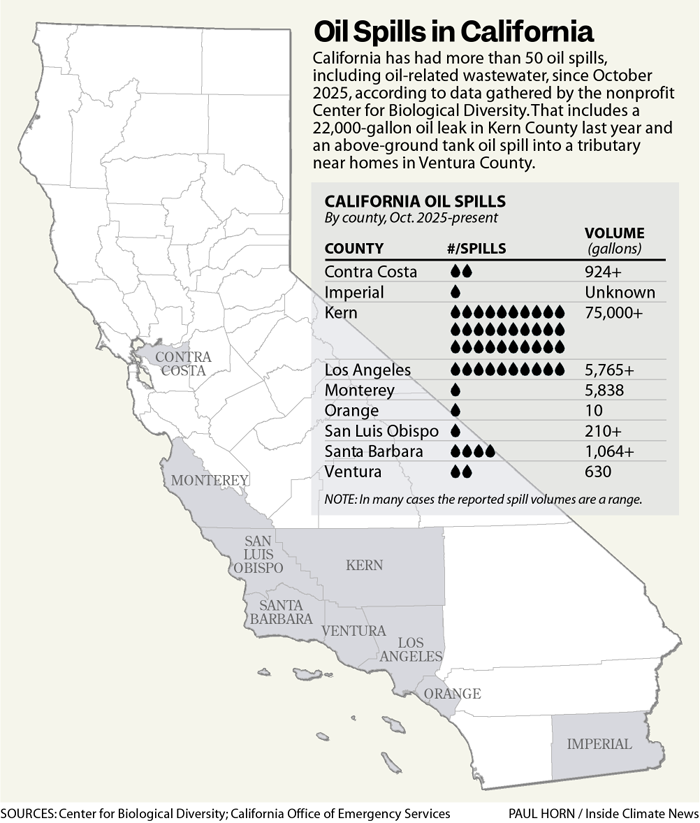
Recently, a pipeline ruptured in East Los Angeles and a storage tank in Kern County released significant amounts of oil-related wastewater.
Exposure to oil spills can cause respiratory, eye, and skin issues, with potential chronic effects described in studies by researchers and health experts.
Jill Johnston from the University of California, Irvine, highlighted the proximity of millions of Californians to oil developments, particularly in Kern, Ventura, and Santa Barbara counties.
In 2025, Ventura County accounted for 4.2% of California’s oil production, with most occurring in Kern County.
The EPA is still investigating the recent Ventura County spill, attributed to rain-induced overflow of a separation tank.
Ongoing concerns focus on the lack of accountability and the future of the spill site, given recent state approvals for continued oil activities.
Original Story at insideclimatenews.org